Health
The Skin Condition Millions Live With in Silence

Health Points
- Psoriasis is a chronic autoimmune condition affecting over 7.5 million Americans, causing raised, scaly skin patches
- The condition can be managed through lifestyle changes, topical treatments, and newer biologic medications
- Early diagnosis and consistent treatment help prevent complications and improve quality of life
More than 7.5 million Americans wake up each day dealing with a condition that affects far more than their skin. Psoriasis, a chronic autoimmune disorder, causes the body’s immune system to mistakenly attack healthy skin cells, leading to painful, scaly patches that can appear anywhere on the body.
The condition doesn’t discriminate—it affects people of all ages, though it most commonly develops between ages 15 and 35. For those over 40, understanding psoriasis becomes increasingly important as the condition can develop later in life or worsen with age.
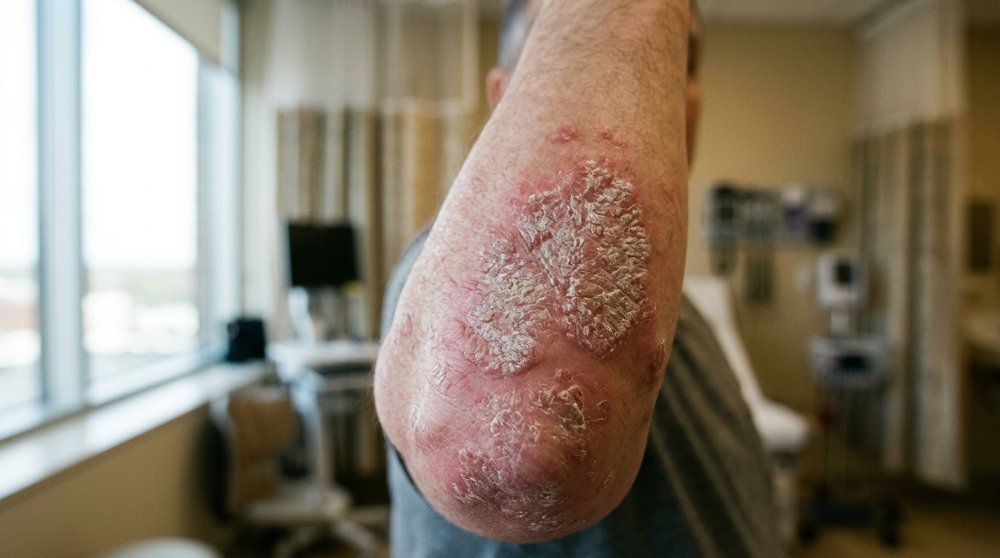
Psoriasis occurs when skin cells multiply up to 10 times faster than normal. As underlying cells reach the skin’s surface and die, their sheer volume causes raised, red patches covered with white scales. These patches can crack and bleed, causing significant discomfort beyond the visible symptoms.
The most common form, plaque psoriasis, accounts for about 80% of cases. It typically appears on the elbows, knees, scalp, and lower back. But the condition manifests in several other forms, including guttate psoriasis (small, drop-shaped spots), inverse psoriasis (smooth patches in skin folds), and pustular psoriasis (white pustules surrounded by red skin).
While the exact cause remains unknown, researchers have identified key risk factors. Genetics plays a significant role—having a family member with psoriasis increases your risk substantially. Stress, skin injuries, infections, and certain medications can trigger flare-ups in those predisposed to the condition.
The impact extends beyond physical symptoms. Many people with psoriasis experience emotional distress, self-consciousness, and social isolation. The visible nature of the condition can affect personal relationships and professional opportunities, making comprehensive care essential.
Treatment options have expanded significantly in recent years. For mild cases, topical treatments including corticosteroids, vitamin D analogues, and moisturizers can provide relief. Moderate to severe psoriasis may require phototherapy, where controlled exposure to ultraviolet light slows skin cell turnover.
Systemic medications, taken orally or by injection, work throughout the body to reduce inflammation. The newest class of medications, biologics, target specific parts of the immune system with remarkable precision. These treatments have transformed outcomes for many patients who didn’t respond to traditional therapies.
Lifestyle modifications complement medical treatments effectively. Maintaining a healthy weight reduces inflammation and may improve treatment response. Avoiding triggers like smoking, excessive alcohol consumption, and stress helps minimize flare-ups.
Regular moisturizing prevents the skin from becoming too dry, which can worsen symptoms. Taking lukewarm baths with added oils or salts, followed by immediate moisturizer application, provides additional relief. Gentle skin care routines that avoid harsh soaps and vigorous scrubbing protect vulnerable skin.
Diet may also play a role in managing psoriasis. Some patients report improvement when following an anti-inflammatory diet rich in fruits, vegetables, whole grains, and omega-3 fatty acids from fish. Limiting processed foods, red meat, and refined sugars may help reduce inflammation.
People with psoriasis face increased risk for other serious health conditions. Psoriatic arthritis develops in up to 30% of psoriasis patients, causing joint pain, stiffness, and swelling. The condition also correlates with higher rates of cardiovascular disease, diabetes, and metabolic syndrome.
Regular health screenings become crucial for anyone diagnosed with psoriasis. Monitoring blood pressure, cholesterol levels, and blood sugar helps catch related conditions early when they’re most treatable. Maintaining open communication with healthcare providers ensures comprehensive care that addresses both skin symptoms and overall health.
The psychological toll shouldn’t be underestimated or undertreated. Mental health support, whether through counseling, support groups, or stress management techniques, forms an essential component of comprehensive psoriasis care. Many patients find that addressing the emotional aspects of living with a visible chronic condition improves their overall well-being significantly.
Finding the right treatment often requires patience and persistence. What works for one person may not work for another, and treatments that initially show promise may lose effectiveness over time. Working closely with a dermatologist or healthcare provider to adjust treatment plans ensures optimal management.
Recent research continues to uncover new understanding about psoriasis and develop innovative treatments. Clinical trials offer access to cutting-edge therapies for eligible patients. Staying informed about advances in psoriasis care empowers patients to make educated decisions about their treatment options.
Support networks provide invaluable resources for those living with psoriasis. Connecting with others who understand the daily challenges of managing the condition reduces feelings of isolation. National organizations offer educational materials, advocacy efforts, and community connections that help patients navigate their journey.
Living with psoriasis requires ongoing management, but with today’s treatment options and a comprehensive care approach, most people achieve significant symptom control. Understanding the condition, maintaining consistent treatment, and addressing both physical and emotional needs allows millions to live full, active lives despite their diagnosis.
