Nutrition
Why Your Body Needs These Two Types of Protein

Health Points
- Complete proteins contain all nine essential amino acids your body cannot produce on its own
- Animal sources naturally provide complete proteins, while most plant proteins are incomplete but can be combined strategically
- Adults need approximately 0.8 grams of protein per kilogram of body weight daily for optimal health
For Americans over 40, understanding the difference between complete and incomplete proteins can transform your approach to healthy eating and muscle maintenance. While protein has become a buzzword in wellness circles, the science behind what makes protein “complete” remains confusing to many health-conscious adults.
The human body requires 20 different amino acids to function properly, but can only manufacture 11 of them. The remaining nine essential amino acids must come from the foods we eat, making dietary choices particularly important as we age and our bodies become less efficient at building and maintaining muscle tissue.
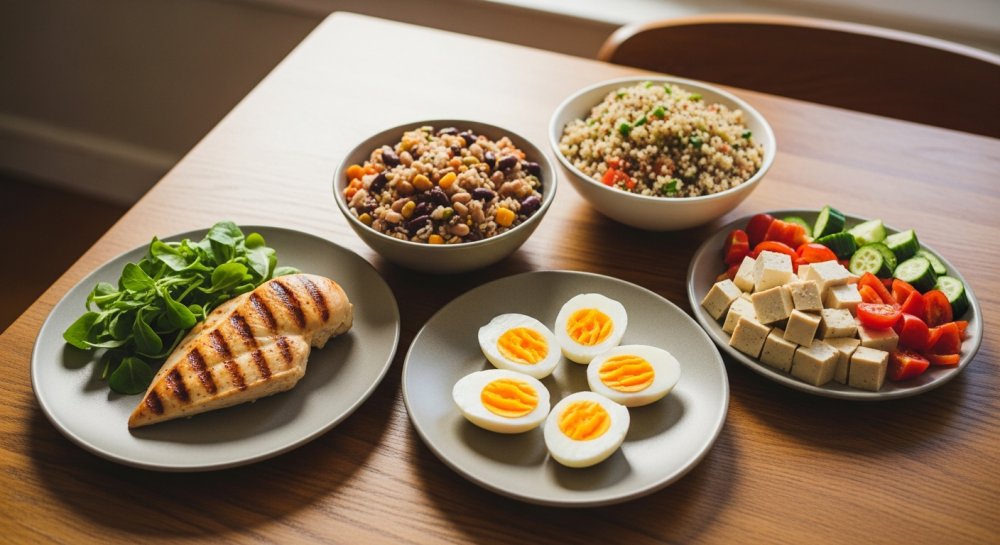
Complete proteins deliver all nine essential amino acids in a single food source. Animal-based foods like chicken, beef, fish, eggs, and dairy products naturally provide this complete amino acid profile. For those who prefer plant-based eating, quinoa, buckwheat, and soy products like tofu and tempeh also qualify as complete proteins.
Incomplete proteins lack one or more of the essential amino acids. Most plant foods fall into this category, including beans, lentils, nuts, seeds, and whole grains. However, this doesn’t diminish their nutritional value—it simply means thoughtful meal planning can optimize their benefits.
The concept of “protein combining”—eating complementary incomplete proteins together—has evolved over the years. Nutritionists once believed these combinations needed to occur within the same meal, but current research shows your body can utilize amino acids consumed throughout the day. Classic pairings like rice and beans, peanut butter on whole wheat bread, or hummus with pita remain nutritionally sound approaches.
Most American adults easily meet their basic protein requirements through regular meals. The recommended dietary allowance stands at 0.8 grams of protein per kilogram of body weight, though active individuals and those over 50 may benefit from slightly higher intake to preserve muscle mass and support healthy aging.
For older adults concerned about maintaining strength and independence, protein intake becomes even more critical. Research indicates that distributing protein consumption evenly across meals—rather than concentrating it at dinner—helps maximize muscle protein synthesis throughout the day.
Whether you choose animal or plant-based sources, focusing on protein quality alongside quantity supports long-term health. The variety in your diet matters more than strict adherence to complete proteins at every meal, giving you flexibility while meeting your nutritional needs.
As your body’s requirements shift with age, consulting with a healthcare provider or registered dietitian can help tailor your protein intake to your individual health goals, activity level, and any medical conditions. Understanding these protein basics empowers you to make informed choices that support vitality and wellness in your 40s, 50s, 60s, and beyond.
