Nutrition
Five Expert Tips That Changed How I Choose Protein Powder

Health Points
- Protein powders vary significantly in quality, absorption, and nutritional value—not all are created equal
- Third-party certifications like NSF and Informed Choice verify safety and ingredient accuracy
- Choosing the right protein source and checking for added sugars can dramatically impact health outcomes
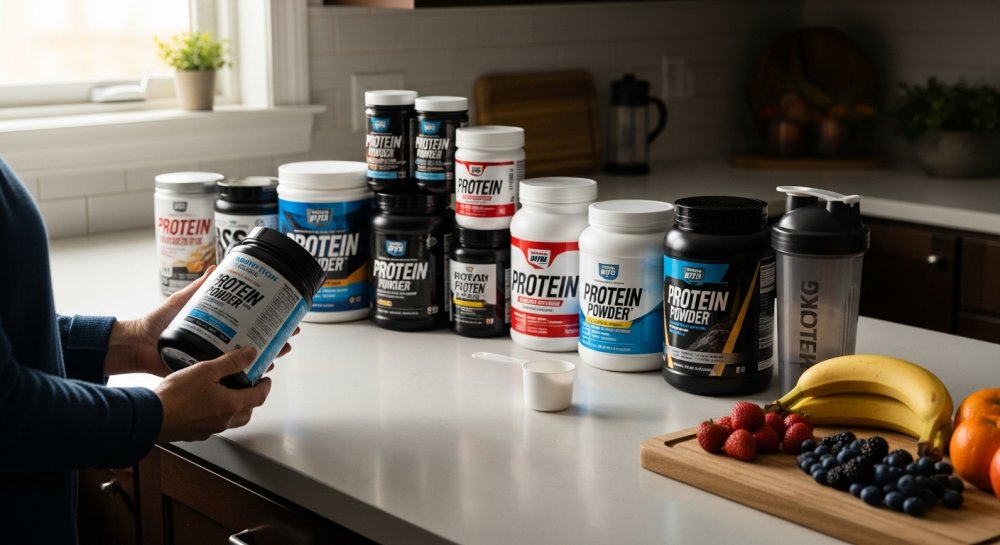
Navigating the protein powder aisle can feel overwhelming, with dozens of options promising muscle gain, weight loss, and enhanced energy. Yet according to nutrition experts, the differences between products extend far beyond marketing claims—they can significantly affect your health and fitness goals.
For adults over 40, selecting the right protein supplement becomes even more critical. Age-related muscle loss accelerates after 40, making adequate protein intake essential for maintaining strength, mobility, and metabolic health.
Understanding Protein Quality Matters
Not all protein sources deliver equal benefits to your body. Whey protein, derived from dairy, contains all nine essential amino acids and absorbs quickly, making it ideal for post-workout recovery. Plant-based options like pea, hemp, and brown rice protein offer alternatives for those with dairy sensitivities or dietary preferences.
Registered dietitian Amanda Miller explains the fundamental difference: “Animal-based proteins typically provide complete amino acid profiles, while most plant proteins require combining multiple sources to achieve the same nutritional completeness.”
The bioavailability—how well your body can use the protein—varies significantly. Whey protein boasts approximately 90-95% bioavailability, while some plant proteins may only reach 70-80% absorption rates.
Check for Third-Party Testing
The dietary supplement industry faces minimal FDA oversight, creating opportunities for contamination and misleading labels. Third-party certifications provide crucial verification that products contain what they claim without harmful additives.
Look for seals from NSF Certified for Sport, Informed Choice, or USP Verified on product labels. These organizations independently test supplements for banned substances, heavy metals, and label accuracy. This becomes particularly important for adults concerned about medication interactions or underlying health conditions.
“Third-party testing isn’t optional—it’s essential,” notes nutritionist Dr. Sarah Chen. “We’ve seen too many cases where unlisted ingredients caused adverse reactions or interfered with prescription medications.”
Read the Ingredient List Carefully
Many protein powders contain far more than just protein. Added sugars, artificial sweeteners, fillers, and thickening agents often pad out formulas—and your waistline.
Check the nutrition label for sugar content. Some popular brands contain 15-20 grams of added sugar per serving, equivalent to five teaspoons. This undermines weight management goals and can spike blood sugar levels.
Artificial sweeteners like sucralose and aspartame may help reduce calories, but some individuals experience digestive discomfort or sensitivity. Natural alternatives include stevia and monk fruit, though taste preferences vary widely.
Ideally, choose powders with five or fewer recognizable ingredients. The shorter the list, the cleaner the product.
Consider Your Dietary Needs
Your individual health profile should guide protein powder selection. Those with lactose intolerance need dairy-free options. Individuals managing diabetes should prioritize low-sugar formulations. Anyone with kidney concerns requires medical guidance on appropriate protein intake levels.
Protein requirements increase with age. Adults over 50 may need 1.0 to 1.2 grams of protein per kilogram of body weight daily—higher than the standard recommendation of 0.8 grams. A quality protein powder can help meet these elevated needs, especially for those with reduced appetites.
“We see many older adults struggling to consume enough protein through whole foods alone,” explains geriatric nutrition specialist Dr. Michael Torres. “Properly chosen supplements can bridge that gap effectively.”
Evaluate the Protein Content Per Serving
The amount of actual protein per serving varies dramatically across products. Some powders deliver 30 grams per scoop, while others provide only 10-15 grams—padded with fillers to increase serving size.
Calculate the protein percentage by dividing protein grams by total serving size in grams, then multiplying by 100. Quality protein powders typically contain 70% or higher protein by weight. Products below 50% likely contain excessive fillers.
Also examine the amino acid profile when available. Leucine, in particular, triggers muscle protein synthesis. Effective powders should provide at least 2-3 grams of leucine per serving for optimal muscle recovery and growth.
Making the Investment Worthwhile
Premium protein powders cost more upfront but deliver superior nutritional value per dollar. Cheap alternatives often require consuming larger servings to achieve the same protein intake, ultimately costing more while adding unwanted calories and ingredients.
Storage matters too. Protein powder degrades when exposed to heat, light, and moisture. Keep containers sealed tightly in cool, dark places. Check expiration dates—old protein powder loses nutritional potency and develops off flavors.
Most importantly, remember that protein powder supplements a healthy diet rather than replacing whole food sources. Eggs, lean meats, fish, legumes, and dairy provide protein alongside other essential nutrients that powders cannot fully replicate.
By applying these five selection criteria, you can confidently choose protein powders that support your health goals without compromising on quality or safety. Your body—and your fitness progress—will notice the difference.
