Movement
The 10 Strength Moves That Keep Your Body Young After 40

Health Points
- Strength training preserves muscle mass, bone density, and mobility as we age, helping maintain independence in daily activities
- Functional exercises like squats, lunges, and overhead presses mirror real-world movements that become increasingly important after 40
- Consistency matters more than intensity—two to three weekly sessions can deliver meaningful results for healthy aging
Building strength isn’t just about looking fit. For adults over 40, the right resistance exercises can mean the difference between aging gracefully and struggling with everyday tasks.
Personal trainers who specialize in working with mature clients emphasize that strategic strength training preserves the physical capabilities we often take for granted. Simple movements like getting up from a chair, carrying groceries, or climbing stairs require muscle power that naturally declines without intervention.
The science backs this up. After age 30, adults lose between 3% and 8% of muscle mass per decade, with the rate accelerating after 60. This loss affects everything from metabolism to balance, increasing fall risk and reducing quality of life.
The good news? The right exercises can slow or even reverse this decline.
Certified personal trainers recommend focusing on compound movements that engage multiple muscle groups simultaneously. These exercises deliver the most benefit for time invested while building functional strength that translates to daily life.
The Essential Ten
Squats top nearly every trainer’s list for good reason. This fundamental movement pattern strengthens the legs, glutes, and core while improving balance. Whether performed with body weight or added resistance, squats directly support the ability to sit down and stand up—a critical measure of physical independence.
Lunges complement squats by building single-leg strength and stability. Walking lunges, reverse lunges, or stationary variations all challenge balance while strengthening the muscles that prevent falls.
Deadlifts teach proper lifting mechanics while building posterior chain strength. Learning to hinge at the hips protects the lower back and makes everyday lifting—from picking up grandchildren to moving boxes—safer and easier.
Push-ups remain one of the most effective upper body exercises, engaging the chest, shoulders, triceps, and core. Modified versions on an elevated surface make this exercise accessible regardless of current fitness level.
Rows balance out pushing movements by strengthening the back muscles that support good posture. Whether performed with resistance bands, dumbbells, or suspension trainers, rowing movements counter the forward-slumping tendency that comes from desk work and screen time.
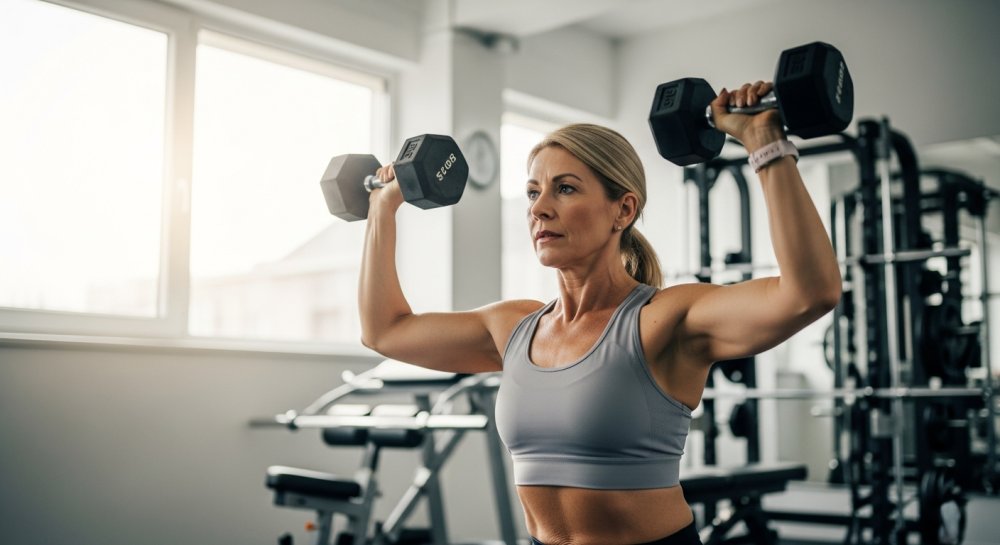
Overhead presses build shoulder strength and mobility essential for reaching high shelves or storing items overhead. This movement also engages the core and improves overall stability.
Planks develop core strength that protects the spine and improves balance. Unlike crunches, planks train the core to stabilize the body—exactly how these muscles function in real life.
Glute bridges target the often-underactive muscles in the hips and buttocks. Strong glutes support the lower back, improve posture, and maintain hip mobility for walking and stair climbing.
Step-ups build leg strength while practicing a movement pattern used constantly in daily life. This exercise improves balance and coordination while strengthening the muscles needed for stairs and uneven terrain.
Farmer’s carries sound simple—just walk while holding weights—but this exercise builds grip strength, core stability, and functional endurance. The movement mimics carrying groceries, luggage, or other loads.
Getting Started Safely
Fitness professionals emphasize that perfect form matters more than heavy weights, especially when beginning a strength program. Starting with body weight or light resistance allows the nervous system to learn movement patterns before adding significant load.
Most trainers recommend two to three strength sessions per week, with at least one rest day between workouts. This frequency allows adequate recovery while building strength progressively.
For those new to strength training or returning after a break, working with a qualified trainer for even a few sessions can establish proper technique and prevent injury. Many gyms offer complimentary orientations or small group training designed specifically for older adults.
The exercises can be modified to match individual capabilities. Chairs provide support for balance during squats, walls reduce the challenge of push-ups, and resistance bands offer variable difficulty for rows and presses.
Beyond the Physical
Strength training delivers benefits that extend beyond muscle and bone. Research consistently shows that resistance exercise improves insulin sensitivity, supports cardiovascular health, and may help maintain cognitive function as we age.
The confidence that comes from feeling physically capable shouldn’t be underestimated either. People who maintain their strength report greater independence, better mood, and more willingness to stay socially active—all factors in healthy aging.
Consistency matters more than intensity. Small, regular efforts compound over time into meaningful improvements in how we move, feel, and live.
The best strength program is the one that fits into your life and that you’ll actually follow. Whether at a gym, at home with minimal equipment, or in a community center class, the key is simply getting started and staying with it.
