Health
Why Black Seed Oil May Not Be Right for Everyone

Health Points
- Black seed oil may interact with common medications including blood thinners, diabetes drugs, and blood pressure medications
- Possible side effects include digestive issues, allergic reactions, and blood sugar changes requiring medical monitoring
- Most people can use black seed oil safely when following recommended doses and consulting healthcare providers
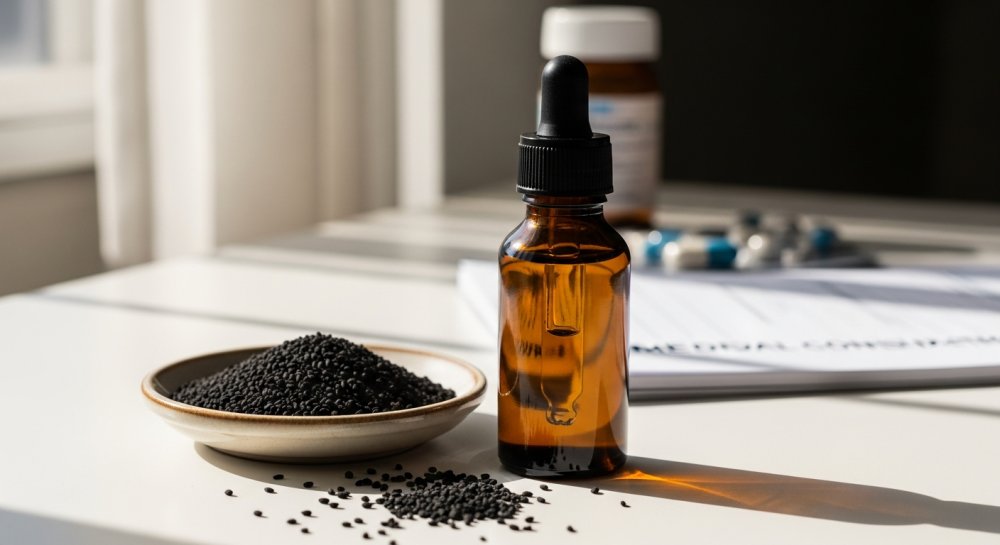
Black seed oil has gained popularity as a natural supplement, but health experts want consumers to understand the potential risks before adding it to their wellness routine. While this traditional remedy has been used for centuries, modern research reveals important safety considerations that shouldn’t be overlooked.
The oil, derived from Nigella sativa seeds, contains powerful compounds that may affect various body systems. For many people over 40, who are more likely to take multiple medications, understanding these interactions becomes especially important.
Digestive Discomfort and Nausea
The most commonly reported side effect involves the digestive system. Some users experience upset stomach, nausea, or bloating when taking black seed oil, particularly on an empty stomach or when starting with higher doses.
Healthcare professionals recommend beginning with small amounts and taking the supplement with food to minimize these effects. For individuals with sensitive stomachs or existing digestive conditions, extra caution is warranted.
Blood Sugar Fluctuations
Research indicates black seed oil may lower blood sugar levels, which sounds beneficial but can become dangerous for people already taking diabetes medications. The combined effect could cause blood sugar to drop too low, leading to hypoglycemia.
Anyone managing diabetes should work closely with their doctor before adding black seed oil to their regimen. Regular blood sugar monitoring becomes essential to ensure levels remain in a safe range.
Blood Pressure Changes
Similar concerns apply to blood pressure. Black seed oil may reduce blood pressure, which could be problematic for individuals already taking antihypertensive medications.
The compounding effect might cause blood pressure to fall below healthy levels, resulting in dizziness, fainting, or other complications. Medical supervision helps prevent these potentially serious outcomes.
Increased Bleeding Risk
Black seed oil may slow blood clotting, raising concerns for people taking blood thinners like warfarin or aspirin. This interaction could increase the risk of bruising or bleeding, particularly concerning for those scheduled for surgery.
Doctors typically advise stopping black seed oil at least two weeks before any surgical procedure. Those on anticoagulant therapy should discuss potential risks with their healthcare provider.
Allergic Reactions
While relatively uncommon, allergic reactions to black seed oil do occur. Symptoms can range from mild skin rashes and itching to more severe responses involving difficulty breathing or swelling.
People with known allergies to plants in the Ranunculaceae family or those with multiple environmental allergies should exercise particular caution. Starting with a very small amount allows for monitoring of any adverse reactions.
Skin Irritation From Topical Use
When applied directly to skin, black seed oil occasionally causes contact dermatitis, redness, or burning sensations. Sensitive skin types are more vulnerable to these reactions.
Experts recommend performing a patch test on a small area before widespread application. Diluting the oil with a carrier oil can help reduce irritation risk.
Pregnancy and Breastfeeding Concerns
Medical authorities generally advise against black seed oil supplementation during pregnancy due to insufficient safety data. Some research suggests it might affect uterine contractions, though more studies are needed.
Breastfeeding mothers should also consult their healthcare provider before use, as information about the oil’s effects on nursing infants remains limited. When it comes to reproductive health, caution takes precedence.
Drug Interactions
Beyond blood sugar and blood pressure medications, black seed oil may interact with other drugs including sedatives, immune suppressants, and medications processed by the liver. These interactions could alter medication effectiveness or increase side effect risks.
A comprehensive medication review with a pharmacist or doctor helps identify potential conflicts. Maintaining an updated list of all supplements and medications ensures better coordination of care.
Safe Usage Guidelines
For most healthy adults, black seed oil appears safe when used appropriately. Typical recommended doses range from one to three grams daily, though optimal amounts haven’t been definitively established through clinical trials.
Starting low and going slow allows the body to adjust while minimizing side effect risks. Quality matters too—choosing reputable brands that test for purity and contaminants provides additional safety assurance.
The growing interest in natural health solutions is understandable, particularly among those seeking alternatives to conventional treatments. Black seed oil offers potential benefits, but like any supplement, it’s not risk-free.
Individual health status, existing medications, and underlying conditions all influence whether black seed oil is an appropriate choice. An open conversation with healthcare providers ensures informed decisions that prioritize both wellness goals and safety considerations.
For Americans over 40 managing multiple health concerns, this collaborative approach to supplement use represents the most responsible path forward. Natural doesn’t automatically mean harmless, and professional guidance helps navigate these important distinctions.
