Movement
Six Outdoor Exercises That Could Transform Your Spring Fitness Routine

Health Points
- Outdoor exercise boosts vitamin D production and enhances mood through natural sunlight exposure and fresh air
- Activities like hiking, cycling, and outdoor yoga provide cardiovascular benefits while reducing stress levels
- Experts recommend starting slowly and gradually increasing intensity to prevent injury as you transition from indoor winter routines
As temperatures rise and daylight hours extend, fitness experts are encouraging Americans over 40 to take their workout routines outside. The transition from indoor exercise to outdoor activities offers unique health advantages that go beyond traditional gym workouts, according to exercise physiologists and wellness professionals.
The benefits of outdoor exercise extend far beyond simple physical fitness. Natural sunlight exposure helps the body produce vitamin D, essential for bone health and immune function—particularly important for adults in their middle years and beyond. Fresh air and natural surroundings have also been shown to reduce stress hormones and improve overall mental well-being.
Walking or hiking represents one of the most accessible outdoor activities for adults of all fitness levels. Whether on neighborhood sidewalks or nature trails, these low-impact exercises strengthen the cardiovascular system while preserving joint health. The varied terrain found outdoors also engages stabilizing muscles that flat treadmill surfaces cannot activate.
Cycling offers another excellent option for those seeking cardiovascular benefits without high-impact stress on knees and hips. Both traditional bicycles and the increasingly popular electric-assist bikes allow participants to control their exertion levels while covering greater distances than walking permits.
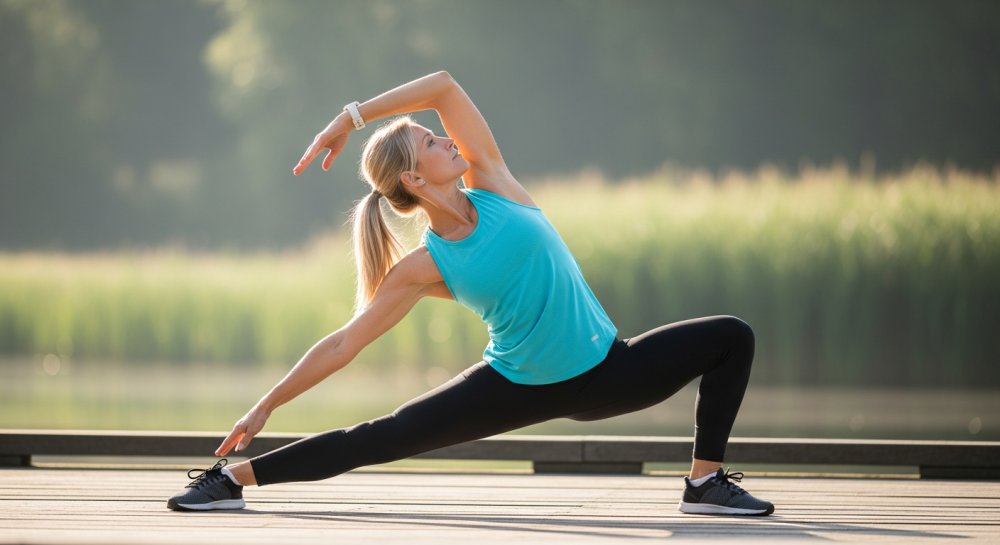
Outdoor yoga and stretching routines have gained popularity among mature adults seeking flexibility and balance improvements. Practicing these disciplines on grass or other natural surfaces adds an element of instability that enhances core engagement and proprioception—the body’s awareness of its position in space.
Swimming and water aerobics in outdoor pools provide full-body workouts with minimal joint stress. The buoyancy of water supports body weight while resistance from movement through water builds strength and endurance without the impact associated with land-based activities.
Gardening, while often overlooked as exercise, delivers substantial physical benefits through activities like digging, planting, weeding, and raking. These functional movements build strength, improve flexibility, and provide the satisfaction of productive outdoor time.
Outdoor group fitness classes—from boot camps to tai chi sessions—combine the social benefits of community interaction with structured exercise programming. The accountability and camaraderie of group settings help many adults maintain consistent workout schedules.
Health professionals emphasize the importance of gradual transitions when moving from indoor winter routines to outdoor spring activities. Starting with shorter durations and lower intensities helps prevent overexertion and reduces injury risk as the body adapts to new movement patterns and environmental conditions.
Proper hydration becomes increasingly important as temperatures rise and outdoor exercise intensity increases. Experts recommend drinking water before, during, and after outdoor activities, even when thirst seems minimal.
Sun protection remains essential for outdoor exercisers, particularly those in their 40s, 50s, and beyond when skin becomes more vulnerable to damage. Dermatologists advise applying broad-spectrum sunscreen with at least SPF 30, wearing protective clothing, and scheduling outdoor activities during early morning or late afternoon hours when ultraviolet radiation is less intense.
Appropriate footwear and equipment suited to specific outdoor activities help prevent injuries and enhance performance. Investing in quality shoes designed for walking, running, or hiking pays dividends in comfort and injury prevention over time.
The psychological benefits of outdoor exercise deserve equal attention alongside physical advantages. Studies consistently show that exercising in natural environments reduces anxiety and depression symptoms more effectively than equivalent indoor workouts. The combination of physical movement, natural scenery, and fresh air creates a powerful therapeutic effect.
For those with chronic health conditions or concerns about starting new exercise programs, consulting with healthcare providers before beginning outdoor fitness routines ensures safety and appropriateness. Medical professionals can offer guidance on activity selection and intensity levels tailored to individual health status.
The warming weather presents an ideal opportunity for adults to reenergize their commitment to physical health through outdoor activities. By choosing exercises that align with personal interests and fitness levels, Americans over 40 can enjoy the multiple benefits that spring and summer outdoor exercise provides.
