Nutrition
The Surprising Effect Rice Cakes Have on Your Blood Sugar

Health Points
- Rice cakes can cause rapid blood sugar spikes due to their high glycemic index and refined grain content
- Pairing rice cakes with protein, healthy fats, or fiber-rich toppings helps stabilize glucose response
- Whole grain alternatives and portion control offer healthier snacking strategies for maintaining steady energy
For decades, rice cakes have sat on pantry shelves as the go-to snack for health-conscious Americans. Light, crunchy, and seemingly virtuous, these disc-shaped treats have long been marketed as a smart alternative to chips and crackers. But nutritionists are now revealing what happens inside your body when you reach for that familiar round snack—and the answer might surprise you.
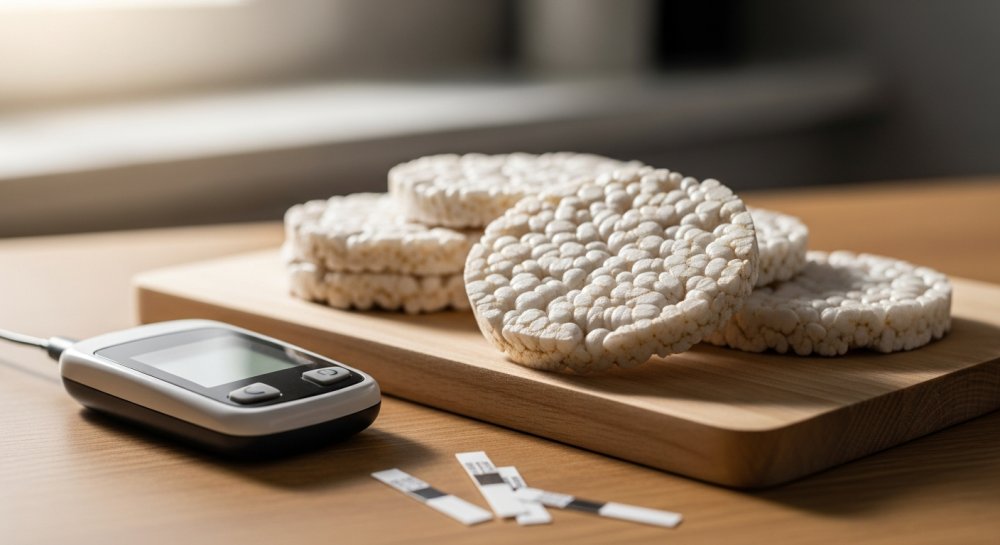
Rice cakes trigger a rapid rise in blood sugar levels, according to nutrition experts who study how different foods affect our glucose response. The reason lies in their composition and how our bodies process them.
“Rice cakes are made from puffed white rice, which is a refined grain that’s been stripped of fiber and nutrients,” explains registered dietitian Amanda Miller. “When you eat them alone, they’re quickly broken down into sugar in your bloodstream.”
The glycemic index tells an important part of the story. This measurement ranks foods based on how rapidly they increase blood glucose levels on a scale from 0 to 100. White rice cakes score surprisingly high—between 70 and 82—placing them in the same category as white bread and some sugary cereals.
For comparison, pure glucose registers at 100 on the scale. Foods scoring 70 or above are classified as high glycemic, meaning they cause swift blood sugar elevation followed by an often-dramatic drop.
“That spike-and-crash pattern is what leaves many people feeling hungry again shortly after eating rice cakes,” Miller notes. “Your blood sugar shoots up, insulin is released to bring it back down, and then you’re left searching for your next snack.”
The physical structure of rice cakes contributes to this metabolic response. The puffing process that creates their characteristic texture also makes the starch highly accessible to digestive enzymes, accelerating how quickly the carbohydrates enter your bloodstream.
This doesn’t mean rice cakes must disappear from your kitchen entirely. Nutrition experts emphasize that strategic pairing transforms them from a blood sugar roller coaster into a more balanced snack option.
“Adding protein, healthy fats, or fiber changes everything,” says dietitian Sarah Chen. “These nutrients slow down digestion and create a gentler, more sustained release of energy.”
Chen recommends topping rice cakes with natural peanut butter or almond butter, which provides protein and healthy fats. Other balanced combinations include hummus with sliced cucumber, mashed avocado with everything bagel seasoning, or ricotta cheese with fresh berries.
Cottage cheese offers another excellent pairing, delivering substantial protein that helps moderate the glucose response while keeping you satisfied longer. Even a thin layer of cream cheese with smoked salmon creates a more nutritionally complete snack than a plain rice cake.
For those committed to the rice cake format, choosing brown rice varieties offers a modest improvement. Brown rice cakes contain slightly more fiber and nutrients than their white counterparts, though they still rank relatively high on the glycemic index.
“Brown rice cakes might score around 65 to 70 on the glycemic index,” Miller explains. “That’s better than white rice cakes, but still requires thoughtful pairing for optimal blood sugar management.”
Portion awareness matters too. While one rice cake seems innocent at about 35 calories, many people consume three or four in a sitting without registering fullness. This multiplies the glycemic load and extends the blood sugar disruption.
The implications extend beyond momentary hunger pangs. Repeated blood sugar spikes and crashes can contribute to increased cravings, energy fluctuations throughout the day, and over time, may influence insulin sensitivity—particularly relevant for adults navigating metabolic changes that naturally occur after age 40.
“Stable blood sugar supports stable energy, mood, and appetite regulation,” Chen emphasizes. “It’s one of the foundations of feeling good as we age.”
Alternative snacks offer more nutritional value with gentler effects on blood glucose. Whole grain crackers made from seeds and nuts, apple slices with cheese, or even air-popped popcorn provide more fiber and sustained energy without the dramatic spike.
Greek yogurt with berries delivers protein and beneficial probiotics alongside natural sweetness. A handful of nuts provides healthy fats, protein, and minerals that support overall wellness while keeping blood sugar steady.
For those who genuinely enjoy rice cakes and want to continue eating them, the solution lies in viewing them as a vehicle rather than a standalone snack. Think of them as an edible plate for nutrient-dense toppings rather than the main event.
“There’s no single ‘bad’ food,” Miller concludes. “Understanding how different foods affect your body empowers you to make choices that support your health goals and how you want to feel throughout your day.”
The next time you reach for a rice cake, consider what you’ll pair with it. That simple decision transforms a blood sugar spike into an opportunity for balanced, sustained energy—proving that small, informed choices make meaningful differences in how we nourish ourselves.
