Health
The Hidden Blood Pressure Number That May Signal Heart Trouble

Health Points
- Elevated diastolic blood pressure—the bottom number—can increase risk of heart disease, stroke, and kidney damage even when the top number looks normal
- Diastolic readings above 80 mmHg warrant medical attention and lifestyle modifications including diet, exercise, and stress management
- Regular monitoring and early intervention can prevent serious cardiovascular complications, especially for adults over 40
Most people focus on the top number when checking their blood pressure. But medical experts say the bottom number—called diastolic pressure—deserves just as much attention, especially as we age.
Diastolic blood pressure measures the force against artery walls when the heart rests between beats. When this number climbs too high, it signals that blood vessels aren’t relaxing properly, creating constant strain on the cardiovascular system.
“High diastolic pressure is often overlooked, but it’s a significant risk factor for cardiovascular disease,” according to cardiologists who treat patients with elevated readings. “Even when systolic pressure—the top number—appears normal, an elevated diastolic measurement requires intervention.”
The condition becomes particularly concerning for adults over 40, when blood vessels naturally lose elasticity. A diastolic reading consistently above 80 mmHg indicates stage 1 hypertension, while readings above 90 mmHg signal more serious stage 2 hypertension requiring immediate medical consultation.
Health consequences extend beyond the heart. Elevated diastolic pressure increases the workload on kidneys, potentially leading to chronic kidney disease over time. The constant pressure also damages delicate blood vessels throughout the body, raising stroke risk substantially.
“The heart muscle thickens when forced to pump against high diastolic pressure,” medical researchers explain. “This can lead to heart failure, arrhythmias, and reduced cardiac function.”
Traditional approaches to managing high diastolic pressure emphasize lifestyle modifications before medication. Reducing sodium intake—aiming for less than 2,300 milligrams daily—helps blood vessels relax more effectively. The DASH diet, rich in fruits, vegetables, and low-fat dairy products, has demonstrated consistent success in lowering diastolic readings.
Regular physical activity provides one of the most effective interventions. Moderate exercise for 150 minutes weekly helps blood vessels maintain flexibility and reduces overall cardiovascular strain. Activities like brisk walking, swimming, and cycling deliver results without requiring gym memberships or expensive equipment.
Stress management plays an often-underestimated role in controlling diastolic pressure. Chronic stress keeps the sympathetic nervous system activated, preventing blood vessels from fully relaxing between heartbeats. Simple practices like deep breathing exercises, adequate sleep, and setting healthy boundaries can produce measurable improvements.
Weight management directly impacts diastolic readings, with research showing that losing even 5-10 pounds can lower blood pressure significantly. Each pound of excess weight requires additional blood vessels to supply oxygen and nutrients, increasing the pressure throughout the circulatory system.
Limiting alcohol consumption and quitting smoking provide immediate benefits for diastolic pressure. Alcohol temporarily raises blood pressure and interferes with medication effectiveness, while smoking damages blood vessel walls and prevents proper relaxation.
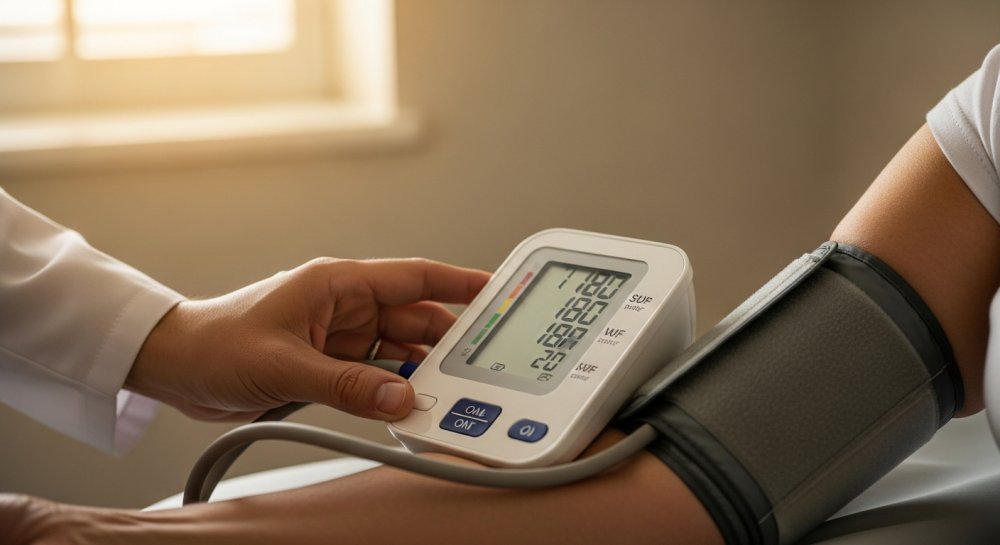
Home monitoring allows adults to track patterns and identify triggers that elevate diastolic pressure. Taking readings at the same time daily, using proper technique, and keeping records helps healthcare providers make informed treatment decisions.
“Consistency matters more than perfection,” healthcare providers emphasize when counseling patients. “Small, sustainable changes in diet and activity level produce better long-term results than dramatic short-term efforts.”
When lifestyle modifications prove insufficient, several medication classes effectively lower diastolic pressure. ACE inhibitors, calcium channel blockers, and beta-blockers work through different mechanisms to help blood vessels relax and reduce cardiac workload.
The key to protecting cardiovascular health lies in recognizing that both blood pressure numbers matter. Regular check-ups, consistent monitoring, and prompt attention to elevated readings—whether systolic or diastolic—provide the foundation for maintaining heart health well into later decades.
Understanding blood pressure as a modifiable risk factor empowers adults to take concrete steps toward better cardiovascular outcomes. With appropriate lifestyle changes and medical guidance when needed, high diastolic pressure can be effectively managed before it leads to serious complications.
