Health
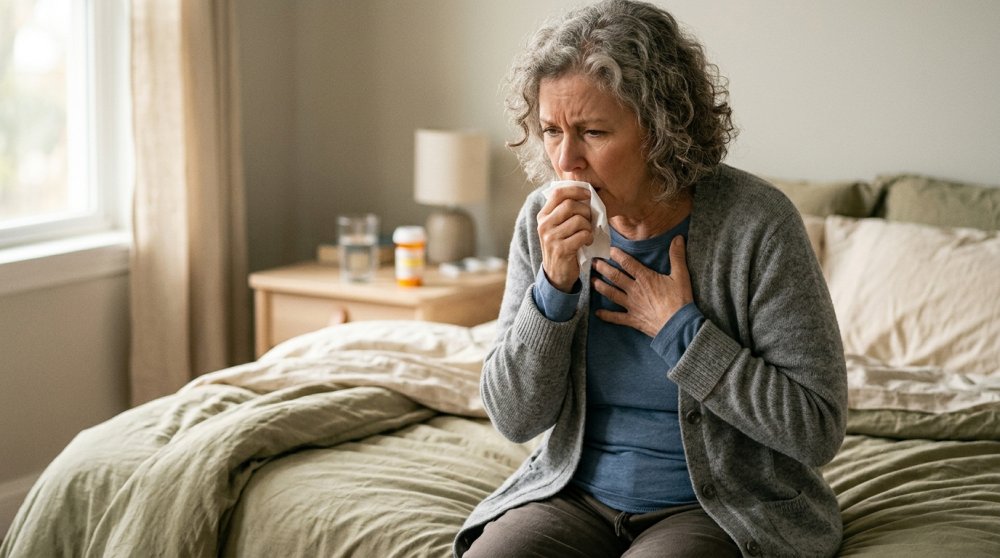
The Cough That Won’t Go Away May Signal Something Serious

Health Points
- Pneumonia symptoms can begin as a mild cough but progress to include fever, chest pain, and difficulty breathing
- Bacterial, viral, and fungal infections all cause different types of pneumonia requiring specific treatments
- Adults over 65 and those with weakened immune systems face the highest risk of serious complications
A persistent cough might seem like just another seasonal annoyance, but for millions of Americans each year, it signals the beginning of pneumonia — a lung infection that can quickly escalate from uncomfortable to dangerous.
Pneumonia sends approximately 1.5 million people to emergency rooms annually, according to the Centers for Disease Control and Prevention. While many cases resolve with proper treatment, the condition remains a leading cause of hospitalization among older adults.
“Pneumonia is essentially an infection that inflames the air sacs in one or both lungs,” explains Dr. Sarah Mitchell, a pulmonologist at Johns Hopkins Medicine. “What starts as a simple cough can fill these air sacs with fluid or pus, making it increasingly difficult to breathe.”
The infection comes in several forms. Bacterial pneumonia, often caused by Streptococcus pneumoniae, tends to strike suddenly with severe symptoms. Viral pneumonia typically develops more gradually and may initially resemble the flu. Fungal pneumonia primarily affects those with compromised immune systems or chronic health conditions.
Recognizing the warning signs early makes all the difference in treatment outcomes. A cough that produces thick, discolored mucus — yellow, green, or even rust-colored — serves as a key indicator. Fever above 100.4°F, chills, and profuse sweating often accompany the respiratory symptoms.
Sharp chest pain that worsens when breathing deeply or coughing points to inflammation in the lung tissue. Shortness of breath, even during routine activities, suggests the infection may be progressing. Fatigue, nausea, vomiting, and confusion appear more commonly in older patients.
“The challenge with pneumonia is that symptoms can vary dramatically depending on the cause of the infection, the patient’s age, and their overall health status,” Dr. Mitchell notes.
Age plays a critical role in both symptom presentation and risk level. Infants and young children may not display the classic cough at all, instead showing rapid breathing, wheezing, or a bluish tint to the lips and fingernails. Adults over 65 might experience confusion or changes in mental awareness as their primary symptom.
The risk factors extend beyond age. Chronic conditions like asthma, COPD, diabetes, and heart disease increase vulnerability. Smoking damages the lungs’ natural defenses against infection. Recent respiratory illnesses, including colds and flu, can weaken the immune system’s ability to fight off bacterial invaders.
Hospitalization, particularly with mechanical ventilation, elevates pneumonia risk significantly. The condition known as ventilator-associated pneumonia affects up to 28% of patients on breathing machines, according to medical literature.
“We’ve seen a concerning overlap between COVID-19 and bacterial pneumonia,” says Dr. Mitchell. “Some patients develop secondary bacterial pneumonia after an initial viral infection, which complicates treatment considerably.”
Diagnosis typically begins with a physical examination where physicians listen for abnormal sounds in the lungs — crackling, wheezing, or diminished breath sounds in affected areas. A chest X-ray confirms the presence of infection and shows which parts of the lungs are involved.
Blood tests help identify the type of organism causing the infection and assess how severely it’s affecting the body. In more complex cases, doctors may order a CT scan for detailed lung images or collect a sputum sample to identify the specific bacteria or fungus responsible.
Treatment strategies depend entirely on the pneumonia type. Bacterial pneumonia responds to antibiotics, though physicians increasingly face challenges with antibiotic-resistant strains. Viral pneumonia often requires supportive care — rest, fluids, and fever reducers — though certain viral causes may respond to antiviral medications.
Fungal pneumonia demands antifungal medications, and treatment typically extends longer than bacterial infections. Regardless of type, severe cases may require hospitalization for intravenous medications, oxygen therapy, or breathing treatments.
Prevention remains the most effective strategy against pneumonia. Vaccines offer substantial protection, with the pneumococcal vaccine recommended for adults 65 and older, young children, and those with specific health conditions. Annual flu shots reduce the risk of viral pneumonia developing as a flu complication.
“Simple preventive measures make a real difference,” emphasizes Dr. Mitchell. “Hand washing, avoiding sick individuals when possible, not smoking, and maintaining overall health through proper nutrition and exercise all contribute to lower pneumonia risk.”
Recovery timelines vary widely. Young, healthy adults might feel better within one to three weeks with appropriate antibiotic treatment. Older adults or those with underlying health conditions often need a month or longer to fully recover. Fatigue commonly persists for several weeks even after other symptoms resolve.
The key lies in recognizing when a cough crosses from minor annoyance to medical concern. High fever, difficulty breathing, chest pain, coughing up blood, or worsening symptoms after initial improvement all warrant immediate medical attention.
“Don’t wait to see if symptoms improve on their own,” Dr. Mitchell advises. “Early treatment prevents complications and speeds recovery. What seems like a bad cold could be pneumonia requiring professional care.”
For those recovering at home, adequate rest allows the body to fight infection effectively. Staying well-hydrated helps thin mucus secretions. Using a humidifier adds moisture to the air, easing breathing. Taking medications exactly as prescribed ensures the infection clears completely.
The relationship between common respiratory symptoms and pneumonia underscores the importance of paying attention to your body’s signals. While not every cough indicates a serious lung infection, understanding the distinguishing features of pneumonia empowers individuals to seek timely care when necessary.
