Nutrition
The Ancient Ingredient That Could Transform Your Heart Health

Health Points
- Black garlic contains concentrated antioxidants that may support cardiovascular health and reduce inflammation
- The fermentation process enhances beneficial compounds while creating a milder, sweeter flavor than raw garlic
- Early research suggests potential benefits for blood pressure, cholesterol levels, and immune function
For centuries, garlic has held a revered place in kitchens and medicine cabinets worldwide. Now, a fermented version is capturing attention from health enthusiasts and researchers alike for its potentially enhanced health properties.
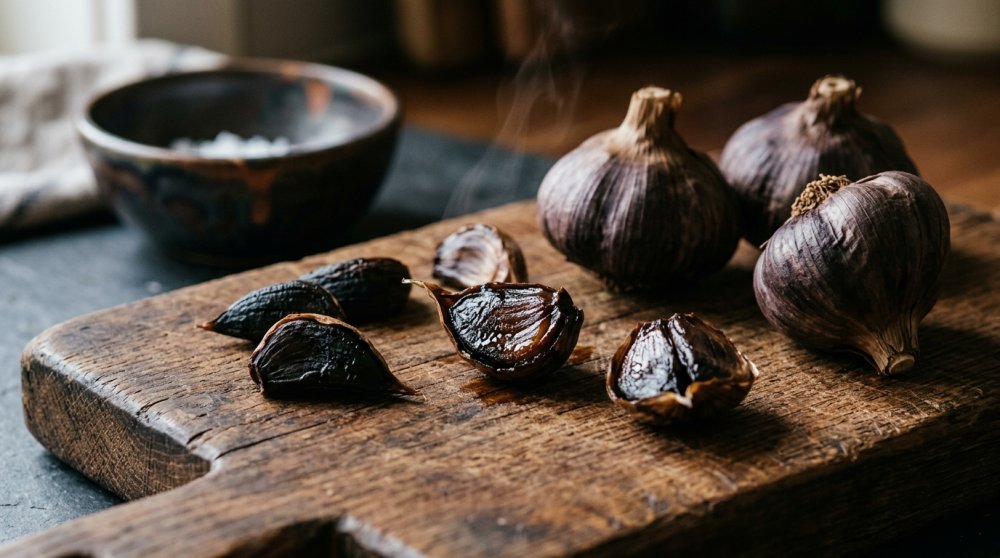
Black garlic emerges from a careful aging process that transforms ordinary white garlic bulbs into soft, dark cloves with a complex, umami-rich flavor. The transformation takes weeks of controlled heat and humidity, fundamentally altering the garlic’s chemical composition.
“The fermentation process significantly increases the concentration of certain bioactive compounds,” explains nutrition researcher Dr. Sarah Chen, who has studied fermented foods for over a decade. “What we’re seeing is that black garlic may offer some of the same benefits as raw garlic, but in a more concentrated form.”
The aging process creates higher levels of S-allylcysteine, an antioxidant compound that appears more easily absorbed by the body than those found in fresh garlic. This compound has drawn particular interest from cardiovascular researchers.
Preliminary studies suggest black garlic may help maintain healthy blood pressure levels and support balanced cholesterol profiles. One small study found that participants who consumed black garlic extract for 12 weeks showed modest improvements in markers of heart health compared to a control group.
The antioxidant properties extend beyond heart health. Research indicates black garlic contains nearly twice the antioxidant content of fresh garlic, potentially offering enhanced protection against cellular damage from free radicals.
“We’re particularly interested in black garlic’s anti-inflammatory properties,” notes Dr. Michael Torres, a functional medicine practitioner. “Chronic inflammation underlies so many health challenges people face as they age.”
Unlike its pungent predecessor, black garlic offers a mellower experience with a sweet, almost balsamic flavor profile. This makes it more palatable for those who struggle with raw garlic’s intensity or experience digestive discomfort from fresh cloves.
The fermentation process also appears to reduce compounds that cause garlic breath, a welcome relief for many who avoid raw garlic for social reasons. This could make it easier for people to incorporate garlic’s benefits into their daily routine.
Emerging research suggests black garlic may support immune function, particularly important for adults over 40 whose immune systems naturally become less robust with age. Laboratory studies have shown antimicrobial and antiviral properties, though human trials remain limited.
Some studies have explored black garlic’s potential role in supporting healthy blood sugar metabolism. While results are preliminary, early findings suggest it may help cells respond more effectively to insulin.
“We need more large-scale, long-term studies to fully understand black garlic’s health potential,” cautions Dr. Chen. “But the existing research is certainly promising.”
Incorporating black garlic into your diet doesn’t require complicated preparation. The soft cloves can be spread on whole-grain toast, added to salad dressings, or mixed into roasted vegetables. Some people simply eat a clove or two daily as a supplement.
Black garlic is increasingly available at specialty grocery stores, farmers markets, and online retailers. You can also make it at home using a rice cooker or specialized black garlic fermenter, though the process requires patience—typically three to four weeks.
When selecting black garlic, look for bulbs that feel slightly soft and have completely blackened cloves. The color should be uniform throughout, indicating proper fermentation. Store unused black garlic in an airtight container in a cool, dark place where it will keep for several months.
While black garlic appears safe for most people, those taking blood-thinning medications should consult their healthcare provider before adding significant amounts to their diet. Garlic in any form can enhance the effects of anticoagulant medications.
“I always encourage patients to think of foods like black garlic as part of an overall healthy lifestyle,” says Dr. Torres. “There’s no single superfood that will transform your health, but incorporating nutrient-dense options into a balanced diet absolutely makes a difference.”
The traditional values of wholesome eating and time-honored food preservation methods find new relevance in black garlic’s rise to prominence. This ancient technique, refined over generations in Asian cultures, offers a reminder that sometimes the wisdom of the past holds valuable lessons for modern wellness.
As research continues to unfold, black garlic represents an accessible option for those seeking natural approaches to support their health. Whether you’re drawn by the potential cardiovascular benefits, antioxidant properties, or simply the unique flavor, this fermented ingredient offers an intriguing addition to a health-conscious kitchen.
