Health
The Heating Pads That Actually Deliver Relief for Back Pain and Cramps

Health Points
- Modern heating pads range from high-tech electric wraps to simple microwavable options, each offering distinct benefits for pain management
- Heat therapy works by increasing blood flow to affected areas, helping relax tense muscles and reduce inflammation
- The right heating pad choice depends on the type of pain, target area, and personal preference for heat delivery method
For anyone dealing with persistent back pain, menstrual cramps, or muscle tension, finding effective relief without constant medication has become a priority. Heat therapy remains one of the oldest and most trusted methods for managing everyday aches, and modern heating pads have evolved far beyond the basic electric models many grew up with.
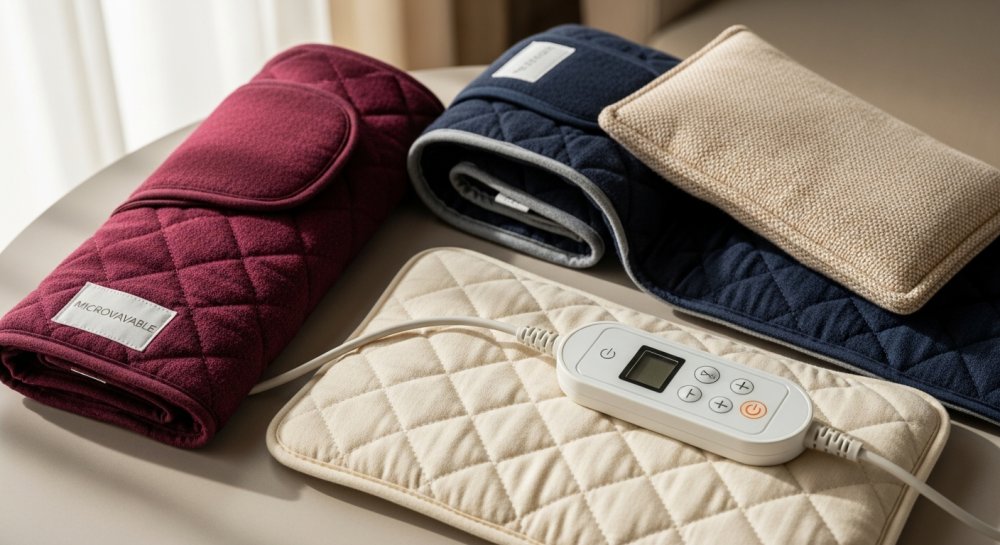
Today’s options include everything from flexible wraps that contour to the body to weighted designs that provide both heat and gentle pressure. Some feature advanced temperature controls and automatic shut-off functions, while others embrace simplicity with microwavable inserts filled with natural grains or gels.
The science behind heat therapy is straightforward yet effective. When applied to sore or stiff areas, heat increases blood circulation, which helps deliver oxygen and nutrients to damaged tissues. This process aids in healing while simultaneously relaxing tight muscles and reducing the pain signals sent to the brain.
Electric heating pads typically offer the most consistent temperature control, making them ideal for extended use during activities like reading or watching television. Many now include multiple heat settings, allowing users to customize their experience based on pain levels and personal comfort preferences.
For targeted relief, wrap-style heating pads have gained popularity, particularly among those dealing with joint pain or injuries in hard-to-reach areas. These flexible designs secure around shoulders, knees, or elbows, staying in place without requiring the user to remain stationary.
Microwavable heating pads present a cord-free alternative that appeals to those seeking portability or preferring natural materials. Filled with rice, flaxseed, or clay beads, these pads retain heat for shorter periods but offer the freedom to move around during treatment.
Safety features have become standard across quality heating pads, addressing past concerns about burns or fire hazards. Automatic shut-off timers prevent overheating, while moisture-resistant covers protect internal components and make cleaning easier.
For menstrual cramp relief, many women find that heating pads specifically designed for lower abdominal use provide superior comfort compared to general-purpose models. These often feature curved shapes that fit naturally against the body and adjustable straps for secure positioning.
Back pain sufferers typically benefit most from larger heating pads that cover substantial surface area, distributing warmth across the entire lower or upper back region. Some models now include lumbar support features or contoured designs that align with the spine’s natural curve.
The choice between moist and dry heat remains a matter of personal preference, though some evidence suggests moist heat penetrates deeper into tissues. Several electric models now include options for adding moisture, combining the benefits of both approaches.
Price points vary considerably, from budget-friendly basic models under $20 to premium options exceeding $100. The investment often reflects durability, advanced features, and specialized design elements rather than simply heating effectiveness.
For those managing chronic pain conditions, consulting with healthcare providers about heating pad use as part of a comprehensive treatment plan ensures the approach aligns with other therapies and medications.
Proper use guidelines recommend limiting heating sessions to 15-20 minutes at a time, allowing skin to return to normal temperature between applications. This practice prevents potential tissue damage while maintaining therapeutic benefits.
Storage and maintenance play important roles in heating pad longevity. Keeping cords untangled, avoiding folding while still warm, and following manufacturer cleaning instructions help preserve function and safety over time.
The growing market for heating pads reflects increased consumer interest in drug-free pain management options. As more people seek alternatives to over-the-counter pain relievers, heat therapy provides accessible relief without side effects or medication interactions.
Whether addressing occasional muscle soreness from exercise or managing ongoing pain conditions, the right heating pad can become an essential tool in daily comfort and wellness routines. The key lies in matching features and design to specific needs and lifestyle considerations.
