Nutrition
The Surprising Nutritional Winner Between Oats and Almonds

Health Points
- Almonds deliver significantly more healthy fats with 14 grams per serving compared to oats’ 2.5 grams, making them ideal for heart health and satiety
- Oats provide superior complex carbohydrates at 27 grams per serving versus almonds’ 6 grams, offering sustained energy for active lifestyles
- Both foods excel in different nutritional categories—almonds for protein and vitamin E, oats for fiber and B vitamins—making them complementary rather than competing choices
For health-conscious Americans over 40, the breakfast table has become a battleground of nutritional choices. Two powerhouse foods—oats and almonds—frequently top the list of recommended staples, but which one truly deserves a permanent spot in your pantry?
The answer depends on your specific health goals. These nutritional champions serve distinctly different purposes in a balanced diet, and understanding their unique benefits can help you make smarter choices for your individual needs.
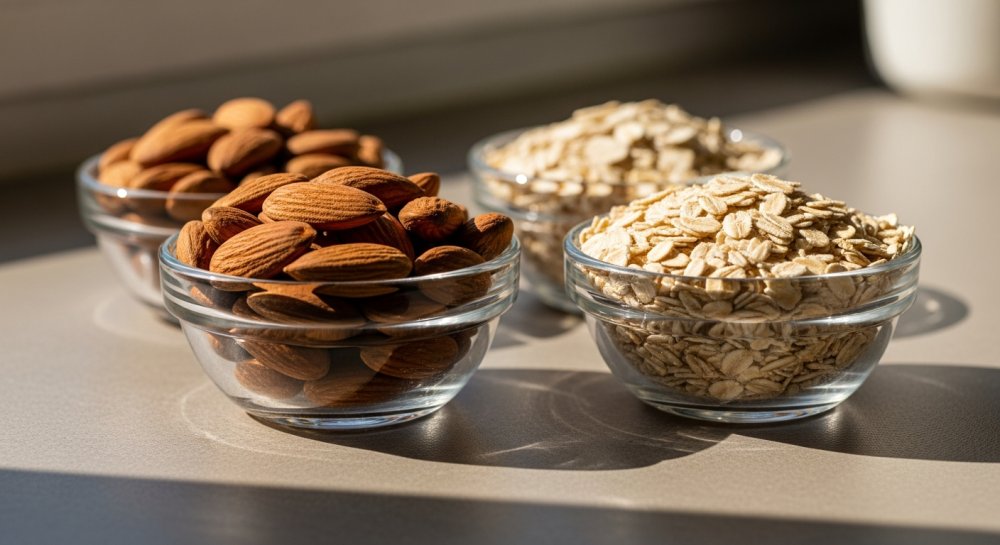
Almonds take the clear victory when it comes to healthy fats. A one-ounce serving of almonds—roughly 23 nuts—contains approximately 14 grams of fat, predominantly heart-healthy monounsaturated fats. These same fats found in olive oil and avocados have been linked to improved cardiovascular health and better cholesterol profiles.
In contrast, a half-cup serving of dry oats contains only about 2.5 grams of fat. While oats do contain some beneficial polyunsaturated fats, they simply cannot compete with almonds in this category.
The carbohydrate story flips the script entirely. Oats deliver approximately 27 grams of complex carbohydrates per half-cup serving, making them an excellent source of sustained energy. These slow-digesting carbs help stabilize blood sugar levels—a crucial consideration for those managing metabolic health as they age.
Almonds, meanwhile, provide only about 6 grams of carbohydrates per ounce, with 3.5 grams coming from fiber. This lower carb profile makes almonds a favored choice among those following low-carb or ketogenic eating patterns.
The protein comparison reveals another interesting distinction. Almonds provide 6 grams of protein per ounce, while oats offer 5 grams per half-cup serving. Both contribute to daily protein needs, though neither should be considered a primary protein source.
Where oats truly shine is in their fiber content and specific type of fiber. A half-cup of dry oats contains about 4 grams of fiber, including a significant amount of beta-glucan—a soluble fiber that has been extensively studied for its cholesterol-lowering properties. The FDA has even approved a health claim for oats related to reducing heart disease risk.
Almonds counter with impressive vitamin E content, providing about 7.3 milligrams per ounce—nearly half the daily recommended amount for adults. This powerful antioxidant supports skin health and immune function, both increasingly important concerns after 40. Oats contain minimal vitamin E by comparison.
For those monitoring calorie intake, the density matters. One ounce of almonds contains approximately 164 calories, while a half-cup of dry oats contains about 150 calories. However, oats typically expand significantly when cooked, potentially offering more volume and satiety per calorie.
The magnesium content favors almonds, with one ounce providing about 76 milligrams compared to oats’ 63 milligrams per half-cup. Magnesium supports bone health, muscle function, and blood pressure regulation—all critical considerations for aging adults.
Oats deliver more B vitamins, particularly thiamin, which supports energy metabolism and nervous system function. This makes them especially valuable for maintaining mental clarity and physical energy throughout the day.
From a practical standpoint, both foods offer versatility. Oats form the foundation of breakfast bowls, can be ground into flour, or used in baking. Almonds work equally well as a portable snack, salad topping, or butter alternative.
The cost consideration also varies by region and form. Conventional oats typically cost less per serving than almonds, though organic and specialty varieties of both can command premium prices.
For blood sugar management, the glycemic index tells an important story. Oats have a moderate glycemic index, especially when consumed as steel-cut or old-fashioned varieties rather than instant. Almonds have a very low glycemic impact, making them an excellent choice for those with insulin sensitivity concerns.
Environmental considerations may influence some consumers’ choices. Almond cultivation, particularly in California, requires substantial water resources. Oat production generally demands fewer environmental resources, though this varies by farming practices.
Food allergies and sensitivities create another layer of decision-making. Tree nut allergies affect a significant portion of the population, making almonds off-limits for those individuals. Oats are naturally gluten-free but may be cross-contaminated during processing unless specifically labeled gluten-free.
The ultimate verdict? Neither food is categorically “better.” Almonds excel for those seeking healthy fats, lower carbohydrates, and concentrated nutrients in a portable form. Oats win for individuals prioritizing complex carbohydrates, soluble fiber for cholesterol management, and affordable whole-grain nutrition.
For optimal health, most nutrition experts recommend including both foods in a varied diet. The specific ratio and frequency should align with individual health goals, dietary preferences, and any existing medical conditions.
Those managing heart disease risk factors might emphasize oats for their proven cholesterol-lowering beta-glucan. Individuals focusing on weight management through higher-fat, lower-carb approaches might lean toward almonds for their satiating properties and nutritional density.
Active adults requiring sustained energy for exercise or demanding schedules often benefit from oats’ complex carbohydrates. Meanwhile, those seeking convenient, shelf-stable nutrition for busy lifestyles may prefer almonds’ portability and lack of preparation requirements.
The choice between oats and almonds ultimately reflects the broader truth about nutrition: no single food provides complete nutrition, and the best dietary pattern incorporates diverse, whole-food sources tailored to individual needs and circumstances.
