Health
The Ancient Massage Tool Wellness Experts Say Changes Facial Contours Overnight

Health Points
- Gua sha is an ancient Chinese medicine practice using smooth-edged tools to massage the face and body, potentially reducing inflammation and improving circulation
- Regular use may help with lymphatic drainage, facial puffiness, and tension relief, though scientific evidence remains limited
- Proper technique and tool selection are essential to avoid skin damage, with jade and rose quartz being popular beginner-friendly options
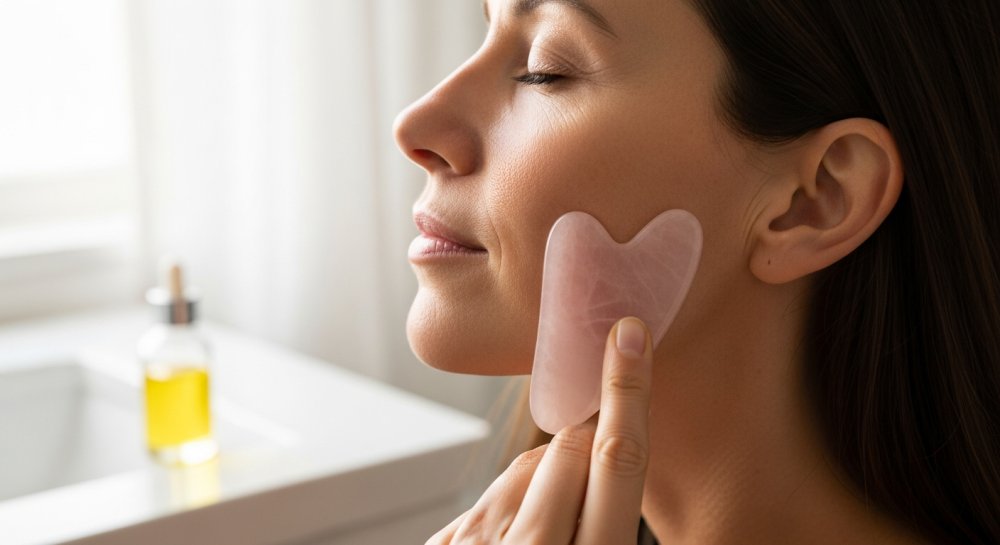
A centuries-old wellness practice is experiencing a modern revival as Americans over 40 discover the potential benefits of gua sha, a traditional Chinese medicine technique that uses smooth-edged tools to massage the face and body.
The practice, which translates to “scraping sand” in Chinese, involves gently gliding a flat stone or metal tool across the skin in specific patterns. Proponents claim it can reduce facial puffiness, ease muscle tension, and promote a more sculpted appearance through improved circulation and lymphatic drainage.
“Gua sha works by stimulating blood flow and encouraging the movement of lymphatic fluid, which can help reduce inflammation and promote healing,” explains dermatologist Dr. Dendy Engelman. “When done correctly, it’s a gentle way to support your skin’s natural drainage systems.”
The technique has gained particular popularity among those seeking natural approaches to facial wellness. Morning puffiness, tension headaches, and jaw tightness are common complaints that gua sha practitioners say the tool can address without medication or invasive procedures.
Traditional gua sha tools come in various materials, including jade, rose quartz, and stainless steel. Each offers different properties—jade stays naturally cool and is ideal for reducing puffiness, while rose quartz is believed to have calming properties that complement the relaxing massage technique.
“The key is using the right amount of pressure and always working in upward and outward motions,” says licensed esthetician Angela Caglia. “You’re not scraping hard—you’re encouraging gentle movement of fluids beneath the skin.”
For optimal results, experts recommend applying a facial oil or serum before using the gua sha tool to allow smooth gliding across the skin. The typical routine takes five to ten minutes and can be incorporated into morning or evening skincare rituals.
Common techniques include starting at the neck to open lymphatic pathways, then working upward along the jawline, cheeks, and forehead. Each stroke should be repeated three to five times with light to moderate pressure.
While many users report visible improvements in facial contours and reduced puffiness, scientific research on gua sha’s effectiveness remains limited. A small 2018 study published in Evidence-Based Complementary and Alternative Medicine found that participants who used gua sha reported improvements in facial appearance after just one use, though larger clinical trials are needed.
“The benefits are likely a combination of the massage technique itself, which we know improves circulation, and the ritualistic self-care aspect, which reduces stress,” notes integrative medicine physician Dr. Taz Bhatia. “Both contribute to better skin health.”
Skin experts caution that improper technique can cause bruising or broken capillaries, particularly on delicate facial skin. Those with active acne, rosacea, or skin conditions should consult a dermatologist before beginning a gua sha practice.
The investment required is modest—quality tools range from $15 to $50, making it an accessible option for those interested in exploring traditional wellness practices. Unlike some beauty treatments that require ongoing professional visits, gua sha can be performed at home once proper technique is learned.
Interest in gua sha reflects a broader trend toward holistic wellness approaches among midlife Americans. Rather than relying solely on pharmaceutical or surgical interventions, many are incorporating traditional practices that emphasize the body’s natural healing capacities.
For those curious about trying gua sha, dermatologists recommend starting slowly with gentle pressure, watching instructional videos from licensed practitioners, and paying attention to how your skin responds. Consistency matters more than intensity—regular gentle sessions typically yield better results than occasional aggressive treatments.
As with any wellness practice, individual results vary based on skin type, technique, and consistency. The ritual itself offers stress-reducing benefits that extend beyond potential physical changes, making it an appealing addition to self-care routines for those seeking natural approaches to healthy aging.
