Nutrition
Three Surprising Foods Pack More Vitamin D Than Salmon

Health Points
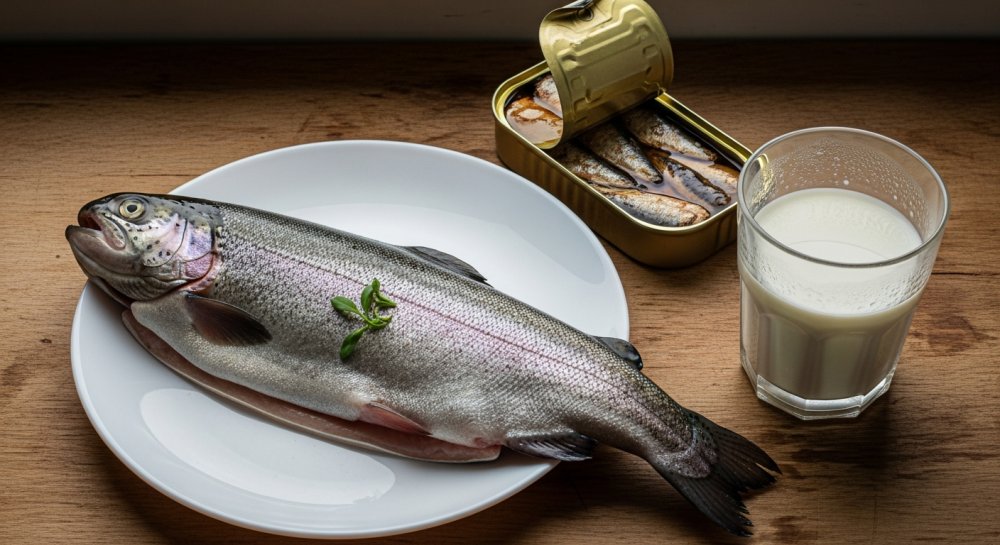
- Canned sardines, rainbow trout, and fortified milk each contain more vitamin D per serving than salmon
- Most Americans don’t get enough vitamin D from food alone, making supplementation often necessary
- Vitamin D supports bone health, immune function, and may help prevent certain chronic diseases
While salmon has long held the spotlight as the go-to source for vitamin D, three other foods quietly deliver even more of this essential nutrient per serving. For Americans over 40 concerned about bone health and immunity, these alternatives offer powerful nutritional benefits.
Vitamin D plays a crucial role in calcium absorption, bone strength, and immune system support. Yet despite its importance, most Americans fall short of recommended intake levels. The good news: several accessible foods outperform the popular fish when it comes to this vital nutrient.
Rainbow trout leads the pack with an impressive 645 IU of vitamin D per 3-ounce serving, compared to salmon’s 570 IU. This freshwater fish offers a mild flavor and can be prepared using the same methods as salmon—grilled, baked, or pan-seared.
Canned sardines deliver 193 IU per serving while also providing omega-3 fatty acids and calcium from their edible bones. These small fish are budget-friendly, shelf-stable, and surprisingly versatile in salads, pasta dishes, or simply on whole-grain crackers.
Fortified milk rounds out the top alternatives with approximately 120 IU per cup. Many dairy and plant-based milk alternatives now come fortified with vitamin D, making it easy to boost intake through everyday breakfast routines or cooking.
The Recommended Dietary Allowance for vitamin D is 600 IU for adults up to age 70, and 800 IU for those over 70. However, many health experts suggest these levels may be too conservative, particularly for maintaining optimal bone density and immune function as we age.
Beyond these top sources, egg yolks, fortified cereals, and mushrooms exposed to UV light also contribute meaningful amounts of vitamin D. Cod liver oil remains one of the most concentrated sources, though its strong taste makes it less appealing for daily consumption.
Sunlight exposure stimulates vitamin D production in the skin, but factors like geographic location, season, skin tone, and sunscreen use significantly affect how much the body can synthesize. For many Americans, especially those living in northern states or spending most daylight hours indoors, dietary sources become essential.
Research continues to explore vitamin D’s role beyond bone health. Studies suggest adequate levels may support cardiovascular health, help regulate mood, and potentially reduce risks of certain cancers and autoimmune conditions, though more research is needed to confirm these connections.
For those unable to meet vitamin D needs through food alone, supplementation offers a practical solution. Vitamin D3 (cholecalciferol) is generally considered more effective than D2 (ergocalciferol) at raising blood levels of the nutrient.
Before starting any supplement regimen, consulting with a healthcare provider is advisable. Blood tests can determine current vitamin D status and help establish appropriate dosing, as excessive intake can lead to toxicity, though this is rare from food sources alone.
Incorporating these vitamin D-rich foods into weekly meal planning provides a natural, food-first approach to meeting nutritional needs. Whether through a weekend trout dinner, sardines on a lunch salad, or fortified milk with morning coffee, small dietary adjustments can make a significant difference in vitamin D intake.
