Health
Why Your Feet Hurt When You Walk and How to Fix It

Health Points
- Foot arch pain affects millions of Americans and can stem from plantar fasciitis, flat feet, or overuse injuries
- Simple stretches, proper footwear, and strengthening exercises can provide significant relief without medical intervention
- Persistent arch pain lasting more than two weeks warrants evaluation by a healthcare provider to rule out serious conditions
That nagging ache in the bottom of your foot isn’t something you should ignore. Foot arch pain affects people of all ages, but it becomes increasingly common after 40 as the natural cushioning in our feet begins to wear down.
The arch of your foot acts like a spring, absorbing shock with every step you take. When that system breaks down, even simple activities like walking to the mailbox can become uncomfortable.
Plantar fasciitis remains the most common culprit behind arch pain. This condition occurs when the thick band of tissue connecting your heel to your toes becomes inflamed.
“The plantar fascia supports the arch of the foot and acts as a shock absorber,” explains Dr. Miguel Cunha, a podiatrist and founder of Gotham Footcare in New York City. “When we put too much stress on the plantar fascia, it can become inflamed and painful.”
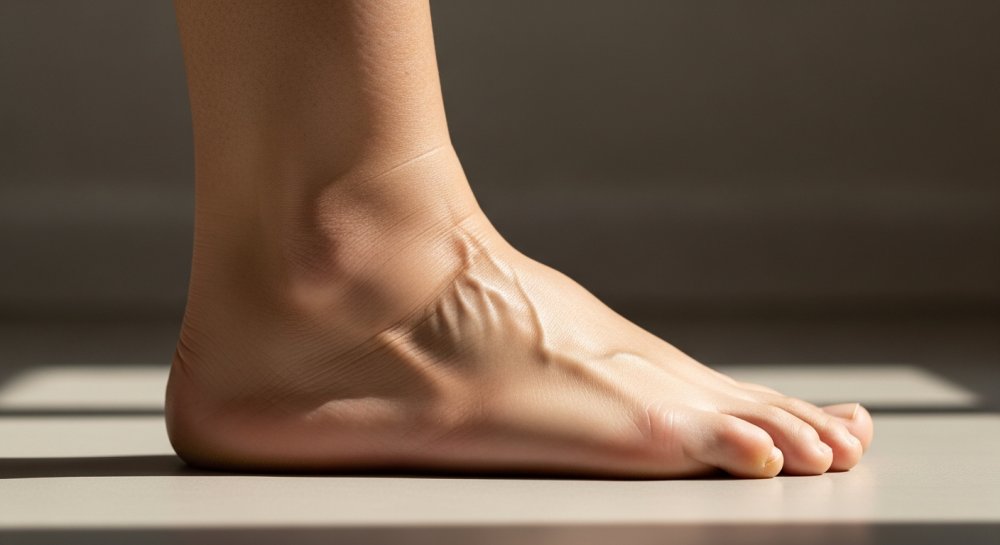
Flat feet or fallen arches represent another major source of discomfort. Some people are born with flat feet, while others develop the condition over time as tendons weaken with age. The lack of proper arch support forces other parts of the foot to compensate, leading to pain and fatigue.
Overpronation—when your foot rolls inward excessively while walking—can also strain the arch. This common gait problem places unnatural stress on the foot’s structure and frequently leads to pain in the arch and heel.
Weight gain, pregnancy, and standing for long periods can all contribute to arch pain by placing additional pressure on the feet. High-impact activities like running or jumping may also trigger or worsen symptoms.
“People often underestimate how much their footwear matters,” notes Dr. Cunha. “Worn-out shoes or shoes without proper arch support are a recipe for foot problems.”
Treatment for arch pain typically begins with conservative measures at home. Rest and ice can reduce inflammation, especially after activities that aggravate the pain. Apply ice for 15-20 minutes several times daily.
Stretching exercises targeting the calf muscles and plantar fascia provide relief for many people. Try rolling your foot over a tennis ball or frozen water bottle for several minutes each day. This simple technique massages the tissue and reduces tension.
Proper footwear makes an enormous difference. Look for shoes with good arch support and adequate cushioning. Replace athletic shoes every 300-500 miles or when you notice the treads wearing down.
Over-the-counter arch supports and orthotic inserts can provide additional cushioning and support. These inexpensive options work well for mild to moderate arch pain.
Maintaining a healthy weight reduces the burden on your feet. Even losing 5-10 pounds can significantly decrease arch pain for many individuals.
“Strengthening exercises for the feet and ankles are often overlooked but incredibly beneficial,” says Dr. Emily Splichal, a functional podiatrist. “Strong foot muscles provide natural support for the arch.”
Simple exercises like toe curls, marble pickups, and calf raises can strengthen the muscles that support your arch. Perform these exercises daily for best results.
Night splints keep the plantar fascia stretched while you sleep, preventing the morning stiffness many people experience. These devices can be particularly helpful for plantar fasciitis sufferers.
When should you see a doctor? Seek medical attention if your pain persists for more than two weeks despite home treatment. Severe pain that prevents normal walking, visible swelling or redness, or pain accompanied by numbness or tingling all warrant prompt evaluation.
Your healthcare provider may recommend physical therapy, custom orthotics, or anti-inflammatory medications. In rare cases, more advanced treatments like corticosteroid injections or surgery may be necessary.
Prevention remains the best medicine for foot arch pain. Choose supportive footwear, maintain a healthy weight, and gradually increase the intensity of physical activities. Listen to your body and address minor discomfort before it becomes a major problem.
Most cases of arch pain respond well to conservative treatment within a few weeks to months. With proper care and attention, you can get back to walking, exercising, and enjoying your daily activities pain-free.
