Health
The Ancient Herb Making a Comeback in Modern Wellness

Health Points
- Mugwort has been used in traditional medicine for centuries, particularly in Chinese and Korean healing practices
- Research suggests potential benefits for digestive comfort and skin health, though more studies are needed
- The herb contains compounds that may support natural body processes, but should be used cautiously
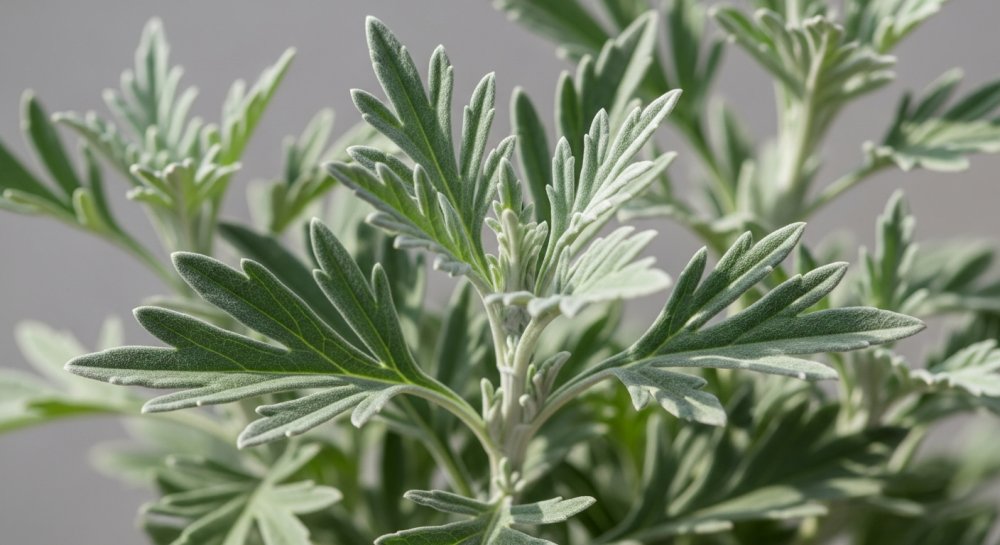
An herb once relegated to the back shelves of specialty stores is finding new life in the wellness routines of health-conscious Americans. Mugwort, a silvery-green plant with a long history in traditional medicine, is gaining attention for its potential to support digestive comfort and skin vitality.
For thousands of years, practitioners of Chinese and Korean medicine have turned to this aromatic herb for various ailments. Now, modern wellness enthusiasts are rediscovering what ancient healers seemed to know instinctively.
The plant contains several naturally occurring compounds, including antioxidants and essential oils, that researchers believe may contribute to its health-supporting properties. These substances appear to interact with the body in ways that could promote digestive ease and skin wellness.
Digestive health represents one of mugwort’s most traditional applications. The herb has been used to address occasional stomach discomfort and support healthy digestion. Some research suggests it may help stimulate digestive secretions and promote smooth muscle function in the gastrointestinal tract, though scientists emphasize the need for additional clinical studies.
When it comes to skin health, mugwort has found particular favor in Korean beauty traditions, where it’s known as “ssuk.” The herb appears in face masks, serums, and creams designed to calm irritated skin and support a healthy complexion.
The antioxidant compounds in mugwort may help protect skin cells from environmental stressors. Some users report that products containing the herb help soothe redness and promote a more even skin tone, though individual results can vary.
Despite its growing popularity, health experts urge caution. Mugwort belongs to the same plant family as ragweed, which means people with pollen allergies should approach it carefully. Pregnant women are advised to avoid the herb entirely, as it may stimulate uterine contractions.
The herb can be consumed as a tea, taken in supplement form, or applied topically in skincare products. Those interested in trying mugwort should start with small amounts to assess tolerance and consult with a healthcare provider, especially if taking medications or managing chronic health conditions.
As with many traditional remedies experiencing renewed interest, mugwort’s journey from ancient apothecary to modern medicine cabinet reflects a broader cultural shift. More Americans are seeking natural approaches to support their health, drawing on wisdom passed down through generations while awaiting confirmation from contemporary science.
The herb’s resurgence also speaks to growing interest in plant-based wellness solutions that work with the body’s natural processes. Whether mugwort will maintain its momentum or fade as wellness trends often do remains to be seen, but its centuries-long track record suggests it may have staying power.
For now, those curious about mugwort have more options than ever to explore this traditional herb. From specialty tea blends to Korean skincare innovations, the ancient plant is finding fresh relevance in a world increasingly open to time-tested natural remedies.
