Health
The Blood Pressure Numbers That Should Send You to Your Doctor

Health Points
- Blood pressure readings above 120/80 mmHg may indicate early hypertension requiring lifestyle changes or medical intervention
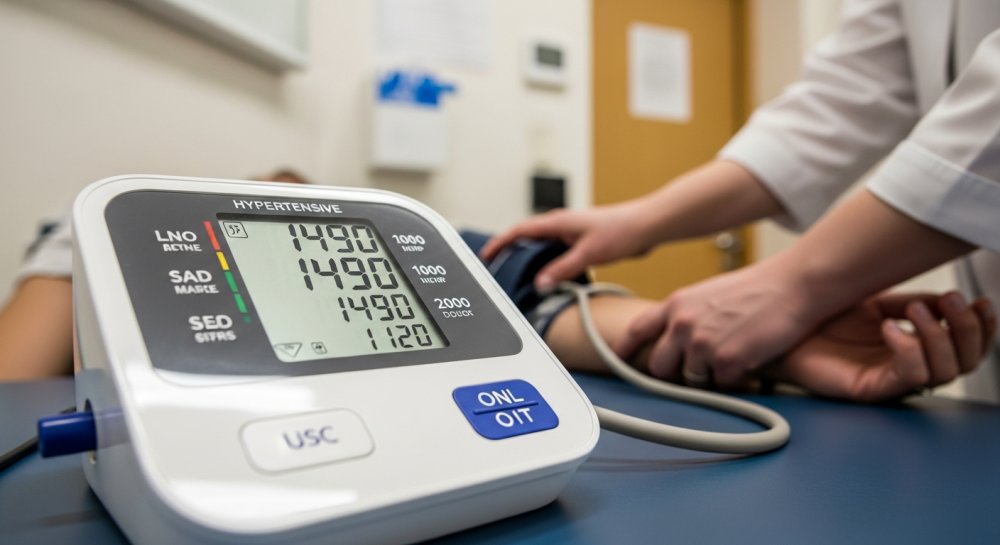
- Stage 2 hypertension (140/90 mmHg or higher) typically requires immediate medication along with lifestyle modifications
- Regular home monitoring can help detect dangerous blood pressure spikes before they lead to heart attack or stroke
For millions of Americans over 40, a routine blood pressure check at the doctor’s office can reveal numbers that change everything. Understanding what those numbers mean — and when they signal danger — could be the difference between preventing a health crisis and facing one unprepared.
Blood pressure measures the force of blood pushing against artery walls as your heart pumps. The reading consists of two numbers: systolic pressure (the top number) when your heart beats, and diastolic pressure (the bottom number) when your heart rests between beats. Both numbers matter, and both can indicate serious health risks when elevated.
According to the American Heart Association, normal blood pressure registers below 120/80 mmHg. Readings between 120-129 systolic and below 80 diastolic fall into the “elevated” category — a warning sign that lifestyle changes are needed now to prevent progression to full hypertension.
Stage 1 hypertension begins at 130-139 systolic or 80-89 diastolic. At this level, doctors typically recommend lifestyle modifications including reduced sodium intake, regular exercise, weight management, and stress reduction. Some patients may require medication, particularly if they have other risk factors like diabetes or a family history of heart disease.
Stage 2 hypertension — readings of 140/90 mmHg or higher — represents a clear medical emergency requiring prompt treatment. At this stage, medication becomes necessary alongside aggressive lifestyle changes. Left untreated, Stage 2 hypertension significantly increases the risk of heart attack, stroke, kidney damage, and vision loss.
A hypertensive crisis occurs when blood pressure suddenly exceeds 180/120 mmHg. This demands immediate medical attention. If you experience this reading along with chest pain, shortness of breath, severe headache, or vision changes, call 911 immediately. Even without symptoms, readings this high require urgent evaluation.
The challenge with hypertension is its silent nature. Most people with high blood pressure feel perfectly fine, which is why regular monitoring becomes critical after age 40. Home blood pressure monitors, widely available at pharmacies, allow you to track your numbers between doctor visits.
For accurate home readings, sit quietly for five minutes before measuring. Rest your arm at heart level, feet flat on the floor. Take multiple readings at different times of day for the most complete picture. Share these results with your healthcare provider.
Certain factors increase hypertension risk: advancing age, family history, being overweight, physical inactivity, tobacco use, excessive alcohol consumption, chronic stress, and diets high in sodium and low in potassium. African Americans face higher rates of hypertension and tend to develop it earlier in life.
The good news: hypertension responds well to treatment when caught early. Weight loss of even 5-10 pounds can significantly lower blood pressure. The DASH diet (Dietary Approaches to Stop Hypertension) emphasizes fruits, vegetables, whole grains, and lean proteins while limiting sodium, saturated fat, and added sugars.
Regular physical activity — aim for 150 minutes of moderate aerobic exercise weekly — strengthens your heart and improves circulation. Activities like brisk walking, swimming, cycling, or dancing all count. Consistency matters more than intensity for blood pressure control.
Stress management techniques including meditation, deep breathing exercises, yoga, and adequate sleep also contribute to healthier blood pressure levels. Many people find that addressing chronic stress through these methods reduces their medication needs over time.
When lifestyle changes aren’t enough, several medication classes effectively treat hypertension. Diuretics, ACE inhibitors, calcium channel blockers, and beta-blockers work through different mechanisms to lower blood pressure. Many patients require combinations of medications for optimal control.
Taking medications as prescribed is crucial. Skipping doses or stopping medication without medical supervision can cause dangerous blood pressure spikes. If side effects occur, discuss alternatives with your doctor rather than discontinuing treatment on your own.
Regular follow-up appointments allow your healthcare provider to adjust treatment as needed. Blood pressure management is not one-size-fits-all; what works for one person may not work for another. Finding the right combination of lifestyle changes and medication often requires patience and ongoing communication with your medical team.
The importance of blood pressure control cannot be overstated. Uncontrolled hypertension damages blood vessels throughout the body, forcing your heart to work harder than designed. Over years, this leads to thickening of the heart muscle, reduced pumping efficiency, and eventually heart failure.
Hypertension also affects the brain, increasing stroke risk and contributing to vascular dementia. It damages kidneys, potentially leading to chronic kidney disease or kidney failure requiring dialysis. The eyes, too, suffer damage from uncontrolled high blood pressure, sometimes resulting in vision loss.
For those already diagnosed with hypertension, maintaining blood pressure below 130/80 mmHg reduces these risks significantly. This target may be even lower for people with diabetes or chronic kidney disease. Your doctor will determine the best target based on your individual health profile.
Understanding your blood pressure numbers empowers you to take control of your cardiovascular health. Whether you’re in the elevated range or managing diagnosed hypertension, actions you take today directly impact your long-term health outcomes. Don’t wait for symptoms to appear — by then, damage may already be underway.
