Movement
Why Hollywood Stars Are Quietly Choosing This Classic Workout Over Trendy Fitness Fads

Health Points
- Pilates strengthens the core, improves flexibility, and supports better posture through controlled, low-impact movements
- Celebrity devotees including Jennifer Aniston and Kate Hudson credit the practice with maintaining long-term fitness and injury prevention
- The method emphasizes mind-body connection and can be adapted for any age or fitness level
From red carpets to private studios, a growing number of celebrities are returning to a workout method that’s been around for nearly a century. Pilates, the low-impact exercise system developed by Joseph Pilates in the 1920s, has experienced a remarkable resurgence among Hollywood’s elite—not as a passing trend, but as a foundational practice for lifelong wellness.
The appeal is straightforward: controlled movements that build strength without the joint stress of high-impact training. For Americans over 40 looking to maintain mobility and independence, the celebrity embrace of Pilates offers valuable lessons about sustainable fitness.
Jennifer Aniston, 56, has practiced Pilates for decades and frequently discusses how the method has kept her injury-free throughout her career. The actress incorporates the workout three times weekly, focusing on core stability and muscle lengthening that support her other fitness activities.
Kate Hudson, 45, opened her own Pilates studio in 2020, calling the practice “the foundation of everything I do physically.”
The Fabletics co-founder emphasizes that Pilates taught her proper breathing techniques and body awareness that transfer to daily movement patterns.
Country music star Carrie Underwood, 42, credits Pilates with helping her recover after the birth of her children. She’s spoken about how the controlled movements rebuilt her core strength safely, without forcing her body into premature intensity.
Harry Styles, 31, raised eyebrows when he revealed his commitment to regular Pilates sessions. The British singer says the practice helps him maintain the stamina needed for demanding concert tours while preventing the repetitive strain injuries common among performers.
Meghan Markle, 43, has been photographed leaving Pilates studios in California and reportedly practices several times per week. Friends say she values the mental clarity the workout provides as much as the physical benefits.
Lady Gaga, 38, turned to Pilates as part of her recovery from chronic pain caused by a hip injury. She’s credited the method with helping her manage pain without relying solely on medication, giving her tools to understand and work with her body’s limitations.
David Beckham, 49, incorporated Pilates into his training regimen during his soccer career and continues the practice in retirement. He’s said the focus on alignment and balance helped extend his playing years and now supports healthy aging.
Miley Cyrus, 32, practices Pilates regularly and has shared that the workout helps her maintain vocal strength. The controlled breathing techniques used in Pilates directly support her singing performance.
The common thread among these celebrity testimonials isn’t vanity—it’s sustainability. Each describes Pilates as a practice that works with the body rather than against it, building strength while respecting physical limits.
For older Americans, this approach holds particular relevance. Traditional high-impact exercise can aggravate joint conditions and increase injury risk, while Pilates offers a gentler path to maintaining the core strength essential for balance, posture, and fall prevention.
The method’s emphasis on controlled movement and proper form means it can be scaled to any fitness level. Beginners can start with mat-based exercises using body weight alone, while more advanced practitioners can add resistance through specialized equipment.
Research supports the celebrity enthusiasm. Studies have shown Pilates improves balance, flexibility, and functional fitness in older adults—the exact qualities needed to maintain independence and quality of life as we age.
Unlike fitness trends that promise rapid transformation, Pilates requires patience and consistency. Results accumulate gradually through regular practice, typically two to three sessions per week. This measured approach aligns with conservative principles about sustainable progress and long-term thinking.
The workout also emphasizes personal responsibility for one’s health. Instructors guide proper form, but practitioners must develop body awareness and make mindful choices about intensity and progression—skills that transfer beyond the studio.
For those interested in starting a Pilates practice, certified instructors recommend beginning with private or small-group classes to learn proper technique. Many studios offer introductory packages specifically designed for older adults or those new to the method.
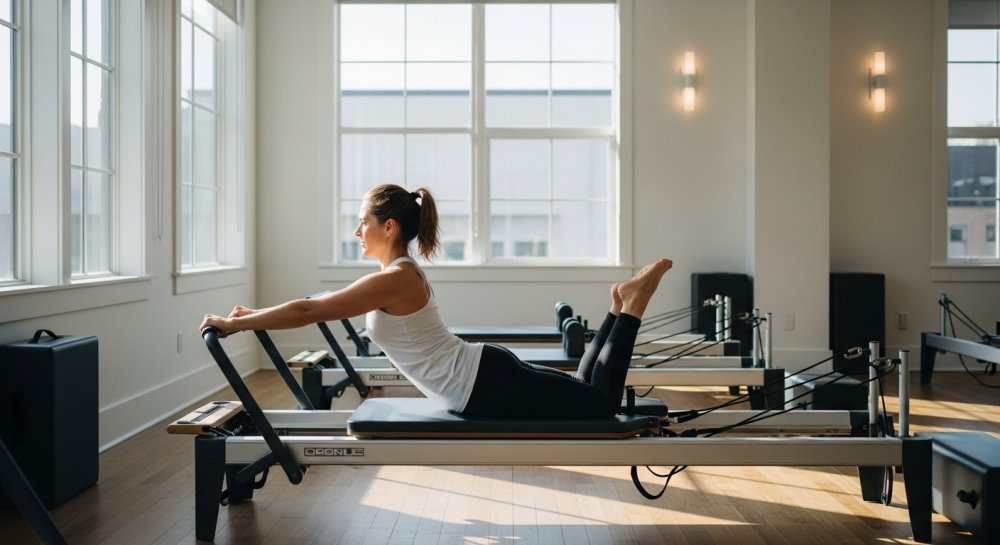
The equipment used in traditional Pilates studios—reformers, chairs, and barrels—may look intimidating, but instructors adapt every exercise to individual capability. Mat Pilates requires no special equipment and can be practiced at home once basic principles are learned.
As celebrity fitness choices increasingly emphasize longevity over quick fixes, the Pilates resurgence offers a refreshing counter-narrative to extreme workout culture. The message is one of respect for the body, patience with progress, and commitment to practices that serve us across decades rather than just weeks.
For Americans seeking to maintain strength, flexibility, and independence as they age, the celebrity embrace of this classic method provides both inspiration and practical guidance. Sometimes the most effective approach isn’t the newest trend—it’s a time-tested practice that’s proven its value across generations.
