Health
The Five Treatment Paths for Non-Small Cell Lung Cancer

Health Points
- Non-small cell lung cancer (NSCLC) treatment depends on cancer stage, tumor location, and overall health status
- Surgery, radiation, chemotherapy, targeted therapy, and immunotherapy can be used alone or in combination
- Early detection significantly improves treatment outcomes and survival rates
When faced with a non-small cell lung cancer diagnosis, understanding the available treatment options becomes crucial for patients and their families. This type of lung cancer, which accounts for approximately 85% of all lung cancer cases, offers multiple therapeutic approaches that can be tailored to individual circumstances.
The treatment journey for NSCLC depends on several critical factors including the cancer’s stage, the tumor’s precise location within the lungs, and the patient’s overall health condition. Medical professionals typically combine different treatment modalities to achieve the best possible outcomes.
Surgical intervention remains one of the primary treatment options for NSCLC, particularly when the cancer is detected in its earlier stages. Surgeons may remove a portion of the lung containing the tumor, an entire lobe, or in more advanced cases, the entire lung. The extent of surgery depends on how far the cancer has spread and whether it remains localized to a specific area.
Radiation therapy uses high-energy beams to target and destroy cancer cells. This approach proves especially valuable for patients who cannot undergo surgery due to other health conditions or when the tumor’s location makes surgical removal challenging. Radiation can also be used following surgery to eliminate any remaining cancer cells.
Chemotherapy employs powerful medications that travel throughout the body to kill rapidly dividing cancer cells. Doctors often recommend chemotherapy in combination with other treatments, either before surgery to shrink tumors or after surgery to reduce the risk of recurrence. The treatment typically involves multiple cycles, with rest periods in between to allow the body to recover.
Targeted therapy represents a more personalized approach to cancer treatment. These medications specifically attack cancer cells with certain genetic mutations or proteins, leaving healthy cells largely unaffected. Before recommending targeted therapy, doctors test the tumor for specific genetic markers that indicate whether this treatment will be effective.
Immunotherapy harnesses the body’s own immune system to fight cancer. These treatments help the immune system recognize and attack cancer cells more effectively. Recent advances in immunotherapy have shown promising results for certain NSCLC patients, particularly those whose tumors express specific biomarkers.
The decision-making process for NSCLC treatment involves careful consideration of multiple factors. Medical teams evaluate the cancer’s stage using a system that categorizes tumors from Stage I (early, localized cancer) through Stage IV (cancer that has spread to other parts of the body). Each stage influences which treatment approaches are most appropriate.
Patient age and overall health status play significant roles in treatment planning. Older adults or those with other serious health conditions may require modified treatment approaches that balance effectiveness with quality of life considerations. The goal is to treat the cancer aggressively while maintaining the patient’s ability to function and enjoy daily activities.
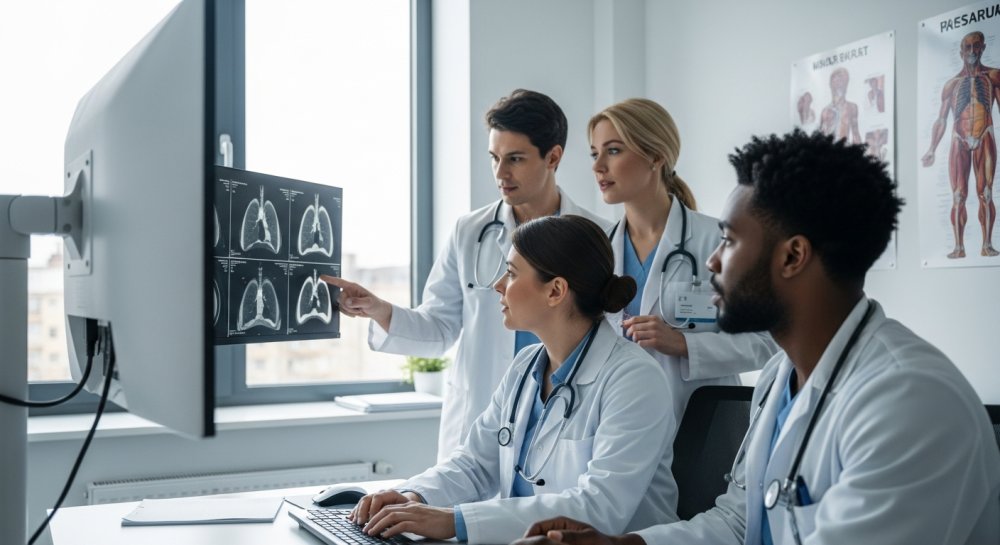
Modern NSCLC treatment often involves a multidisciplinary team of specialists working together. This team typically includes medical oncologists, radiation oncologists, thoracic surgeons, pulmonologists, and pathologists who collaborate to develop comprehensive treatment plans tailored to each patient’s unique situation.
Side effects vary depending on the treatment approach selected. Surgery carries risks associated with any major operation, including infection and breathing difficulties. Radiation therapy may cause fatigue and skin irritation in the treated area. Chemotherapy can lead to nausea, hair loss, and increased susceptibility to infections. Targeted therapy and immunotherapy have their own distinct side effect profiles that patients and doctors must monitor carefully.
Clinical trials offer another avenue for NSCLC patients seeking cutting-edge treatments. These research studies test new therapies or new combinations of existing treatments. Participating in clinical trials gives patients access to innovative approaches while contributing to medical knowledge that benefits future cancer patients.
The importance of early detection cannot be overstated. When NSCLC is caught in its earliest stages, treatment options are more numerous and outcomes are generally more favorable. Regular screening for high-risk individuals, including current and former smokers, increases the likelihood of detecting lung cancer when it’s most treatable.
Advances in medical technology continue to improve NSCLC treatment outcomes. Minimally invasive surgical techniques, more precise radiation delivery methods, and increasingly sophisticated targeted therapies offer hope for better survival rates and improved quality of life for patients.
Support systems play a vital role throughout the treatment process. Patients benefit from emotional support provided by family, friends, support groups, and mental health professionals who help them navigate the challenges of cancer treatment and recovery.
Treatment decisions should always be made in close consultation with qualified medical professionals who can assess individual circumstances and recommend the most appropriate approach. Every NSCLC case is unique, and personalized treatment plans offer the best chance for successful outcomes.
