Nutrition
Simple daily habits that protect leg circulation after 40

Health Points
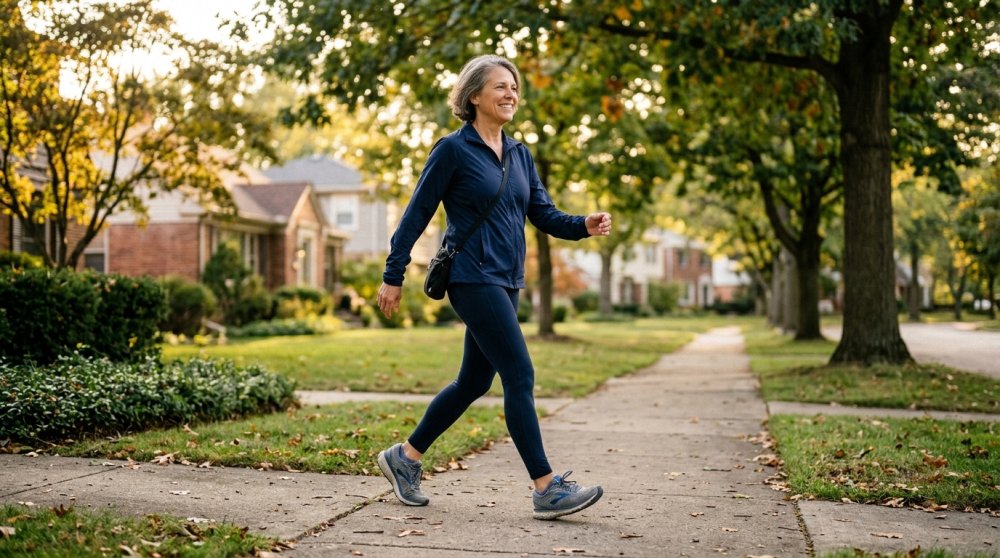
- Walking 30 minutes daily can improve blood flow and reduce vein pressure.
- Alternating between sitting and standing throughout the day prevents blood pooling.
- Maintaining a healthy weight lessens strain on leg veins.
Varicose veins often appear as twisted, enlarged veins just beneath the skin, most commonly in the legs. For many adults over forty, these visible veins can cause discomfort and concern about long-term circulation. Simple lifestyle adjustments can make a meaningful difference.
Daily movement stands out as one of the most effective preventive steps. A brisk walk after dinner or a midday stroll encourages blood to travel upward against gravity. Experts note that consistent low-impact activity strengthens calf muscles, which act as natural pumps for venous return.
“Movement is medicine for your veins,” says Dr. Lisa Henderson, a vascular specialist at Midwest Heart & Vein Clinic.
Elevation offers another accessible strategy. Raising the legs above heart level for fifteen minutes during an afternoon break helps drain pooled blood. This small habit integrates easily into work-from-home routines or evening television time.
Supportive footwear matters as well. Shoes with a low heel and ample arch support reduce pressure points along the foot. Avoiding prolonged wear of high heels or completely flat shoes helps maintain proper venous valve function.
“Compression socks are not just for travel,” adds Henderson. “They provide graduated pressure that supports circulation throughout an ordinary workday.”
Nutrition plays a supporting role. A diet rich in fiber from vegetables, fruits, and whole grains helps prevent constipation, a condition linked to increased abdominal pressure that can worsen vein health. Staying hydrated further supports blood volume and flow.
Weight management reduces mechanical stress on leg veins. Losing even five to ten pounds can lessen the load on lower-body circulation. Strength training focused on the legs and core builds the muscular support that assists venous return.
Posture adjustments during prolonged sitting or standing also help. Shifting weight from one leg to the other, taking micro-breaks to flex the ankles, and avoiding crossing the legs at the knee all minimize localized pressure. Over time, these micro-habits accumulate into noticeable vascular benefits.
