Nutrition
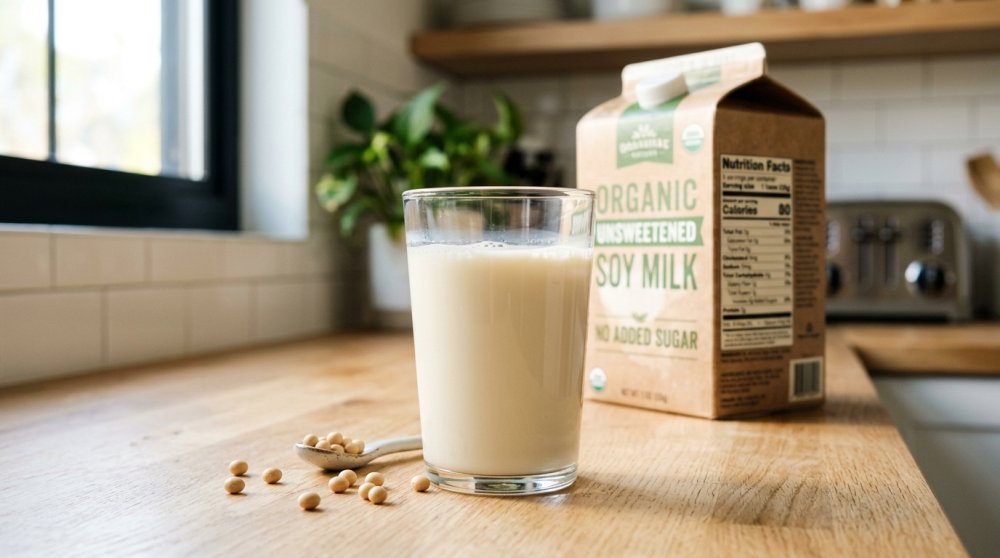
Three Dietitians Agree on the Healthiest Non-Dairy Milk for Adults Over 40

Health Points
- Soy milk provides the most complete protein profile among plant-based milk alternatives, with 7-8 grams per serving
- Fortified soy milk delivers comparable calcium and vitamin D levels to dairy milk, supporting bone health as we age
- Unlike other plant milks, unsweetened soy milk contains minimal added sugars while offering heart-healthy nutrients
For the millions of Americans avoiding dairy—whether due to lactose intolerance, dietary preferences, or health concerns—the dairy-free milk aisle has become a maze of options. From almond to oat, cashew to coconut, the choices seem endless.
But when three registered dietitians were asked to identify the single best dairy-free milk option, they all pointed to the same answer: soy milk.
The consensus centers on soy milk’s superior nutritional profile compared to other plant-based alternatives. Unlike many trendy options that have flooded the market in recent years, soy milk stands out for its protein content and nutrient density.
“Soy milk is the most nutritionally comparable to cow’s milk,” explains registered dietitian nutritionist Sarah Schlichter. “It provides about 7-8 grams of protein per cup, which is significantly more than almond, oat, or coconut milk.”
That protein advantage matters particularly for adults over 40, when maintaining muscle mass becomes increasingly important for overall health and mobility. Protein supports not just muscle maintenance but also bone health, immune function, and wound healing—all critical considerations as we age.
The nutritional benefits extend beyond protein. When fortified, soy milk delivers calcium and vitamin D levels comparable to traditional dairy milk, supporting bone density at a life stage when osteoporosis risk increases.
Registered dietitian Kelly Jones emphasizes soy milk’s heart-healthy properties. “Soy contains isoflavones, which are plant compounds that have been associated with improved heart health and may help reduce cholesterol levels,” she notes.
Research supports these benefits. Studies have shown that regular soy consumption may contribute to lower LDL cholesterol—the “bad” cholesterol linked to cardiovascular disease—making it a smart choice for heart-conscious consumers.
Despite its nutritional advantages, soy milk has faced unwarranted skepticism in recent years, often based on misconceptions about soy’s effects on hormones. Multiple scientific reviews have debunked these concerns, confirming that moderate soy consumption is safe and beneficial for most people.
“The fear around soy is largely unfounded,” states registered dietitian Abbey Sharp. “The phytoestrogens in soy are much weaker than human estrogen and don’t negatively impact hormone levels in the way some people worry about.”
When selecting soy milk, dietitians recommend choosing unsweetened varieties to avoid added sugars. Look for products fortified with calcium and vitamin D to maximize nutritional benefits, and check labels to ensure you’re getting at least 7 grams of protein per serving.
Organic options are available for those concerned about genetically modified organisms, though both conventional and organic soy milk offer similar nutritional profiles. The key is finding an unsweetened, fortified version that fits your taste preferences and budget.
For those with soy allergies or sensitivities, pea protein milk emerges as the next-best alternative, offering comparable protein levels without soy. However, for the majority of adults seeking a nutritious dairy alternative, soy milk remains the top recommendation from nutrition experts.
The bottom line: while personal taste and dietary restrictions play important roles in choosing a milk alternative, soy milk’s combination of complete protein, essential nutrients, and heart-healthy compounds make it the most nutritionally sound choice for adults prioritizing their health.
