Health
The Silent Warning Signs Your Blood Pressure May Be Dangerously High

Health Points
- High blood pressure often presents no symptoms, earning it the nickname ‘silent killer,’ though some people may experience headaches, nosebleeds, or chest pain
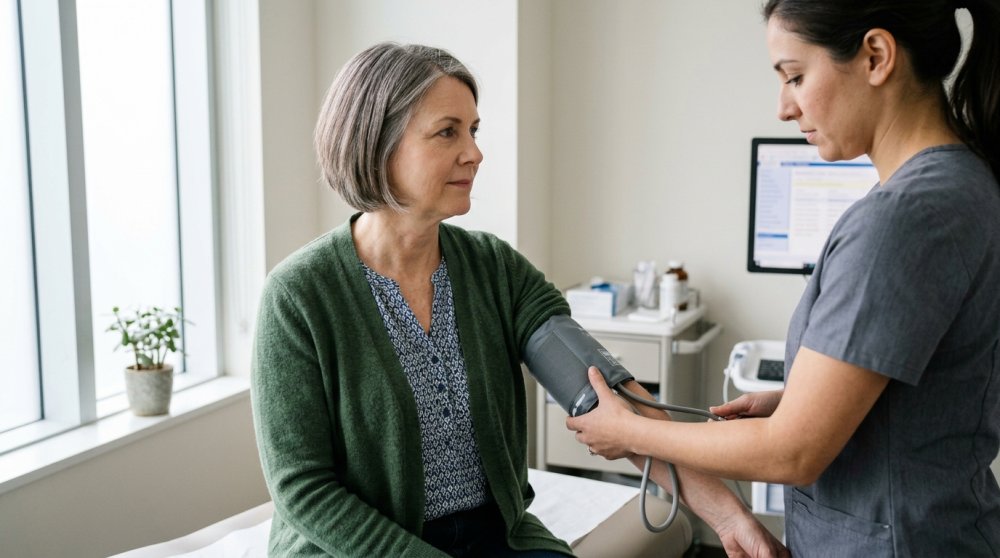
- Regular blood pressure monitoring is essential for adults over 40, as hypertension increases risks of heart disease, stroke, and kidney damage
- Lifestyle modifications including reduced sodium intake, regular exercise, and stress management can effectively lower blood pressure in many cases
For millions of Americans over 40, high blood pressure silently threatens their health without announcing its presence. Medical experts emphasize that hypertension rarely produces noticeable symptoms, making regular screening essential for maintaining cardiovascular wellness.
Dr. Sarah Mitchell, a cardiologist at Johns Hopkins Medicine, explains the danger of this condition’s stealthy nature.
“Most people with high blood pressure feel perfectly fine, which is precisely why it’s so dangerous. By the time symptoms appear, significant damage may have already occurred to the heart, arteries, or kidneys.”
Blood pressure measures the force of blood pushing against artery walls as the heart pumps. Normal readings fall below 120/80 mmHg, while readings consistently at or above 130/80 indicate hypertension requiring medical attention.
While hypertension typically operates without warning, certain signs warrant immediate medical evaluation. Severe headaches, particularly those accompanied by confusion or vision changes, may signal a hypertensive crisis. Unexplained nosebleeds, chest pain, difficulty breathing, or irregular heartbeat also merit prompt assessment.
The condition develops gradually over years, with age, family history, excess weight, and sedentary lifestyle increasing risk. African Americans face disproportionately higher rates of hypertension, often developing it earlier and with greater severity than other demographic groups.
Dr. Robert Chen, a preventive medicine specialist, emphasizes the importance of proactive monitoring for those approaching middle age.
“Once you reach your 40s, annual blood pressure checks become non-negotiable. This simple screening can prevent heart attacks, strokes, and kidney failure down the road.”
Dietary modifications offer powerful prevention and treatment options. Reducing sodium intake below 2,300 milligrams daily—ideally to 1,500 milligrams for those with hypertension—demonstrates measurable benefits. The DASH (Dietary Approaches to Stop Hypertension) eating plan, rich in fruits, vegetables, whole grains, and lean proteins, effectively lowers blood pressure naturally.
Regular physical activity strengthens the heart and improves circulation. The American Heart Association recommends at least 150 minutes of moderate-intensity exercise weekly, achievable through brisk walking, swimming, or cycling.
Stress management techniques including meditation, deep breathing exercises, and adequate sleep support healthy blood pressure levels. Limiting alcohol consumption and eliminating tobacco use further reduce cardiovascular risk.
For many individuals, lifestyle changes alone cannot adequately control hypertension. Prescription medications including diuretics, ACE inhibitors, calcium channel blockers, and beta-blockers effectively manage blood pressure when combined with healthy habits.
Dr. Mitchell stresses the importance of medication adherence for those requiring pharmaceutical intervention.
“Taking blood pressure medication consistently, even when you feel fine, protects your organs from silent damage. Missing doses allows pressure to spike, undermining treatment effectiveness.”
Home blood pressure monitoring provides valuable data between doctor visits. Digital monitors offer convenient, accurate readings when used correctly—measuring at the same time daily, while seated and relaxed, with proper cuff placement on bare skin.
Complications from untreated hypertension prove severe and potentially fatal. The heart muscle thickens and weakens under sustained pressure, leading to heart failure. Arteries develop dangerous aneurysms or become narrowed and damaged, restricting blood flow to vital organs. The kidneys struggle to filter waste effectively, potentially progressing to kidney failure requiring dialysis.
Vision loss occurs when hypertension damages delicate blood vessels in the eyes. Cognitive decline and dementia risk increase as reduced blood flow affects brain function over time.
Dr. Chen encourages patients to view blood pressure management as a long-term commitment to quality of life.
“Controlling your blood pressure isn’t about avoiding symptoms today—it’s about staying active, independent, and healthy for decades to come. That’s a goal worth pursuing at any age.”
Regular communication with healthcare providers ensures treatment plans remain effective as individual needs evolve. Blood pressure control requires patience, consistency, and partnership between patients and their medical teams.
For adults navigating their 40s and beyond, understanding hypertension’s silent threat empowers informed health decisions. Simple lifestyle adjustments, regular monitoring, and appropriate medical treatment combine to protect against this common yet manageable condition.
