Health
Onycholysis: Recognizing and Managing Nail Separation

Health Points
- Early identification of onycholysis allows for prompt intervention and faster recovery.
- Protecting nails from trauma and keeping them dry reduces the risk of separation.
- Consulting a healthcare provider ensures proper diagnosis and tailored treatment.
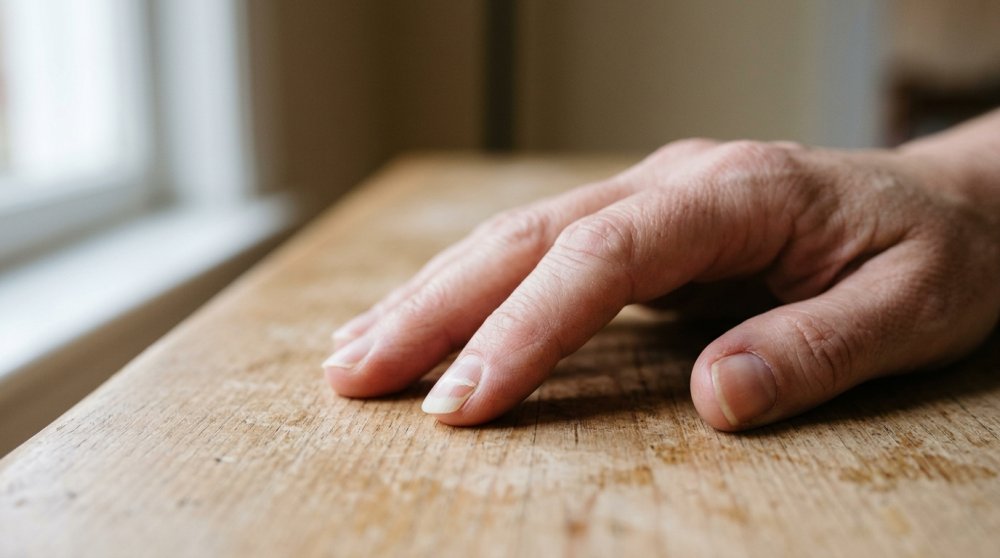
Nail separation, known as onycholysis, occurs when the nail plate lifts from the underlying nail bed, creating a visible gap. This condition can affect one or several nails and may cause discomfort or aesthetic concerns. Many people first notice a change in nail color or texture before the separation becomes obvious.
Common triggers include repetitive trauma from typing or manual work, prolonged exposure to moisture, and certain skin conditions such as psoriasis. Some medications and fungal infections can also contribute. Identifying the underlying cause is the first step toward effective management.
Simple daily habits can support nail health and prevent worsening. Keeping nails trimmed, avoiding harsh chemicals, and wearing gloves during wet chores are practical measures. Allowing the nails to breathe and staying consistent with gentle care often yields noticeable improvement over time.
“Early action makes a significant difference in outcomes,” says dermatologist Dr. Maria Lopez. “Patients who address contributing factors early tend to see faster reattachment and fewer recurrences.”
Regular follow-up with a healthcare professional helps track progress and adjust care as needed. In cases linked to systemic issues, additional evaluation may be recommended. With patience and consistent attention, many individuals regain healthy, well-attached nails.
