Nutrition
Mediterranean fats hold new promise for healthy aging hearts

Health Points
- Replacing saturated fats with unsaturated plant oils can help lower LDL cholesterol.
- Extra-virgin olive oil is linked to a reduced risk of heart disease when used in place of butter or tropical oils.
- Both olive oil and coconut oil contain fats that the body processes differently, so moderation and overall diet patterns matter most.
Choosing the right fat for daily cooking can feel like a balancing act. Nutritionists now emphasize that small, consistent swaps in the kitchen may add up to measurable benefits over time.
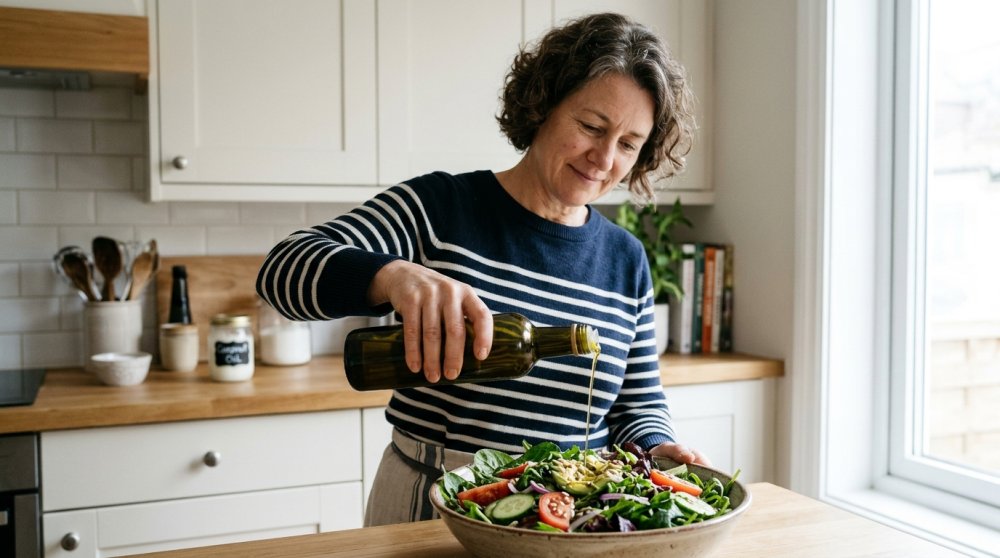
Extra-virgin olive oil has long been a staple of Mediterranean eating patterns associated with lower rates of cardiovascular events. Its high level of monounsaturated fats and naturally occurring polyphenols may help protect blood vessels and reduce inflammation.
“Olive oil fits easily into the kind of balanced plate we recommend for adults over forty,” says registered dietitian Maria Torres.
Coconut oil, by contrast, contains about 82 percent saturated fat. While its medium-chain triglycerides are metabolized quickly for energy, they can still raise LDL cholesterol in some people.
“Coconut oil is best viewed as an occasional flavor ingredient rather than a primary cooking fat,” Torres adds.
Health authorities continue to recommend limiting saturated fat to less than 10 percent of daily calories. For many adults that means favoring olive, canola, or avocado oils for sautéing, dressings, and baking.
Simple habit changes—such as drizzling olive oil on vegetables or using it for pan-searing fish—can help meet these guidelines without sacrificing taste. Over months and years, these choices support both heart health and everyday enjoyment at the table.
