Health
Living With Atopic Dermatitis Means Confronting Daily Misconceptions

Health Points
- Atopic dermatitis patients often face unfair judgment and victim-blaming when they scratch their skin, despite the condition’s intense biological urge to itch
- The chronic skin condition affects millions of adults and can significantly impact mental health and quality of life beyond physical symptoms
- Understanding the neurological basis of itch-scratch cycles helps combat stigma surrounding visible skin conditions
For those living with atopic dermatitis, the physical symptoms represent only half the battle. The invisible burden of social judgment and misunderstanding often weighs just as heavily as the condition itself.
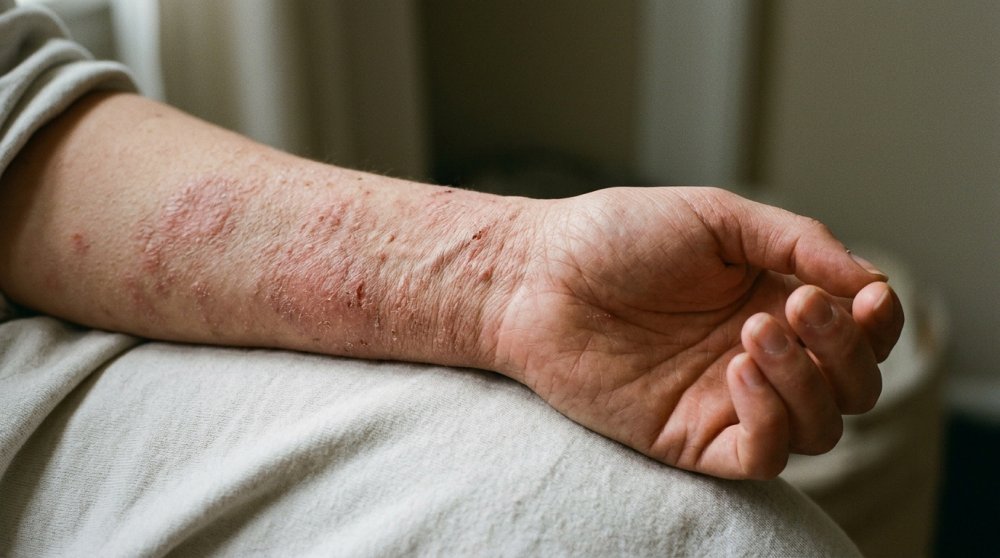
Atopic dermatitis, commonly known as eczema, affects approximately 16.5 million adults in the United States. The chronic inflammatory skin condition causes intense itching, redness, and dry patches that can appear anywhere on the body. But beyond the medical diagnosis lies a daily reality many patients never anticipated: facing blame for their own suffering.
The urge to scratch isn’t a matter of willpower or self-control. Research shows that the itch-scratch cycle in atopic dermatitis involves complex neurological pathways. When inflammation triggers nerve endings in the skin, the resulting itch sensation creates an almost irresistible biological imperative to scratch.
“People don’t understand that telling someone with eczema not to scratch is like telling someone not to blink,” explains a common sentiment among dermatology support communities. The comparison highlights the involuntary nature of the response.
Many patients report encountering well-meaning but harmful advice from strangers, coworkers, and even family members. Comments range from suggestions to “just stop scratching” to assumptions about poor hygiene or lifestyle choices. These interactions compound the psychological toll of living with a visible chronic condition.
The mental health impact of atopic dermatitis extends far beyond physical discomfort. Studies indicate that patients with moderate to severe atopic dermatitis experience rates of anxiety and depression comparable to those with other chronic diseases. Sleep disruption caused by nighttime itching further affects emotional wellbeing and daily functioning.
Traditional treatment approaches have focused primarily on managing inflammation through topical steroids and moisturizers. While these remain important tools, newer therapeutic options address the underlying immune dysfunction. Biologics and targeted therapies can help break the itch-scratch cycle at its source.
Healthcare providers increasingly recognize the importance of addressing both physical and emotional aspects of atopic dermatitis care. Comprehensive treatment plans now often include psychological support alongside medical interventions.
Building awareness about the realities of living with atopic dermatitis benefits everyone. When communities understand that skin conditions aren’t choices or failures of willpower, patients face less stigma. This shift in perspective creates space for compassion rather than judgment.
For those newly diagnosed, connecting with others who share similar experiences provides invaluable support. Patient advocacy groups and online communities offer resources, coping strategies, and the reassurance that comes from knowing you’re not alone in the struggle.
The journey with atopic dermatitis looks different for each person. Severity varies, triggers differ, and treatment responses are highly individual. What remains constant is the need for patience, both from patients themselves and from those around them.
Moving forward requires changing the narrative around chronic skin conditions. Instead of blame, patients deserve understanding. Instead of unsolicited advice, they need support. And instead of shame, they merit the same compassion extended to those with any other chronic health challenge.
As medical science continues advancing treatment options, the hope is that social understanding will advance alongside it, creating a world where no one faces judgment for symptoms beyond their control.
