Health
What Really Happens After an HIV Diagnosis

Health Points
- Modern HIV treatment can reduce viral load to undetectable levels, preventing transmission and allowing people to live normal lifespans
- Initial diagnosis involves confirming tests and baseline health assessments to create a personalized treatment plan
- Support systems including healthcare teams, counselors, and community resources play crucial roles in successful long-term management
Receiving a human immunodeficiency virus (HIV) diagnosis can feel overwhelming, but medical advances over the past four decades have transformed this condition from a terminal illness into a manageable chronic health condition. Understanding what comes next can help ease anxiety and empower individuals to take control of their health journey.
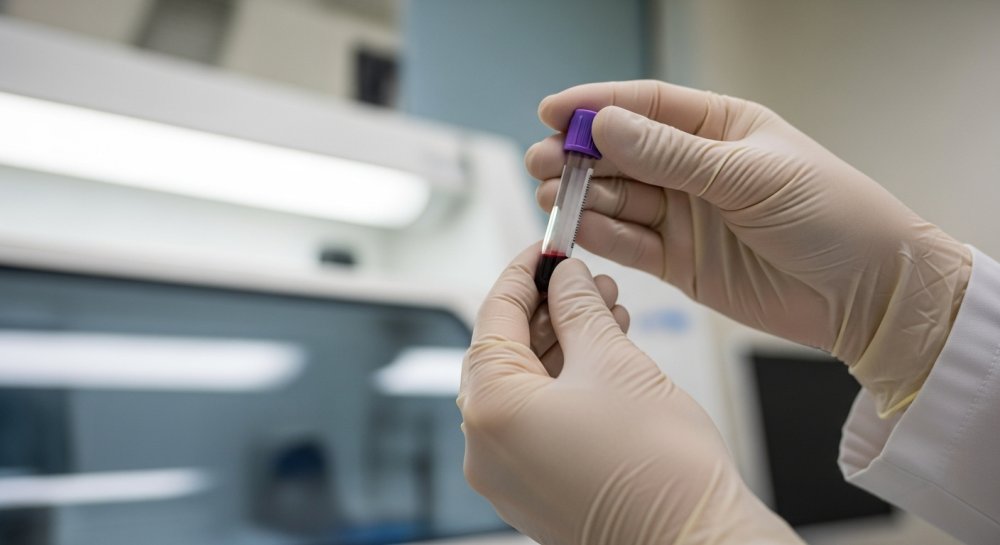
The diagnosis process typically begins with screening tests that detect HIV antibodies or antigens in the blood. If initial results indicate potential infection, healthcare providers perform confirmatory tests to verify the diagnosis and determine the specific type and viral load. These additional tests provide critical baseline information that guides treatment decisions.
Modern antiretroviral therapy (ART) has revolutionized HIV care. When taken consistently as prescribed, these medications suppress the virus to undetectable levels in the bloodstream. This achievement has profound implications—people with undetectable viral loads cannot transmit HIV to sexual partners, a principle known as U=U (undetectable equals untransmittable).
Following diagnosis, patients work closely with infectious disease specialists or HIV-focused healthcare providers to establish a comprehensive treatment plan. Initial appointments include blood work to assess CD4 cell counts, which measure immune system strength, and viral load tests to determine how much virus is present in the body. These baseline measurements help doctors select the most appropriate medication regimen.
The emotional impact of an HIV diagnosis should not be underestimated. Many newly diagnosed individuals experience feelings of fear, shame, or isolation. Mental health support through counseling or support groups provides valuable tools for processing these emotions and developing healthy coping strategies. Faith communities and family support networks also offer important sources of strength during this transition.
Treatment typically involves taking one or more antiretroviral medications daily. Modern regimens have become increasingly simplified, with some patients taking just one pill per day. Adherence to the medication schedule remains crucial—consistent use prevents the virus from developing drug resistance and maintains viral suppression.
Regular medical monitoring forms an essential component of HIV care. Patients typically see their healthcare providers every three to six months for check-ups that include viral load testing, CD4 counts, and screenings for other health conditions. These appointments allow doctors to confirm that treatment remains effective and adjust medications if needed.
The financial aspects of HIV care deserve careful attention. Antiretroviral medications can be expensive, but numerous assistance programs help ensure access regardless of economic circumstances. Patient assistance programs, state AIDS Drug Assistance Programs (ADAPs), and insurance coverage options make treatment affordable for most patients. Healthcare navigators can help identify available resources.
Disclosure decisions—choosing whom to tell about an HIV diagnosis—represent deeply personal choices. While healthcare providers, sexual partners, and needle-sharing partners should be informed, individuals have legal protections regarding medical privacy in other contexts. Counselors can help navigate these sensitive conversations and decisions.
Living well with HIV extends beyond medication adherence. Maintaining overall health through balanced nutrition, regular exercise, adequate sleep, and stress management supports immune function and general wellbeing. Avoiding tobacco and limiting alcohol consumption further protect long-term health outcomes.
Preventive care takes on added importance for people with HIV. Vaccinations against preventable illnesses, regular dental care, and age-appropriate cancer screenings help maintain optimal health. Women with HIV need consistent gynecological care, including Pap smears and HPV monitoring.
The landscape of HIV care continues advancing rapidly. Newer medications offer improved side effect profiles and greater convenience. Long-acting injectable treatments, administered every few months rather than daily, provide alternatives for some patients. Research into potential cures and vaccines continues progressing.
Family planning remains entirely possible for people with HIV. With proper medical guidance and viral suppression, individuals can have children without transmitting the virus. Conception options, prenatal care, and delivery planning have evolved to protect both mothers and babies effectively.
Building a strong support network enhances quality of life significantly. Whether through peer support groups, online communities, or trusted friends and family members, connecting with others who understand the experience reduces isolation and provides practical guidance.
An HIV diagnosis, while life-changing, no longer defines or limits lifespan the way it once did. With appropriate medical care, strong support systems, and commitment to treatment, people with HIV live full, healthy lives well into old age. The key lies in taking that crucial first step—engaging with healthcare providers and beginning the journey toward viral suppression and optimal wellness.
