Health
Women Discover Unexpected Benefits in Cold Water Therapy

Health Points
- Cold water immersion may support mood regulation and stress resilience in women over 40
- Research suggests brief cold exposure can boost circulation and reduce inflammation naturally
- Starting gradually with cool showers helps build tolerance safely before attempting full cold plunges
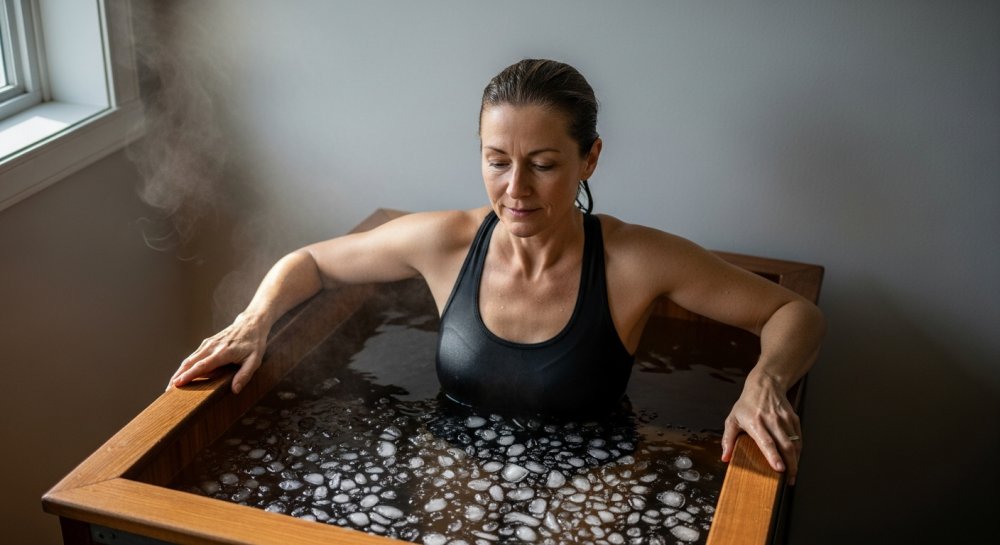
Cold water therapy has quietly transitioned from a niche wellness practice to a routine embraced by everyday women seeking natural approaches to health. What began as a recovery tool for professional athletes has found new life among women navigating the physical changes that come with midlife and beyond.
The practice involves brief immersion in water typically between 50 and 59 degrees Fahrenheit. While the initial shock can feel daunting, proponents report a sense of mental clarity and physical invigoration that extends well beyond the plunge itself.
Research from several European universities has documented measurable changes in stress hormones following regular cold exposure. Studies indicate that controlled cold immersion may activate the body’s natural anti-inflammatory responses, potentially offering relief for joint discomfort and chronic pain conditions that become more common with age.
Women in their 40s, 50s, and 60s are discovering that cold water therapy aligns well with a holistic approach to aging. The practice doesn’t require expensive equipment or gym memberships—many start with progressively cooler showers at home before investing in dedicated cold plunge tubs or seeking natural cold water sources.
Dr. Sarah Mitchell, a functional medicine practitioner specializing in women’s health, has observed the trend firsthand among her patients.
“We’re seeing women report improved sleep quality and better mood stability after incorporating cold exposure into their weekly routines. The key is consistency and starting gradually.”
The physiological response to cold water involves activation of the vagus nerve, which plays a central role in the body’s rest-and-digest system. This activation may help explain why many practitioners report feeling calmer and more centered after their cold water sessions.
For women managing hot flashes and temperature regulation challenges associated with hormonal changes, the practice offers an interesting paradox. Regular cold exposure appears to help the body become more adaptable to temperature fluctuations overall, potentially reducing the intensity of heat-related discomfort.
Safety considerations remain important, particularly for those with cardiovascular concerns or respiratory conditions. Medical professionals recommend consultation before beginning any cold water protocol, especially for individuals managing chronic health conditions or taking certain medications.
The community aspect has proven equally valuable. Women’s cold plunge groups have emerged in cities across the country, creating supportive environments where participants encourage one another through the initial discomfort. These gatherings often extend beyond the water, fostering connections around shared wellness goals.
Jennifer Thompson, 52, tried her first cold plunge six months ago after years of struggling with afternoon energy crashes.
“I was skeptical at first, but the mental boost is undeniable. I feel more alert and focused for hours afterward, and my joint stiffness has noticeably improved.”
The practice requires minimal time investment—most protocols recommend sessions lasting between two and five minutes. This brevity makes cold water therapy accessible for busy schedules, fitting easily into morning routines before work or family obligations.
Emerging research also points to potential benefits for immune function. Regular cold exposure appears to stimulate white blood cell production, though scientists caution that more long-term studies are needed to fully understand these effects in diverse populations.
For women concerned about skin health, cold water offers traditional benefits that grandmothers have long recognized. The practice may help tighten pores, reduce puffiness, and promote a healthy glow by increasing blood flow to the skin’s surface.
The mental resilience aspect deserves particular attention. Voluntarily subjecting oneself to controlled discomfort builds a unique form of confidence that many women report carries over into other life challenges. The practice becomes a daily reminder of personal strength and capability.
Cost-effective options abound for those interested in exploring cold water therapy. While dedicated cold plunge tubs can range from several hundred to several thousand dollars, large stock tanks used for livestock offer an affordable alternative. Some women simply fill their bathtubs with cold water and ice, creating an effective home setup for minimal investment.
Natural settings provide another appealing option for cold water immersion. Lakes, rivers, and ocean waters offer the added benefits of nature connection, though safety precautions and awareness of water conditions remain essential.
As with any wellness practice, individual experiences vary widely. What works remarkably well for one person may feel less beneficial for another, making personal experimentation and attentive listening to one’s body crucial components of finding the right approach.
The growing body of scientific evidence supporting cold water therapy continues to validate what practitioners have experienced firsthand. Women seeking natural, empowering approaches to health maintenance are finding that sometimes the simplest interventions—like immersing in cold water—can yield profound and lasting benefits.
