Nutrition
The Eight Breads a Leading Dietitian Keeps in Her Kitchen Year-Round

Health Points
- Whole grain breads provide essential fiber, B vitamins, and minerals that support digestive health and sustained energy levels throughout the day
- Sprouted grain varieties offer enhanced nutrient absorption and easier digestion compared to traditional wheat bread
- Reading nutrition labels carefully helps identify truly healthy options, with at least 3 grams of fiber and whole grains listed as the first ingredient
For health-conscious adults navigating the bread aisle, the sheer number of options can feel overwhelming. From artisan sourdough to gluten-free alternatives, each package promises nutritional benefits that may or may not deliver on their claims.
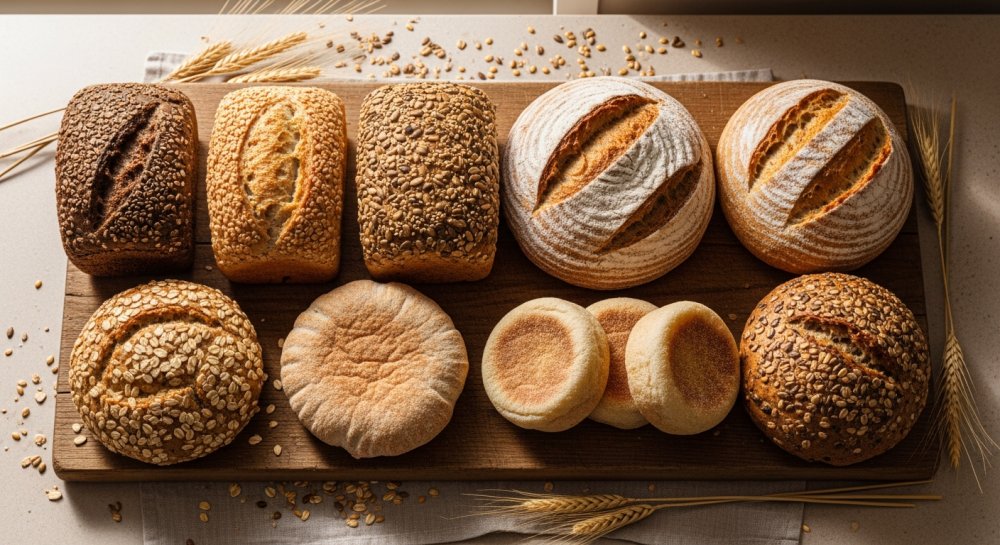
A registered dietitian has identified eight varieties that stand above the rest for those seeking both flavor and genuine health benefits. The selections prioritize whole grains, nutrient density, and practical everyday use for families who want bread that supports their wellness goals without sacrificing taste.
Why Whole Grains Matter After 40
The foundation of healthy bread starts with understanding what makes whole grains superior to their refined counterparts. Unlike white bread made from processed flour, whole grain options retain all three parts of the grain kernel—the bran, germ, and endosperm.
This structural completeness delivers substantially more fiber, which becomes increasingly important as we age. Adequate fiber intake supports digestive regularity, helps manage cholesterol levels, and promotes stable blood sugar—all critical factors for maintaining vitality in midlife and beyond.
Registered dietitian nutritionists emphasize that the body processes whole grains differently than refined carbohydrates. The fiber content slows digestion, preventing the blood sugar spikes and subsequent crashes that leave you reaching for another snack within an hour.
100% Whole Wheat: The Reliable Foundation
Traditional whole wheat bread earns its place as a pantry staple for good reason. When the ingredient list shows “100% whole wheat flour” as the first item, you’re getting a product that preserves the grain’s natural nutritional profile.
Each slice typically provides 3-5 grams of fiber along with B vitamins, iron, and magnesium. These nutrients work together to support energy production at the cellular level—particularly valuable for adults managing busy schedules and family responsibilities.
The key distinction lies in reading labels carefully. Products labeled simply as “wheat bread” or “multigrain” may still contain primarily refined flour with minimal whole grain content.
Sprouted Grain Bread: Enhanced Absorption
Sprouted grain varieties have gained recognition among nutrition professionals for their unique processing method. The sprouting process begins germinating the grains before milling, which activates enzymes that break down some of the grain’s natural compounds.
This pre-digestion makes nutrients more bioavailable, meaning your body can absorb and utilize them more efficiently. For individuals who experience mild digestive discomfort with traditional whole wheat bread, sprouted options often prove gentler on the system.
Popular brands using this method typically combine multiple sprouted grains and legumes, creating a complete protein profile unusual in plant-based foods. This makes sprouted grain bread particularly valuable for those reducing animal protein intake.
Whole Grain Sourdough: Traditional Fermentation Benefits
Authentic sourdough made with whole grain flour combines ancient fermentation techniques with modern nutritional wisdom. The natural fermentation process involves wild yeast and beneficial bacteria that partially break down gluten and other grain proteins during the lengthy rising period.
This bacterial activity produces lactic acid, which lowers the bread’s glycemic index compared to conventional whole wheat bread. The result is an even more gradual release of glucose into the bloodstream after eating.
Many people who experience sensitivity to commercial yeast breads find properly fermented sourdough easier to digest. The fermentation process also enhances the availability of minerals like iron, zinc, and magnesium.
Whole Grain Rye: Distinctive Nutrition Profile
Rye bread made from whole grain rye flour offers a nutrient composition distinct from wheat-based options. Rye contains higher levels of certain bioactive compounds, including lignans and phenolic acids, which function as antioxidants in the body.
Research indicates that rye fiber may be particularly effective at promoting feelings of fullness compared to wheat fiber. This satiety effect can support healthy weight management—a concern that becomes more challenging as metabolism naturally slows with age.
Dense, dark rye varieties common in European traditions provide robust flavor alongside impressive fiber counts, often delivering 4-6 grams per slice. Lighter rye breads may contain a mixture of rye and wheat flours, so checking ingredient ratios ensures you’re getting genuine whole grain rye.
Oat Bread: Heart-Healthy Soluble Fiber
Breads incorporating significant amounts of whole oats bring a specific type of soluble fiber called beta-glucan to the table. This particular fiber has earned FDA recognition for its ability to help reduce LDL cholesterol levels when consumed as part of a diet low in saturated fat.
Oat-based breads tend to have a softer texture and mildly sweet flavor that appeals to those who find traditional whole wheat too dense. They work particularly well for breakfast toast or sandwiches where a gentler grain flavor is preferred.
Look for products listing oats or oat flour among the first ingredients rather than as a minor addition to primarily wheat-based dough. Some manufacturers add a small amount of oats for marketing appeal without delivering meaningful nutritional impact.
Whole Grain Gluten-Free Options: For Genuine Need
For individuals with celiac disease or confirmed non-celiac gluten sensitivity, quality gluten-free breads made from whole grains provide essential alternatives. The best options combine whole grain flours from sources like brown rice, quinoa, millet, and sorghum.
Not all gluten-free breads offer nutritional advantages, however. Many commercial varieties rely heavily on refined starches and lack the fiber and nutrients found in whole grain wheat breads.
Unless you have a medical reason to avoid gluten, traditional whole grain wheat breads typically provide superior nutrition and better value. The health halo surrounding gluten-free products often misleads consumers without genuine gluten-related disorders.
Whole Grain English Muffins and Pita: Versatile Alternatives
Bread doesn’t always come in sliced loaves. Whole grain English muffins and whole wheat pita bread offer the same nutritional benefits in different formats that expand meal possibilities.
English muffins made from 100% whole grain flour provide convenient portion control with their pre-divided structure. They toast beautifully and create satisfying breakfast sandwiches or afternoon snacks topped with nut butter and fruit.
Whole wheat pita bread serves as a vehicle for protein-rich fillings or torn into pieces for dipping in hummus and other Mediterranean-style spreads. The pocket structure makes pita particularly useful for packed lunches that travel well.
Decoding Nutrition Labels Effectively
Marketing claims on bread packaging frequently emphasize positive attributes while obscuring less desirable ingredients. Developing label-reading skills empowers you to identify genuinely nutritious options regardless of front-of-package messaging.
Start with the ingredient list, where items appear in descending order by weight. The first ingredient should be a whole grain flour—whole wheat, whole rye, whole oats, or similar.
Move to the nutrition facts panel and look for at least 3 grams of fiber per serving. Ideally, aim for 4-5 grams to maximize the digestive and metabolic benefits whole grains offer.
Sodium content deserves attention as well, since some breads contain surprisingly high amounts. Keeping sodium under 200 milligrams per slice helps maintain reasonable daily totals, particularly important for blood pressure management.
Storage and Freshness Considerations
Whole grain breads typically contain fewer preservatives than their refined counterparts, which means they require more careful storage to maintain freshness. The natural oils in the grain germ can turn rancid if bread sits too long at room temperature.
For bread you’ll consume within 3-4 days, a bread box or sealed bag at room temperature works well. Refrigeration extends shelf life but can alter texture, making bread slightly tougher.
Freezing represents the best long-term storage solution for whole grain breads. Slice before freezing if you haven’t already, then remove only what you need and toast directly from frozen.
This approach prevents waste while ensuring you always have nutritious bread options available. Many families keep multiple varieties frozen, rotating based on meals and preferences throughout the week.
Practical Integration Into Daily Meals
The healthiest bread is the one you’ll actually eat consistently. Even the most nutritious loaf provides no benefit sitting untouched in your freezer because it doesn’t match your taste preferences or lifestyle needs.
Start by identifying how bread currently functions in your routine. If you primarily make sandwiches for lunch, focus on finding a whole grain option that holds up well to fillings and travels in a lunch bag.
For breakfast toast enthusiasts, experiment with different whole grain varieties to discover which textures and flavors you genuinely enjoy. The transition from white bread may take some adjustment, but most people adapt within a week or two.
Remember that bread serves as a vehicle for other nutritious foods. Pairing whole grain bread with lean proteins, healthy fats from sources like avocado or nut butters, and plenty of vegetables creates balanced meals that sustain energy and satisfaction for hours.
