Health
This Citrus Giant Could Transform Your Health After 40

Health Points
- Pomelo offers powerful antioxidants that may reduce cellular damage and support healthy aging
- Rich in vitamin C and fiber, this citrus fruit supports immune function and digestive health
- Regular consumption may help maintain healthy blood pressure and cholesterol levels
If you’ve walked past an oversized, pale green fruit in the produce section and wondered what it was, you’ve likely encountered a pomelo. This citrus giant, roughly the size of a small basketball, deserves a place in your shopping cart — especially if you’re looking to boost your health naturally.
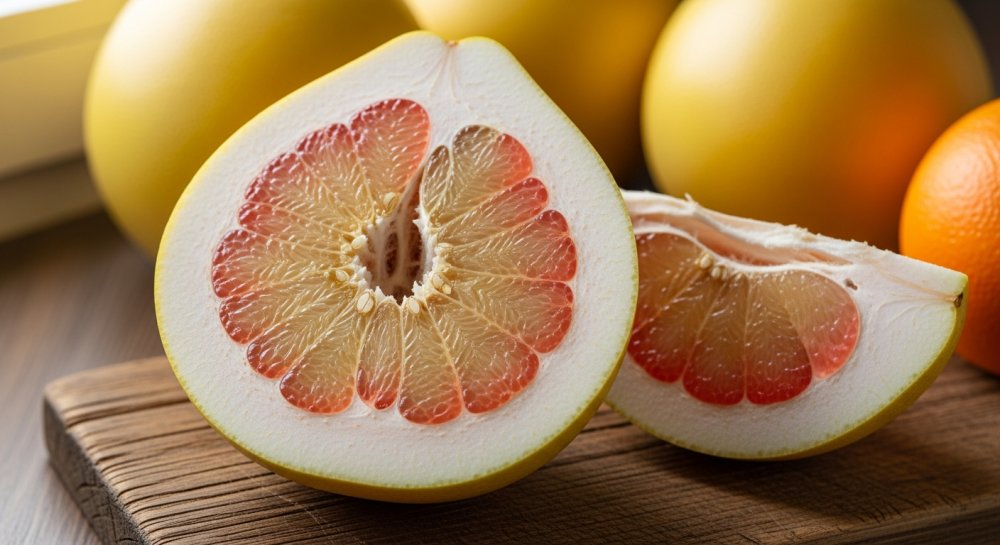
The pomelo stands as the largest member of the citrus family, native to Southeast Asia but now available in many American supermarkets. Its thick rind conceals sweet, slightly tart flesh that ranges from pale yellow to pink, depending on the variety.
What makes this fruit particularly valuable for those over 40 is its impressive nutritional profile. Pomelos pack substantial amounts of vitamin C, which becomes increasingly important as our immune systems age. A single serving provides more than 100% of the daily recommended intake.
The antioxidant content deserves special attention. Pomelos contain high levels of flavonoids and vitamin C, compounds that combat free radicals in the body. Free radicals contribute to cellular aging and various health concerns that become more prevalent with age.
Fiber content is another standout feature. One cup of pomelo sections delivers about 2 grams of dietary fiber, supporting digestive health and helping maintain stable blood sugar levels. For those managing weight or watching their caloric intake, pomelos offer satisfying sweetness at just 72 calories per cup.
Research suggests pomelo consumption may support cardiovascular health. The fruit contains compounds that appear to help maintain healthy cholesterol levels, though more studies are needed to confirm these effects. The potassium content also contributes to maintaining normal blood pressure ranges.
Beyond the physical benefits, pomelos offer practical advantages. The fruit stays fresh for weeks when properly stored, making it convenient for busy schedules. The thick rind, while requiring some effort to remove, protects the flesh and extends shelf life significantly.
Selecting a good pomelo involves looking for fruits that feel heavy for their size, indicating juiciness. The skin should give slightly when pressed but not feel soft. Green tinges are normal and don’t indicate unripeness — color varies by variety.
Preparing pomelo takes a few extra minutes compared to smaller citrus fruits, but the process is straightforward. Cut off the top and score the thick rind in sections, then peel it away. The membrane surrounding each segment is tougher than that of oranges or grapefruit, so many people prefer to remove it before eating.
The segments work well in salads, providing a sweet-tart contrast to savory ingredients. They also pair nicely with seafood dishes or can be enjoyed on their own as a refreshing snack. Some Asian cuisines incorporate pomelo into traditional recipes, from salads to desserts.
One caution: like grapefruit, pomelo can interact with certain medications, particularly some cholesterol-lowering statins and blood pressure medications. Anyone taking prescription drugs should consult their physician before adding pomelo to their regular diet.
For those seeking variety in their fruit intake or looking to maximize nutritional benefits, pomelo represents an excellent choice. Its combination of vitamins, antioxidants, and fiber addresses multiple aspects of health maintenance that become priorities as we age.
The fruit’s availability has expanded in recent years as American consumers have become more adventurous with international produce. Most well-stocked grocery stores now carry pomelos, particularly during winter months when they’re in peak season.
While pomelo may require a small learning curve for preparation, the health benefits and unique flavor profile make it worth the modest extra effort. For anyone committed to supporting their health through thoughtful food choices, this oversized citrus deserves serious consideration.
