Health
The Dementia Conversation Most Families Avoid Until It’s Too Late

Health Points
- Early recognition of memory changes and cognitive decline allows families to plan care and access resources sooner
- Experts recommend using compassion and patience when discussing dementia concerns, avoiding confrontation or harsh corrections
- Creating a supportive environment with simplified routines and familiar surroundings helps loved ones maintain dignity and independence longer
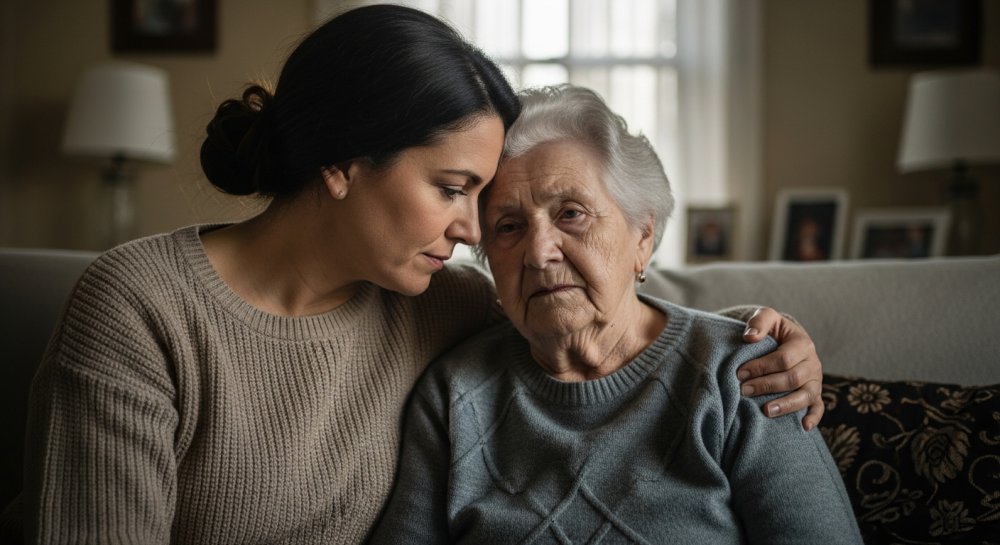
When a family member begins showing signs of memory loss or confusion, many Americans face one of the most difficult conversations of their lives. Health experts say approaching this delicate situation with the right mindset can make all the difference for everyone involved.
Dr. Mary Sano, director of the Alzheimer’s Disease Research Center at Mount Sinai, explains that early intervention provides crucial benefits. “The earlier you recognize changes in thinking and memory, the more time you have to plan, access support services, and potentially benefit from treatments that may slow progression,” she notes.
Recognizing the warning signs represents the critical first step. Forgetting recent conversations, struggling with familiar tasks, misplacing items frequently, or showing changes in judgment and decision-making all warrant attention. Personality shifts and withdrawal from social activities can also signal underlying cognitive changes.
Families should approach these concerns with compassion rather than confrontation. Dr. Sano recommends choosing a calm, private moment for initial discussions. “Frame your concerns from a place of love and support,” she advises.
“You might say, ‘I’ve noticed you’ve been forgetting appointments lately, and I’m worried about you. Can we talk to the doctor together?'”
Healthcare professionals emphasize that arguing about memory lapses or repeatedly correcting mistakes typically backfires. Instead, validating your loved one’s feelings while gently guiding them toward help proves more effective. If they resist seeing a doctor, suggesting a routine checkup for other health concerns can open the door to cognitive screening.
Creating a supportive home environment becomes essential as cognitive challenges progress. Simplifying daily routines, maintaining consistent schedules, and reducing clutter help minimize confusion and anxiety. Familiar surroundings and cherished belongings provide comfort and connection to identity.
Many caregivers find that redirecting attention works better than direct contradiction when loved ones express confusion or false beliefs. If someone insists they need to go to work despite being retired for years, acknowledging their feelings before gently steering the conversation elsewhere preserves dignity while avoiding distress.
Dr. Sano highlights the importance of maintaining social connections and meaningful activities. “Keep your loved one engaged in activities they enjoy, adapted to their current abilities,” she recommends.
“Music, gentle exercise, time with family, and simple tasks that provide a sense of purpose all contribute to quality of life.”
Support extends beyond the person with dementia to encompass the entire family. Caregiving demands take significant physical and emotional tolls. Respite care, support groups, and counseling services provide essential relief and guidance for those navigating this challenging journey.
Financial and legal planning should begin early while your loved one can still participate in decisions. Discussing wishes for future care, establishing power of attorney, and organizing important documents prevent crisis decision-making later. These conversations, though difficult, honor your family member’s autonomy and values.
Healthcare experts stress that patience remains the foundation of effective dementia care. Cognitive decline follows different patterns for each individual, and what works today may need adjustment tomorrow. Flexibility and acceptance help families adapt to changing needs while preserving relationships.
Community resources including the Alzheimer’s Association, local Area Agencies on Aging, and faith-based organizations offer practical assistance and emotional support. Many families report that connecting with others facing similar challenges reduces isolation and provides valuable coping strategies.
The journey through dementia care tests family bonds, but approaching it with love, preparation, and support makes the path more manageable. By recognizing signs early, communicating with compassion, and accessing available resources, families can focus on what matters most—maintaining connection and dignity for their loved one while caring for themselves.
