Health
The Painful Truth About ACL Tears That Athletes Don’t Talk About

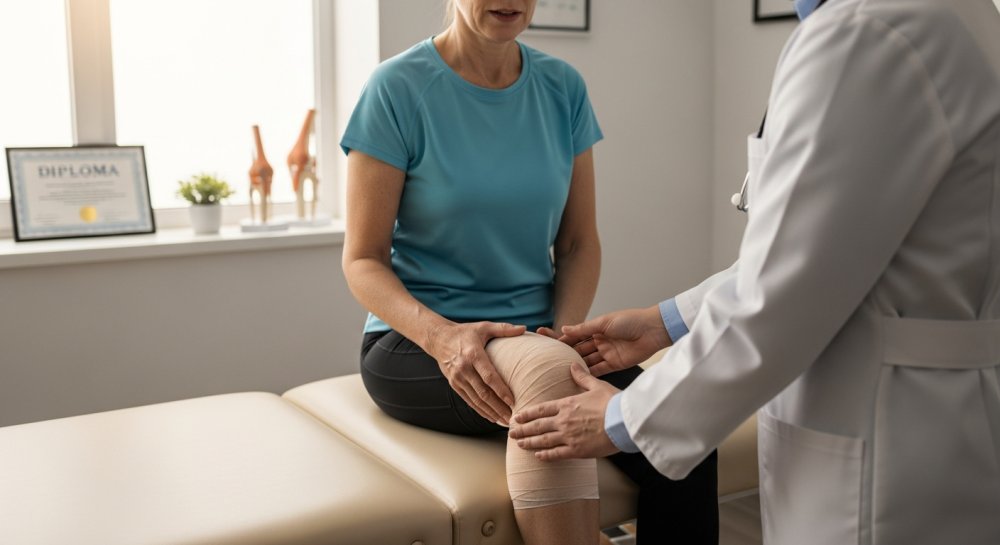
Health Points
- The ACL is one of four major knee ligaments that keeps your leg stable during movement and sudden direction changes
- ACL tears often require surgical reconstruction followed by months of physical therapy, though some patients can recover without surgery
- Women face a two to eight times higher risk of ACL injury compared to men due to anatomical and hormonal factors
For active Americans over 40, few injuries inspire more dread than an ACL tear. This common yet debilitating knee injury can sideline even the fittest individuals for months, requiring extensive rehabilitation and sometimes surgery.
The anterior cruciate ligament (ACL) is one of four major ligaments stabilizing the knee joint. Located deep inside the knee, it connects the thighbone to the shinbone and prevents the lower leg from sliding too far forward during movement.
Dr. Emily Kraus, a sports medicine physician at Stanford Medicine, explains the ligament’s critical function.
“The ACL is essential for maintaining knee stability during activities that involve pivoting, sudden stops, or changes in direction.”
ACL tears typically occur during athletic activities involving quick pivots, sudden stops, or awkward landings. Basketball, soccer, football, and skiing are particularly high-risk sports. The injury often happens without any direct contact to the knee itself.
When the ACL tears, most people report hearing or feeling a distinct “pop” in the knee. Rapid swelling usually develops within hours, accompanied by severe pain and an inability to bear weight on the affected leg.
Dr. Robert Marx, an orthopedic surgeon at Hospital for Special Surgery in New York, describes the typical presentation.
“Patients frequently describe a sensation of the knee giving out or feeling unstable, even after the initial pain subsides.”
Diagnosis involves a physical examination where doctors test knee stability through specific movements. MRI scans confirm the extent of the tear and identify any additional damage to surrounding structures like the meniscus or other ligaments.
Treatment options depend on several factors including age, activity level, and the severity of the tear. Not everyone requires surgery—some patients, particularly those with partial tears or lower activity demands, can successfully recover through physical therapy alone.
For active individuals and athletes, surgical reconstruction is typically recommended. The damaged ligament cannot heal on its own, so surgeons replace it with a graft, usually taken from the patient’s own hamstring tendon or patellar tendon.
Dr. James Andrews, a renowned orthopedic surgeon who has treated numerous professional athletes, emphasizes the importance of proper rehabilitation.
“Surgery is only half the battle. The real work happens during the six to nine months of rehabilitation that follows.”
Recovery timelines vary, but most patients require six to twelve months before returning to full athletic activity. Physical therapy focuses on restoring range of motion, rebuilding muscle strength, and retraining neuromuscular control to prevent re-injury.
Research shows women face significantly higher ACL injury rates than men—anywhere from two to eight times greater risk depending on the sport. Several factors contribute to this disparity, including anatomical differences in hip and knee alignment, hormonal influences on ligament laxity, and variations in neuromuscular control patterns.
Prevention programs focusing on proper landing mechanics, strengthening exercises, and balance training have shown promise in reducing ACL injury rates, particularly among female athletes.
Dr. Laura Huston, a researcher who has studied ACL injuries extensively, advocates for proactive prevention efforts.
“We know that targeted training programs can reduce ACL injury risk by 50% or more in high-risk populations.”
For those over 40, maintaining strong leg muscles and good flexibility becomes increasingly important for protecting the knees during physical activity. Lower-impact exercises like swimming, cycling, and strength training can help maintain fitness while reducing injury risk.
The good news is that with proper treatment and rehabilitation, most people can return to their previous activity levels after an ACL tear. Success requires patience, dedication to physical therapy, and realistic expectations about recovery timelines.
Understanding your ACL and how to protect it represents an important part of maintaining an active, healthy lifestyle well into your later years.
