Nutrition
Six Surprising Ways This Summer Berry Protects Your Heart and Brain

Health Points
- Raspberries contain powerful antioxidants that reduce inflammation and protect against chronic disease
- Just one cup provides 8 grams of fiber, supporting digestive health and blood sugar control
- Regular consumption may lower risk of heart disease, cognitive decline, and certain cancers
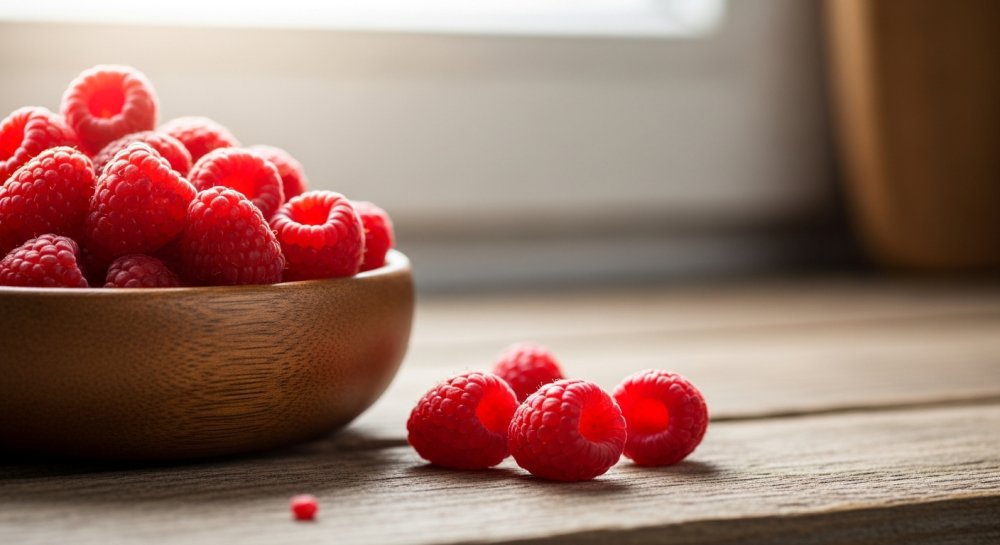
The vibrant red berries filling farmers’ markets this season deliver far more than sweet summer flavor. Raspberries pack an impressive nutritional punch that scientists say rivals some of the most celebrated superfoods on grocery shelves.
These delicate fruits contain remarkable concentrations of vitamins, minerals, and plant compounds that work together to protect the body’s most vital systems. From supporting heart function to sharpening memory, the benefits extend well beyond what most Americans realize when they toss a handful onto their morning oatmeal.
“Berries in general are nutritional powerhouses, but raspberries stand out for their unique combination of fiber and antioxidants,” explains registered dietitian Sarah Mitchell, who specializes in therapeutic nutrition for adults over 40.
“What makes them particularly valuable is how accessible they are—fresh, frozen, or even freeze-dried raspberries retain most of their beneficial properties.”
A single cup of raspberries contains just 64 calories yet delivers 8 grams of fiber—nearly one-third of the daily recommended intake for adults. That fiber content surpasses most other popular fruits, creating a sustained feeling of fullness that naturally supports healthy weight management without restrictive dieting.
The same serving provides 54% of the daily vitamin C requirement, a nutrient essential for immune function and skin health. Raspberries also supply manganese, a mineral that plays crucial roles in bone formation and blood sugar regulation, along with vitamin K for proper blood clotting.
Perhaps most impressive are the anthocyanins—the pigments responsible for raspberries’ deep red color. These compounds function as potent antioxidants, neutralizing harmful free radicals that damage cells and accelerate aging. Research links regular anthocyanin consumption to reduced inflammation throughout the body.
“Chronic inflammation underlies most age-related diseases, from arthritis to Alzheimer’s,” Mitchell notes.
“The anti-inflammatory effects of compounds in raspberries may help slow or prevent these conditions when combined with an overall healthy lifestyle.”
Multiple studies demonstrate raspberries’ cardiovascular benefits. The fiber, potassium, and polyphenols work synergistically to lower blood pressure and reduce LDL cholesterol—the “bad” cholesterol that accumulates in arterial walls. One study found that adults who consumed berries regularly showed improved blood vessel function within just a few weeks.
The berry’s impact on blood sugar regulation offers particular promise for the millions of Americans managing prediabetes or type 2 diabetes. Despite their natural sweetness, raspberries have a low glycemic index, meaning they don’t cause the rapid blood sugar spikes associated with many other fruits and desserts.
Research published in nutritional science journals shows that the polyphenols in raspberries may actually improve insulin sensitivity, helping cells respond more effectively to this critical hormone. Some studies suggest that consuming raspberries with higher-carbohydrate meals can moderate the overall glycemic response.
Emerging research points to cognitive benefits as well. The same antioxidants that protect the heart appear to shield brain cells from oxidative stress and inflammation—two factors implicated in age-related memory decline and dementia.
“We’re seeing increasingly strong evidence that berry consumption is associated with better cognitive performance as we age,” Mitchell says.
“While we can’t say raspberries prevent Alzheimer’s, the data suggests they’re part of a brain-healthy dietary pattern.”
The ellagic acid in raspberries has attracted attention from cancer researchers. Laboratory studies indicate this compound may help prevent cancer cell growth and trigger death of abnormal cells. While human trials remain limited, population studies show that people who eat berries regularly tend to have lower rates of certain cancers, particularly those affecting the digestive system.
For those concerned about pesticide exposure, raspberries typically contain lower residue levels than many other popular fruits. Still, nutrition experts recommend choosing organic when possible and always washing berries thoroughly before consumption.
Fresh raspberries spoil quickly, making frozen varieties a practical year-round option. The freezing process occurs at peak ripeness, actually preserving most nutrients effectively. Frozen raspberries work perfectly in smoothies, baked goods, or thawed as toppings.
Beyond eating them plain or in traditional desserts, raspberries add nutritional value to savory dishes. Try tossing them into salads with mixed greens and goat cheese, blending them into vinaigrettes, or using them as a tangy complement to grilled chicken or pork.
“The versatility of raspberries makes it easy to incorporate them into your diet multiple times per week,” Mitchell advises.
“Aim for at least three servings of mixed berries weekly to maximize the health benefits we’re seeing in the research.”
While raspberries offer impressive benefits, they work best as part of a varied, balanced diet rich in different fruits, vegetables, whole grains, and lean proteins. No single food provides complete protection against disease, but raspberries certainly earn their place among the most nutritious choices available.
For Americans navigating confusing and often contradictory nutrition advice, raspberries represent a simple, evidence-based addition to meals that delivers measurable health benefits without requiring dramatic dietary overhauls or expensive supplements. Their combination of flavor, nutrition, and accessibility makes them an ideal choice for those committed to aging well through practical, sustainable food choices.
