Nutrition
What Happens When You Accidentally Eat Moldy Bread

Health Points
- Eating moldy bread can expose you to harmful mycotoxins that may cause allergic reactions or respiratory issues
- Mold spreads deeper than visible spots through bread’s porous structure, making it unsafe to simply cut away affected areas
- Storing bread properly in cool, dry conditions and consuming it within recommended timeframes prevents mold growth
Most of us have reached for a slice of bread only to discover an unwelcome fuzzy surprise. While the temptation to simply tear off the moldy section and toast the rest might seem practical, nutrition experts warn this common kitchen shortcut could put your health at risk.
The question of whether moldy bread is safe to eat has a clearer answer than many realize. Understanding what’s happening beneath those visible spots can help protect you and your family from potential health complications.
The Hidden Danger Lurking in Your Loaf
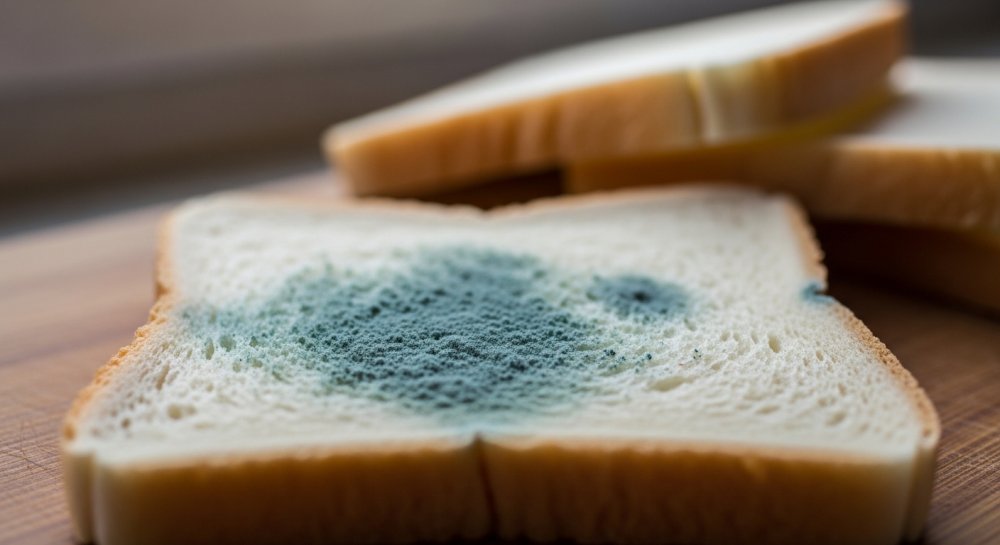
When mold appears on bread, what you see on the surface represents only a fraction of the problem. The fuzzy green or white patches are merely the reproductive structures of the fungus, while invisible threadlike roots called hyphae penetrate deep into the bread’s porous interior.
These microscopic invaders produce mycotoxins—toxic compounds that can trigger a range of health issues. For most healthy adults, small exposures may cause mild symptoms, but individuals with compromised immune systems, allergies, or respiratory conditions face more serious risks.
Registered dietitians emphasize that bread’s soft, airy texture makes it particularly vulnerable to mold infiltration. Unlike hard cheeses or firm vegetables where mold may be confined to the surface, bread’s structure allows fungal growth to spread far beyond what’s visible to the naked eye.
When Cutting Away Mold Isn’t Enough
The United States Department of Agriculture maintains clear guidelines: moldy soft foods, including bread, should be discarded entirely. The temptation to salvage seemingly unaffected portions ignores the reality of how mold colonizes porous foods.
Even if adjacent slices appear pristine, mold spores and mycotoxins may have already migrated through the loaf. Toasting or heating contaminated bread won’t eliminate these toxins, as many remain heat-stable and survive typical cooking temperatures.
Health experts note that while accidentally consuming a small amount of moldy bread is unlikely to cause serious harm in healthy individuals, intentionally eating it represents an unnecessary risk. Symptoms can range from nausea and digestive upset to allergic reactions and respiratory problems.
Protecting Your Bread Investment
Prevention remains the most effective strategy for avoiding moldy bread. Proper storage practices can significantly extend shelf life while maintaining food safety.
Store bread in cool, dry locations away from direct sunlight and moisture. While refrigeration slows mold growth, it can also accelerate staling, making freezing the better option for long-term storage of bread you won’t consume within a few days.
Check expiration dates before purchasing, and buy only quantities your household can reasonably consume within the recommended timeframe. Whole grain and preservative-free breads typically have shorter shelf lives than commercially processed varieties.
When mold appears, dispose of the entire loaf in a sealed bag to prevent spores from spreading to other foods. Clean any containers or bread boxes that housed the contaminated product before storing fresh bread.
Special Considerations for Vulnerable Groups
Pregnant women, young children, elderly individuals, and those with weakened immune systems should exercise particular caution. For these populations, even minor mold exposure carries elevated risks of infection or allergic response.
People with mold allergies or asthma may experience respiratory symptoms merely from handling moldy bread. If you notice mold, avoid inhaling spores by carefully removing the item without shaking or disturbing it excessively.
The bottom line from nutrition professionals remains consistent: when in doubt, throw it out. The minimal cost of replacing a loaf of bread pales in comparison to potential medical expenses or the discomfort of foodborne illness.
While modern food safety standards and preservation techniques have reduced many historical health threats, basic kitchen wisdom still applies. Respecting food spoilage signs represents both good stewardship and sensible health protection for American families.
