Nutrition
The Surprising Way This Common Vegetable May Transform Your Health After 40

Health Points
- Cabbage delivers exceptional nutrition with only 22 calories per cup while providing fiber, vitamin C, and powerful plant compounds
- Regular consumption may support digestive health, heart function, and natural inflammation management
- Multiple preparation methods—from raw to fermented—offer distinct health advantages for mature adults
For generations, cabbage has earned its place as a dietary staple in households across America, yet many adults over 40 may not realize the remarkable health benefits this humble vegetable offers when consumed regularly.
This cruciferous powerhouse delivers substantial nutritional value while remaining budget-friendly and versatile in the kitchen. With only 22 calories per cup of raw chopped cabbage, it provides an impressive array of vitamins, minerals, and beneficial plant compounds that support multiple aspects of health as we age.
The nutritional profile of cabbage stands out among common vegetables. A single cup serving delivers more than half the recommended daily vitamin C intake, supporting immune function and skin health—both increasingly important concerns for those navigating their 40s, 50s, and beyond. The vegetable also provides vitamin K, which plays a crucial role in bone health and proper blood clotting, along with folate, manganese, and vitamin B6.
Perhaps most notably for mature adults, cabbage contains significant amounts of dietary fiber. This soluble and insoluble fiber supports digestive regularity, a benefit that becomes more valuable with age. The fiber content also contributes to feelings of fullness, which may assist with healthy weight management—a common health goal for many in this age group.
Beyond basic nutrition, cabbage contains powerful antioxidant compounds called glucosinolates. When cabbage is chopped, chewed, or digested, these compounds break down into substances that researchers have studied for their potential protective properties. While more research continues, preliminary findings suggest these plant compounds may support the body’s natural defense systems.
The anti-inflammatory potential of cabbage deserves particular attention from health-conscious adults. Chronic low-grade inflammation has been linked to various age-related health concerns, from joint discomfort to cardiovascular issues. The anthocyanins found especially in red cabbage, along with other beneficial compounds, may help the body manage inflammation naturally.
Cardiovascular health represents another area where regular cabbage consumption may offer advantages. The vegetable contains potassium, which supports healthy blood pressure levels, while its fiber content may help maintain cholesterol within normal ranges. For Americans over 40, when heart health becomes an increasingly important focus, these benefits make cabbage a strategic dietary choice.
Digestive wellness improves significantly with regular cabbage intake. The vegetable’s fiber feeds beneficial gut bacteria, supporting a healthy microbiome. When consumed as sauerkraut or kimchi—fermented forms of cabbage—the benefits expand to include probiotics, the live beneficial bacteria that promote digestive balance and may even influence immune function.
The versatility of cabbage makes it easy to incorporate into daily eating patterns. Raw cabbage adds satisfying crunch to salads and slaws, preserving maximum vitamin C content. Lightly steaming or sautéing cabbage softens its texture while maintaining most nutrients. Fermented preparations offer probiotic benefits alongside the vegetable’s inherent nutritional value.
For those concerned about thyroid health, a topic of particular relevance to women over 40, it’s worth noting that cabbage and other cruciferous vegetables contain compounds called goitrogens. However, cooking significantly reduces these compounds, and moderate consumption as part of a varied diet poses minimal concern for most individuals with normal thyroid function.
Budget-conscious shoppers will appreciate that cabbage offers premium nutrition at an economical price point. A single head provides multiple servings and stores well in the refrigerator for weeks, making it a practical choice for meal planning. This accessibility ensures that quality nutrition remains available regardless of economic circumstances.
The preparation simplicity further enhances cabbage’s appeal for busy adults. Basic preparations require minimal time and culinary skill. A simple slaw takes minutes to assemble, while roasted cabbage steaks offer an elegant presentation with minimal effort. Even adding shredded cabbage to soups, stir-fries, or tacos increases nutritional value without complicated techniques.
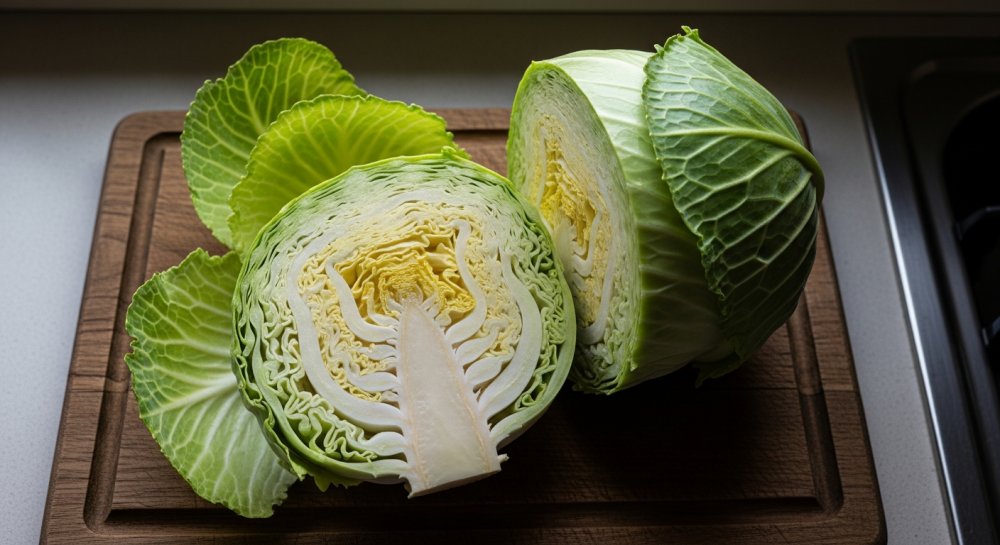
Different cabbage varieties offer subtle nutritional variations. Green cabbage remains the most common and economical option. Red or purple cabbage contains higher levels of anthocyanins, the compounds that give it color and provide enhanced antioxidant properties. Savoy cabbage, with its crinkled leaves, offers a more delicate texture that some prefer for fresh applications.
The traditional food wisdom of various cultures has long recognized cabbage’s value. From European sauerkraut to Korean kimchi, fermented cabbage preparations appear across global cuisines, suggesting an intuitive understanding of this vegetable’s health-supporting properties that modern research now confirms.
For optimal benefits, nutrition experts suggest incorporating cabbage multiple times weekly rather than consuming large amounts sporadically. This regular, moderate approach allows the body to benefit from cabbage’s nutrients and compounds consistently while avoiding potential digestive discomfort that very large servings might cause in those unaccustomed to high-fiber foods.
The evidence supporting cabbage as a valuable component of a health-promoting diet continues to grow. For Americans over 40 seeking to optimize their nutrition with whole, affordable foods, this unassuming vegetable offers a compelling combination of benefits—from supporting digestive and heart health to providing essential vitamins and beneficial plant compounds.
In an era of expensive supplements and complicated dietary protocols, cabbage stands as a reminder that some of the most powerful nutritional tools remain simple, accessible, and rooted in traditional food wisdom. Making this versatile vegetable a regular part of your eating pattern represents a practical, evidence-based step toward supporting long-term health and vitality.
