Nutrition
The Surprising Foods That Keep Hunger Away Without the Calories

Health Points
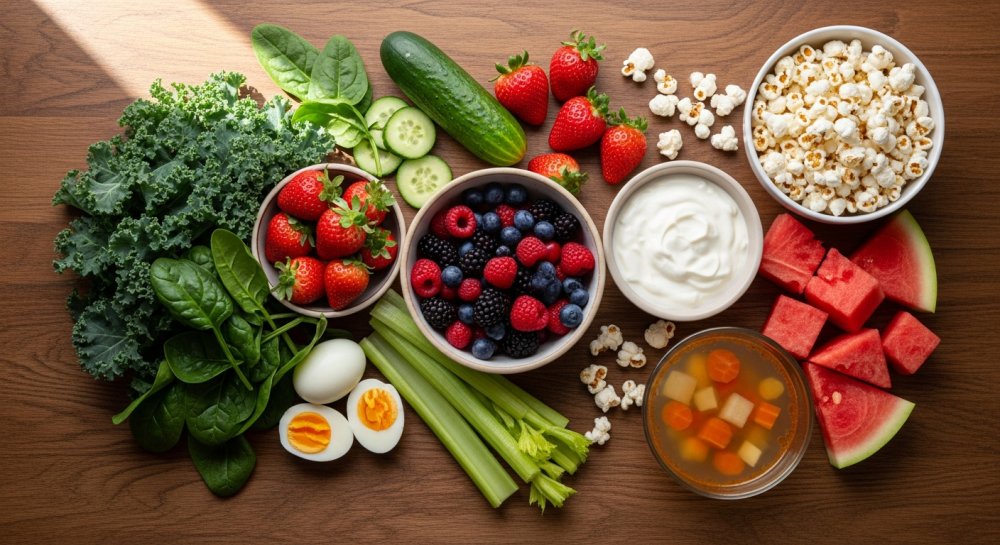
- Fiber-rich foods like leafy greens and berries can keep you satisfied longer while providing essential nutrients and very few calories
- Protein sources such as Greek yogurt and eggs trigger satiety hormones that help control appetite throughout the day
- High water-content foods including cucumbers and watermelon add volume to meals without adding significant calories
For Americans over 40 looking to maintain a healthy weight without constant hunger pangs, the secret isn’t deprivation—it’s choosing the right foods. Certain nutrient-dense options can help you feel satisfied while keeping calorie counts low, making it easier to stick with healthy eating habits for the long term.
The key lies in understanding how different foods interact with our body’s natural hunger and fullness signals. Foods high in fiber, protein, and water content tend to fill us up more effectively than calorie-dense processed options, according to nutrition research.
Leafy Greens Lead the Pack
Spinach, kale, and other leafy greens top the list of filling, low-calorie foods. A full cup of raw spinach contains just seven calories but provides fiber, vitamins, and minerals that support overall health. The high fiber content slows digestion, helping you feel full longer after meals.
These greens also add substantial volume to meals without adding many calories. Whether added to smoothies, salads, or cooked dishes, they help create satisfying portion sizes that prevent the feeling of being deprived.
Protein Powerhouses
Greek yogurt stands out as an excellent choice for staying full between meals. With roughly 100 calories per six-ounce serving, it delivers about 17 grams of protein—nearly double that of regular yogurt. Protein triggers the release of hormones that signal fullness to the brain.
Eggs offer similar benefits with about 70 calories each and six grams of protein. Starting the day with eggs can reduce calorie intake at subsequent meals, studies suggest. The protein and fat combination provides sustained energy without blood sugar spikes.
Fiber-Rich Fruits
Berries deliver impressive nutritional value for their calorie count. A cup of strawberries contains just 50 calories while providing three grams of fiber and more than 100 percent of the daily recommended vitamin C. The fiber slows sugar absorption, preventing energy crashes that trigger hunger.
Apples offer similar benefits with about 95 calories per medium fruit and four grams of fiber. The combination of fiber and water content—apples are 85 percent water—creates a filling snack that satisfies between meals.
Hydrating Vegetables
Cucumbers exemplify the power of water-rich foods for appetite control. At 95 percent water, a full cup of sliced cucumber contains only 16 calories. The high water content adds volume and crunch to meals, making portions feel more substantial.
Celery offers even fewer calories—about six per stalk—while providing satisfying crunch and fiber. Though sometimes dismissed as nutritionally empty, celery contains beneficial plant compounds and adds texture to meals without adding significant calories.
Broth-Based Soups
Starting meals with broth-based vegetable soup can reduce overall calorie consumption while increasing satisfaction. The liquid volume helps fill the stomach, triggering fullness signals before the main course arrives. A cup of vegetable broth typically contains fewer than 20 calories.
The warmth and liquid also slow eating pace, giving the body time to register fullness signals. This can prevent overeating during the remainder of the meal.
Whole Grains in Moderation
While higher in calories than vegetables, air-popped popcorn provides whole-grain benefits with only 31 calories per cup. The fiber content and volume make it a satisfying snack choice. Without butter or oil, popcorn offers a crunchy alternative to higher-calorie snack foods.
Oatmeal similarly provides filling fiber with about 150 calories per cooked cup. The soluble fiber forms a gel-like substance during digestion, slowing stomach emptying and extending feelings of fullness.
Lean Protein Options
White fish like cod and tilapia deliver high-quality protein with minimal calories—roughly 100 calories per three-ounce serving. The protein content supports muscle maintenance, which becomes increasingly important after 40 when muscle loss naturally accelerates.
Chicken breast offers similar benefits with about 140 calories per three-ounce serving and 26 grams of protein. The lean protein helps preserve muscle mass during weight management efforts.
Smart Snacking Strategies
Watermelon demonstrates how naturally sweet foods can satisfy cravings with minimal calorie impact. A cup of diced watermelon contains just 46 calories while providing hydration and natural sweetness. The high water content—92 percent—adds bulk without adding calories.
Cottage cheese rounds out the list with about 80 calories per half-cup serving and 14 grams of protein. The slow-digesting casein protein provides extended satiety, making it an ideal evening snack that won’t disrupt sleep or lead to late-night hunger.
Making It Work
Incorporating these foods into daily eating patterns doesn’t require complicated meal plans or restrictive diets. Simple swaps—like choosing berries over cookies for dessert or starting lunch with a salad—can significantly impact daily calorie intake while improving nutrition quality.
The key is building meals around these filling, nutrient-dense options rather than treating them as afterthoughts. When half your plate consists of vegetables, you naturally consume fewer calories while feeling more satisfied. This approach supports sustainable weight management without the deprivation that derails many diet efforts.
For those over 40, these food choices offer additional benefits beyond weight management. The nutrients they provide support bone health, immune function, and disease prevention—priorities that become increasingly important with age. By choosing foods that keep you full while nourishing your body, you’re investing in both current comfort and long-term health.
