Health
Why Yellow Jacket Stings Send Thousands to Emergency Rooms Every Summer

Health Points
- Yellow jacket stings trigger severe allergic reactions in up to 5% of the population and require immediate epinephrine treatment
- Unlike bees, yellow jackets can sting repeatedly, injecting venom each time that causes pain, swelling, and potentially dangerous systemic reactions
- Prevention includes avoiding sweet drinks outdoors, wearing closed-toe shoes, and keeping food covered during peak yellow jacket season from late summer through fall
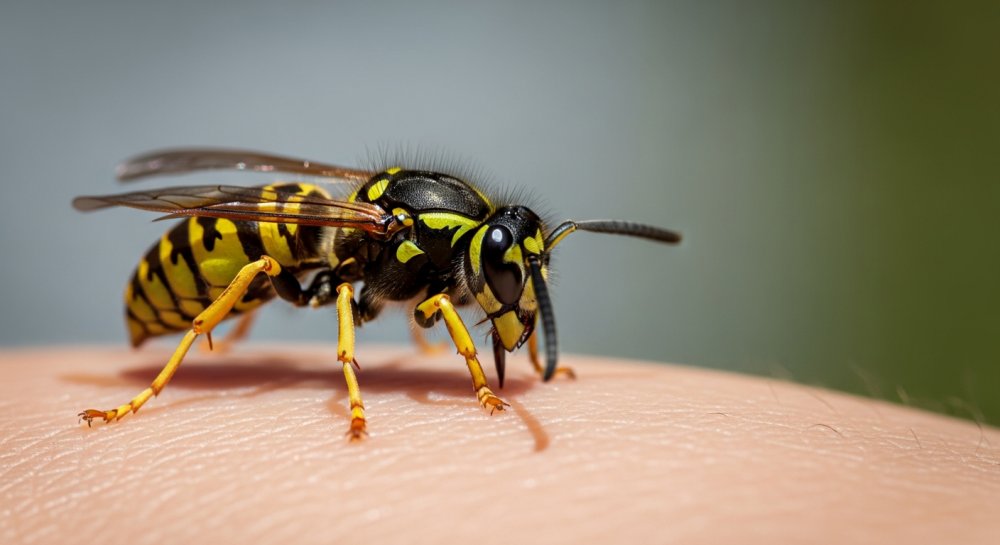
As families gather for backyard barbecues and outdoor celebrations this summer, a tiny but aggressive insect poses a significant health threat that sends thousands of Americans to emergency rooms each year. Yellow jackets, those black-and-yellow striped wasps often mistaken for bees, become increasingly aggressive in late summer and early fall as their colonies reach peak size.
These wasps aren’t just a nuisance—their stings can trigger life-threatening allergic reactions in susceptible individuals. Understanding the difference between a normal reaction and a medical emergency could save your life or that of a loved one.
The Hidden Danger in Your Backyard
Yellow jackets build underground nests that often go unnoticed until someone accidentally disturbs them while mowing the lawn or gardening. Unlike honeybees that sting once and die, yellow jackets can sting repeatedly, injecting venom with each attack. A single disturbed nest can unleash dozens or even hundreds of angry wasps on an unsuspecting victim.
The initial sting produces immediate, sharp pain followed by redness and swelling at the site. For most people, these local symptoms resolve within a few hours to a couple of days with basic first aid. However, approximately 5% of the population experiences severe allergic reactions that can progress rapidly to anaphylaxis—a medical emergency requiring immediate treatment.
Recognizing When a Sting Becomes an Emergency
Normal sting reactions include pain, redness, and swelling confined to the sting area. The affected area may feel warm to the touch and develop a small white spot at the exact sting site. These symptoms, while uncomfortable, don’t require emergency medical attention.
Warning signs of a serious allergic reaction include difficulty breathing, tightness in the throat or chest, dizziness, rapid pulse, hives spreading across the body, nausea, or swelling of the face, lips, or tongue. These symptoms can appear within minutes of being stung and require immediate emergency care.
Anyone experiencing these severe symptoms needs to call 911 immediately. If the person has a prescribed epinephrine auto-injector (EpiPen), it should be administered right away while waiting for emergency responders to arrive.
Proper Treatment for Common Stings
For typical reactions, immediate first aid can reduce pain and swelling. Remove any jewelry from the affected area before swelling begins. Clean the sting site with soap and water to prevent infection.
Apply a cold compress or ice pack wrapped in a thin cloth to the area for 10-minute intervals. This helps reduce swelling and numbs the pain. Elevating the affected limb can also minimize swelling.
Over-the-counter antihistamines like diphenhydramine can help control itching and reduce the allergic response. Topical hydrocortisone cream or calamine lotion provides additional relief from itching. Pain relievers such as acetaminophen or ibuprofen can manage discomfort.
Avoid scratching the sting site, as this can introduce bacteria and lead to infection. Watch for signs of infection over the following days, including increasing redness, warmth, swelling, or pus. These symptoms warrant a visit to your healthcare provider.
Multiple Stings Require Special Attention
People who receive multiple yellow jacket stings—generally more than 10 to 15 stings at once—may experience a toxic reaction even without being allergic. The large amount of venom can cause symptoms including nausea, vomiting, diarrhea, lightheadedness, and fever. Anyone experiencing these symptoms after multiple stings should seek medical evaluation.
Children and older adults face higher risks from multiple stings due to their smaller body size or potentially compromised immune systems. These populations should receive medical assessment even if symptoms seem mild initially.
Prevention: Your Best Defense
Yellow jackets become particularly aggressive when defending their nests or when attracted to food sources. Prevention strategies can significantly reduce your risk of being stung during outdoor activities.
Keep food and drinks covered when eating outdoors, especially sweet beverages that attract yellow jackets. Check drinks before sipping, as wasps can crawl into cans or cups. Dispose of garbage promptly in sealed containers.
Wear closed-toe shoes when walking in grassy areas where ground nests might be located. Avoid wearing bright colors or floral patterns that may attract yellow jackets. Skip perfumes, colognes, and scented lotions when spending time outdoors.
If you discover a yellow jacket nest on your property, don’t attempt to remove it yourself. Professional pest control services have the proper equipment and expertise to safely eliminate nests. Disturbing a nest without proper protection can result in a mass attack.
When to See an Allergist
Anyone who has experienced a significant reaction to a yellow jacket sting should consult with an allergist. Testing can determine if you have a true venom allergy that requires preventive measures.
People diagnosed with yellow jacket venom allergy should carry prescribed epinephrine auto-injectors at all times during warm weather months. Family members and close friends should know where these devices are kept and how to use them in an emergency.
Venom immunotherapy, a series of allergy shots given over several years, can desensitize allergic individuals and potentially prevent life-threatening reactions. Studies show this treatment is highly effective, reducing the risk of severe reactions by more than 90% in most patients.
Protecting Your Family This Season
As summer activities draw families outdoors, awareness of yellow jacket risks helps protect vulnerable family members. Teaching children not to swat at flying insects reduces the likelihood of defensive stings. Staying calm and moving away slowly when yellow jackets are present prevents aggressive behavior.
Keep a well-stocked first aid kit that includes antihistamines, hydrocortisone cream, and cold packs. Know the location of the nearest emergency facility before heading to remote outdoor areas where medical help might be delayed.
With proper precautions and knowledge of appropriate responses, families can enjoy summer gatherings while minimizing the risks these aggressive insects pose. Understanding the difference between normal reactions and medical emergencies ensures appropriate care when stings occur, protecting the health and safety of everyone in your household.
