Health
The Hidden Dangers of Ignoring This Common Skin Condition

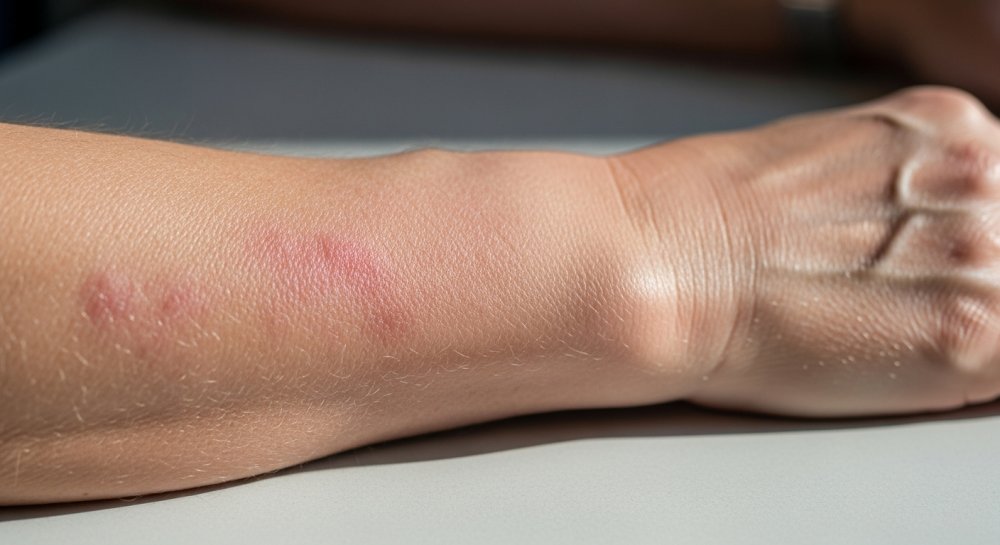
Health Points
- Untreated atopic dermatitis can lead to severe complications including skin infections, sleep disorders, and mental health challenges
- The chronic inflammatory condition affects quality of life far beyond visible skin symptoms, impacting daily activities and emotional well-being
- Early intervention and consistent treatment are essential to prevent long-term health consequences and maintain skin barrier function
For millions of Americans dealing with atopic dermatitis, the temptation to simply “tough it out” during flare-ups can be strong. But medical experts warn that leaving this chronic skin condition untreated carries risks that extend far beyond temporary discomfort.
Atopic dermatitis, the most common form of eczema, affects approximately 16.5 million adults in the United States. While many view it as merely a cosmetic concern, dermatologists emphasize that the inflammatory condition demands proper medical attention to prevent serious complications.
“The skin barrier in atopic dermatitis is fundamentally compromised,” explains Dr. Sarah Mitchell, a board-certified dermatologist at Georgetown University Medical Center. “When left untreated, this creates a cascade of problems that can significantly impact a person’s overall health and quality of life.”
One of the most immediate risks of untreated atopic dermatitis is secondary bacterial infection. The compromised skin barrier allows harmful bacteria, particularly Staphylococcus aureus, to penetrate more easily. These infections can spread rapidly and may require antibiotic treatment or even hospitalization in severe cases.
The relentless itching associated with atopic dermatitis also creates a vicious cycle known as the itch-scratch cycle. Scratching damaged skin leads to further inflammation, which triggers more itching. This pattern can result in lichenification, where the skin becomes thick and leathery, making the condition even harder to treat.
Sleep disruption represents another significant concern. Research published in the Journal of the American Academy of Dermatology found that 60-83% of adults with atopic dermatitis experience sleep disturbances due to nighttime itching. Chronic sleep deprivation contributes to fatigue, decreased productivity, and increased risk of cardiovascular disease and metabolic disorders.
“We’re seeing more evidence that the impact of untreated atopic dermatitis goes well beyond the skin,” notes Dr. James Robertson, an immunology specialist at the Mayo Clinic.
Mental health consequences deserve equal attention. Studies have consistently shown higher rates of anxiety and depression among individuals with untreated atopic dermatitis. The visible nature of skin lesions can lead to social withdrawal, reduced self-esteem, and diminished quality of life across all age groups.
Children with untreated atopic dermatitis face additional developmental concerns. The condition can interfere with normal childhood activities, social interactions, and academic performance. Parents often experience significant stress and sleep disruption as well, affecting the entire family dynamic.
The inflammatory nature of atopic dermatitis also has systemic implications. Recent research suggests links between chronic skin inflammation and increased risk of cardiovascular disease, asthma, and allergic conditions. While more studies are needed to fully understand these connections, the evidence points to the importance of controlling inflammation early.
“Think of atopic dermatitis as a warning sign from your immune system,” Dr. Mitchell advises. “Addressing it promptly can help prevent a broader cascade of inflammatory responses throughout the body.”
Treatment options have expanded significantly in recent years, moving beyond basic moisturizers and topical steroids. Newer therapies include targeted biologics, JAK inhibitors, and advanced topical medications that address the underlying immune dysfunction driving the condition.
The financial burden of untreated atopic dermatitis should not be overlooked. While treatment involves costs, the expenses associated with complications—emergency room visits for infections, lost productivity, and treatment of secondary conditions—often far exceed the investment in proper disease management.
Dermatologists recommend seeking medical evaluation if you experience persistent itching, redness, or skin changes that don’t respond to over-the-counter treatments within a few weeks. Early intervention typically leads to better outcomes and helps prevent the condition from becoming more severe and difficult to manage.
“The good news is that we have more effective treatments than ever before,” says Dr. Robertson. “But they only work if people actually seek care and stay consistent with their treatment plans.”
For those already diagnosed with atopic dermatitis, maintaining a regular skincare routine, identifying and avoiding triggers, and working closely with a healthcare provider are essential steps in preventing complications. Even during periods when symptoms seem mild, continuing prescribed treatments helps maintain skin barrier function and prevents flare-ups.
The message from the medical community is clear: atopic dermatitis is not a condition to ignore or simply endure. Proper treatment protects not just your skin, but your overall health, sleep quality, mental well-being, and quality of life. Taking action early makes all the difference in preventing the hidden dangers this common condition can pose.
