Nutrition
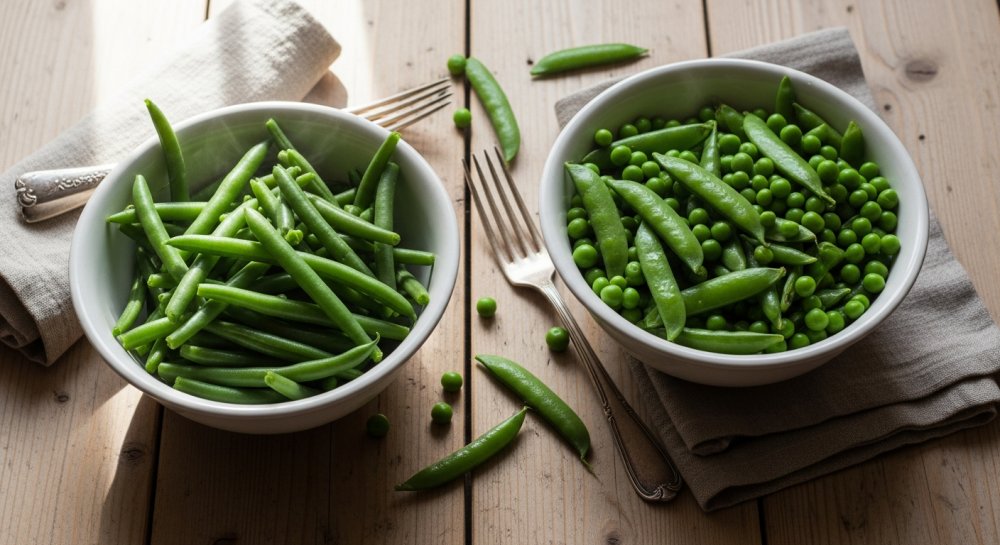
The Surprising Winner in the Fiber and Protein Showdown Between Two Garden Favorites

Health Points
- Green peas contain nearly double the protein of green beans, with 8 grams per cup compared to 4 grams
- Both vegetables provide similar fiber content at around 8 grams per cup, supporting digestive health
- Green beans offer more vitamin K and folate, while peas deliver higher amounts of thiamine and vitamin C
When it comes to choosing between green beans and green peas at the dinner table, both vegetables bring impressive nutritional benefits to your plate. But for those watching their protein and fiber intake, understanding the differences can help you make more informed choices for your health goals.
Green peas take the clear lead in the protein department. A single cup of cooked green peas delivers 8 grams of protein, making them an excellent plant-based protein source for adults over 40 who want to maintain muscle mass and strength. Green beans, while still nutritious, provide about 4 grams of protein per cup—half the amount found in their round counterparts.
The fiber story tells a different tale. Both vegetables perform admirably in this category, with each providing approximately 8 grams of dietary fiber per cooked cup. This amount represents nearly one-third of the daily recommended fiber intake for most adults, making either choice beneficial for digestive health, blood sugar control, and heart health.
The vitamin and mineral profiles reveal distinct advantages for each vegetable. Green beans stand out as an exceptional source of vitamin K, offering more than 100% of the daily recommended value in just one cup. This nutrient plays a crucial role in bone health and blood clotting—particularly important considerations for adults in their middle years and beyond.
Green beans also provide higher amounts of folate, a B vitamin essential for cell growth and metabolism. Meanwhile, green peas deliver more thiamine (vitamin B1), which supports energy production and nervous system function, along with substantially more vitamin C for immune support.
Both vegetables contain important minerals including iron, magnesium, and potassium. Green peas edge ahead slightly in overall mineral content, but the differences are modest enough that both deserve regular rotation in a balanced diet.
For calorie-conscious individuals, green beans offer a lighter option at approximately 44 calories per cup, compared to 134 calories in the same amount of green peas. However, the extra calories in peas come packaged with additional protein and nutrients, making them a nutrient-dense choice rather than empty calories.
The glycemic impact differs between these two vegetables as well. Green beans have a lower glycemic index, meaning they cause a slower, more gradual rise in blood sugar levels. This makes them particularly appealing for individuals managing diabetes or watching their carbohydrate intake.
From a culinary perspective, both vegetables offer versatility in the kitchen. Green beans maintain their crisp texture when lightly steamed or sautéed, making them ideal for side dishes and salads. Green peas add natural sweetness and a pop of color to soups, casseroles, and grain dishes.
Storage and preparation considerations may influence your choice as well. Fresh green beans typically last longer in the refrigerator and require minimal preparation—just trimming the ends. Green peas, whether fresh or frozen, require shelling if purchased in pods, though frozen varieties offer convenience without sacrificing nutritional value.
Both vegetables fit well within traditional American dietary patterns and have been staples of family dinners for generations. Their familiar flavors make them accessible options for adults who may be working to increase their vegetable intake.
The verdict ultimately depends on your specific nutritional priorities. If boosting protein intake is your primary goal—whether for muscle maintenance, satiety, or meeting daily requirements—green peas deliver superior results. Their higher protein content makes them particularly valuable for older adults concerned about age-related muscle loss.
For those prioritizing vitamin K intake for bone health or seeking a lower-calorie vegetable option, green beans prove the better choice. Their lower glycemic impact also makes them preferable for blood sugar management.
The most practical approach for optimal nutrition involves enjoying both vegetables regularly. Alternating between green beans and green peas ensures you receive the unique nutritional benefits each provides while adding variety to your meals. Both vegetables support the plant-forward eating patterns associated with longevity and disease prevention.
Whether steamed, roasted, or incorporated into favorite family recipes, these garden vegetables represent wholesome, traditional food choices that align with time-tested approaches to healthy eating. Making room on your plate for both ensures you benefit from their complementary nutritional strengths.
