Nutrition
The Hidden Power of Timing Your Daily Kiwi Ritual

Health Points
- Morning kiwi consumption may boost energy and vitamin C absorption for immune support
- Evening kiwi intake 1-2 hours before bed could improve sleep quality due to serotonin content
- The fuzzy fruit’s fiber and antioxidants support digestive health regardless of timing
A simple fruit sitting in your kitchen may hold the key to better sleep, sustained energy, and stronger immunity—but only if you eat it at the right time of day.
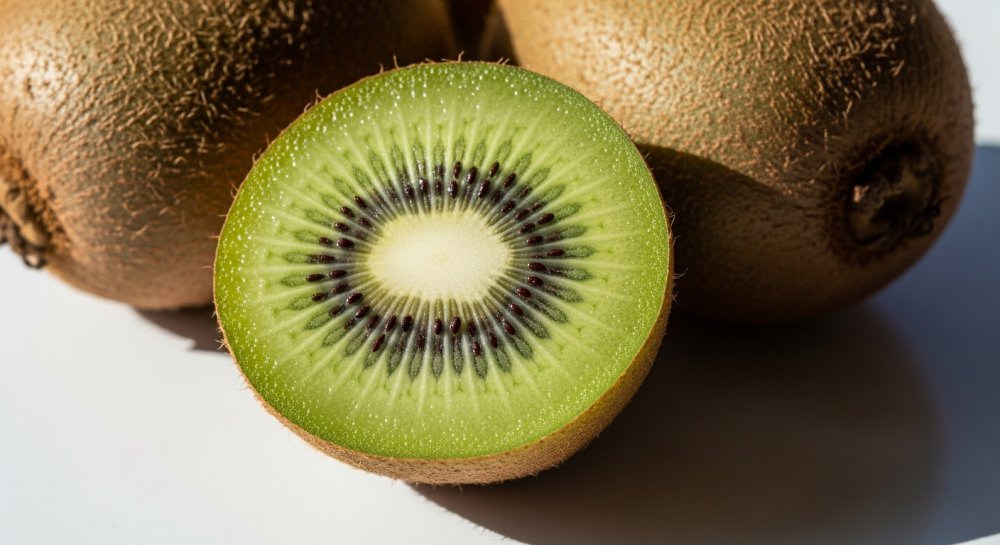
The humble kiwi, with its vibrant green flesh and tiny black seeds, has emerged as a nutritional powerhouse that delivers different benefits depending on when you consume it. Health experts are now sharing evidence-based guidance on optimizing this fuzzy fruit’s potential.
For those seeking an energy boost and immune support, morning consumption appears most beneficial. The kiwi’s high vitamin C content—nearly 75 milligrams per fruit, exceeding the daily recommended intake for most adults—absorbs more efficiently when consumed earlier in the day. This timing allows the body to utilize the vitamin’s immune-strengthening properties throughout waking hours when exposure to environmental stressors peaks.
“Vitamin C is water-soluble, meaning our bodies don’t store it,” nutritionists explain. “Consuming kiwi in the morning ensures you’re maximizing absorption when your body needs it most.”
The morning timing also capitalizes on the fruit’s natural sugars and B vitamins, providing sustained energy without the crash associated with processed breakfast foods. The combination of simple and complex carbohydrates delivers both immediate and prolonged fuel for mental clarity and physical stamina.
For individuals struggling with sleep quality, evening consumption presents compelling advantages. Research indicates that eating one to two kiwis approximately one to two hours before bedtime may improve sleep onset, duration, and quality. The mechanism appears linked to the fruit’s serotonin content—a neurotransmitter that regulates sleep-wake cycles.
“Serotonin acts as a precursor to melatonin, the hormone directly responsible for sleep regulation,” sleep researchers note. “By providing this building block before bed, kiwis may naturally support the body’s transition into restful sleep.”
The evening timing strategy particularly benefits those aged 40 and older, when natural melatonin production typically declines. Rather than reaching for supplements with potential side effects, the whole-food approach offers a gentler alternative grounded in the body’s natural processes.
Beyond timing considerations, kiwis deliver consistent digestive benefits throughout the day. Each fruit contains approximately 2 grams of fiber—about 8% of the daily recommended intake—supporting regular bowel movements and gut health. The fruit also contains actinidin, a unique enzyme that aids protein digestion and may reduce bloating after meals.
The antioxidant profile further distinguishes kiwis from other common fruits. High concentrations of vitamin E, folate, and carotenoids work synergistically to combat oxidative stress—a factor linked to accelerated aging and chronic disease development. These compounds remain active regardless of consumption timing, providing cellular protection around the clock.
For individuals managing blood sugar concerns, the kiwi’s low glycemic index (approximately 52) makes it a smart choice at any time. The fruit’s fiber content slows sugar absorption, preventing the sharp spikes and crashes that characterize high-glycemic foods. This stability supports sustained energy and reduces cravings throughout the day.
Practical application requires only modest adjustments to existing routines. Morning eaters might slice kiwi over whole-grain cereal or blend it into smoothies alongside protein sources. Evening consumers can enjoy the fruit as a standalone snack, allowing sufficient time before bed to avoid potential digestive discomfort from eating too close to sleep.
The traditional approach to fruit consumption—eat it whenever convenient—misses optimization opportunities that emerging nutritional science reveals. By aligning kiwi intake with specific physiological needs, individuals can transform a simple dietary habit into a targeted wellness strategy.
Storage considerations affect nutrient retention regardless of timing. Ripe kiwis should be refrigerated and consumed within five days for maximum vitamin C preservation. Firmer fruits can ripen at room temperature, then be refrigerated to extend their nutritional window.
For families seeking natural alternatives to conventional health products, kiwis represent a cost-effective, accessible option. The fruit’s year-round availability in most markets removes seasonal barriers, while its minimal preparation requirements fit seamlessly into busy schedules that characterize modern family life.
The convergence of traditional food wisdom and contemporary nutritional research continues revealing how simple dietary adjustments can yield significant health dividends. In an era of expensive supplements and complex wellness protocols, the kiwi stands as a reminder that nature often provides straightforward solutions to common health challenges—if we simply know when to look.
