Nutrition
The Flour Swap That Could Transform Your Baking Nutrition

Health Points
- Almond flour contains triple the protein and significantly more fiber than all-purpose flour
- The gluten-free alternative offers heart-healthy fats and essential minerals often missing in refined grains
- Experts recommend almond flour for blood sugar management and sustained energy throughout the day
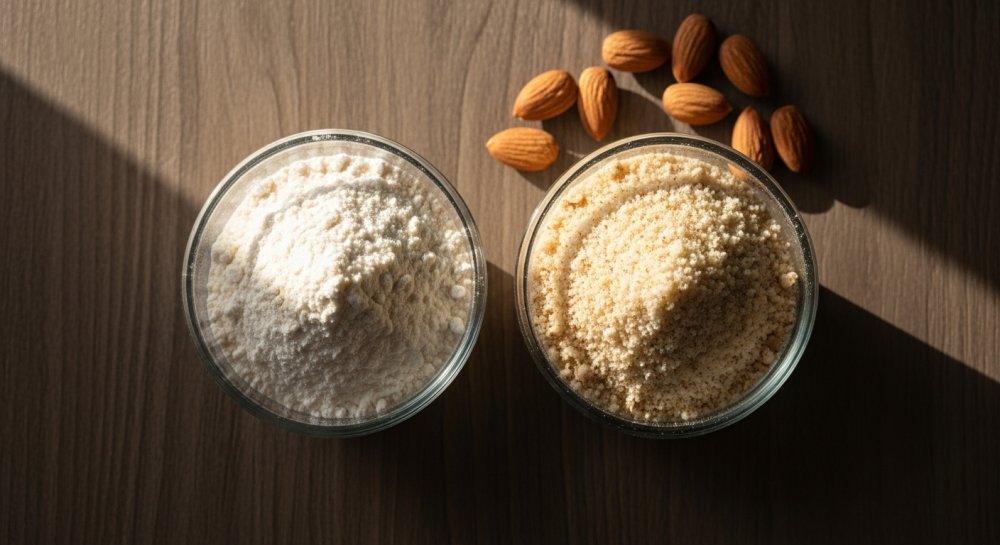
For health-conscious bakers looking to boost the nutritional value of their favorite recipes, one simple ingredient swap could make all the difference. While all-purpose flour has been a kitchen staple for generations, almond flour is emerging as a nutrient-dense alternative that delivers substantially more protein, fiber, and beneficial fats.
The nutritional gap between these two flours is striking. A quarter-cup serving of almond flour packs 6 grams of protein compared to just 2 grams in the same amount of all-purpose flour—a threefold difference that can significantly impact daily nutrition. The fiber content tells a similar story, with almond flour providing 3 grams per serving while all-purpose flour offers only 1 gram.
“Almond flour is naturally gluten-free and rich in heart-healthy monounsaturated fats,” explains registered dietitian Sarah Thompson, who specializes in functional nutrition for adults over 40.
“These are the same beneficial fats found in olive oil and avocados that support cardiovascular health.”
Beyond protein and fiber, almond flour delivers an impressive mineral profile. It contains substantial amounts of vitamin E, magnesium, and calcium—nutrients that play crucial roles in bone health, immune function, and cellular repair. All-purpose flour, having been stripped of its nutrient-rich bran and germ during processing, lacks these natural vitamins and minerals unless they’ve been added back through fortification.
The blood sugar benefits are particularly noteworthy for those managing weight or glucose levels. Almond flour’s combination of protein, healthy fats, and fiber creates a slower, more gradual rise in blood sugar compared to the rapid spike often triggered by refined grain flours.
“For anyone concerned about sustained energy or avoiding the mid-afternoon crash, almond flour can be a game-changer in baked goods,” Thompson notes.
However, nutrition experts emphasize that almond flour isn’t a perfect replacement in every scenario. The absence of gluten means it won’t provide the same structure and rise in traditional bread recipes. Bakers often need to adjust recipes or combine almond flour with other ingredients to achieve desired textures.
The calorie content also deserves consideration. While almond flour offers superior nutrition, it contains more calories per serving—approximately 160 calories per quarter-cup compared to 100 calories in all-purpose flour. For those monitoring calorie intake, portion awareness remains important even when choosing the more nutritious option.
Cost represents another practical factor. Almond flour typically costs three to four times more than conventional all-purpose flour, though many health-focused shoppers consider the nutritional benefits worth the investment.
For those new to almond flour, experts recommend starting with recipes specifically designed for it rather than attempting direct substitutions. Pancakes, muffins, cookies, and quick breads tend to work particularly well with almond flour’s unique properties.
“The key is understanding that you’re not just swapping one flour for another—you’re working with an entirely different ingredient that brings its own characteristics to baking,” Thompson advises.
As awareness grows about the connection between diet quality and long-term health outcomes, more home bakers are exploring nutrient-dense alternatives to refined ingredients. For those prioritizing protein intake, fiber consumption, and overall nutritional value in their baked goods, almond flour offers compelling advantages that extend well beyond traditional all-purpose flour.
