Nutrition
The Daily Kitchen Staple That May Transform Your Heart Health After 40

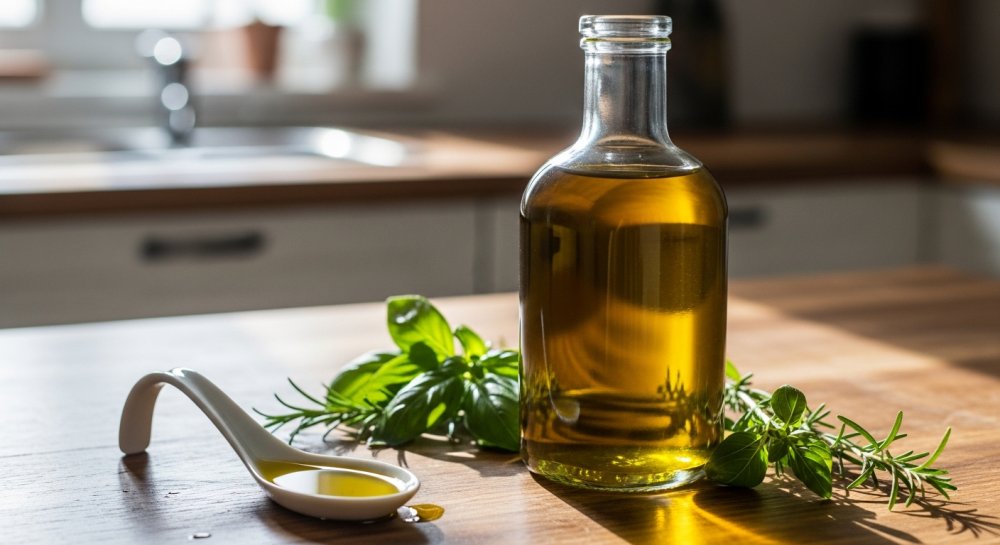
Health Points
- Adding four teaspoons of olive oil daily may help reduce inflammation and improve blood vessel function in adults
- Study participants who consumed olive oil showed significant decreases in blood pressure and inflammatory markers
- Extra virgin olive oil contains powerful antioxidants called polyphenols that support cardiovascular health
A simple pantry staple could be the key to protecting your heart as you age. New research suggests that incorporating olive oil into your daily routine may offer significant cardiovascular benefits, particularly for adults over 40 who are increasingly focused on maintaining their health naturally.
Recent studies have examined what happens when people add approximately four teaspoons of olive oil to their daily diet. The results point to measurable improvements in key health markers that matter for long-term wellness.
Researchers found that participants who consumed olive oil regularly experienced notable reductions in systolic blood pressure—the top number in a blood pressure reading. Even more encouraging, inflammatory markers throughout the body showed signs of decline. These changes occurred without dramatic dietary overhauls or restrictive eating plans.
The secret lies in olive oil’s unique composition. Extra virgin olive oil, in particular, contains high concentrations of polyphenols—natural compounds with powerful antioxidant properties. These substances help combat oxidative stress, a process that contributes to aging and chronic disease.
When olive oil is consumed, its polyphenols work to improve the function of the endothelium, the thin layer of cells lining blood vessels. Better endothelial function translates to more flexible, responsive blood vessels that can regulate blood flow more effectively. This is especially important as we age, when blood vessels naturally become stiffer.
The anti-inflammatory effects extend beyond the cardiovascular system. Chronic inflammation has been linked to numerous age-related conditions, from arthritis to cognitive decline. By helping to reduce systemic inflammation, olive oil may offer protective benefits across multiple body systems.
Not all olive oils are created equal, however. Extra virgin olive oil—which is minimally processed and cold-pressed—retains the highest levels of beneficial polyphenols. More refined varieties lose many of these protective compounds during processing.
For those looking to incorporate olive oil into their routine, the approach doesn’t need to be complicated. Drizzling it over salads, using it as a finishing oil for cooked vegetables, or substituting it for butter in certain recipes are all effective strategies. The key is consistency rather than perfection.
The amount matters too. Studies showing cardiovascular benefits typically involved about three to four teaspoons daily—enough to make a difference without adding excessive calories. Since olive oil is calorie-dense, it’s wise to use it as a replacement for less healthy fats rather than simply adding it on top of your current diet.
While olive oil shows promise, it works best as part of an overall healthy eating pattern. The Mediterranean diet, which emphasizes olive oil alongside vegetables, whole grains, fish, and moderate amounts of wine, has long been associated with heart health and longevity. This traditional approach to eating reflects time-tested wisdom about nourishing the body.
For adults navigating the health challenges that often emerge in midlife and beyond, olive oil represents an accessible, research-supported tool. Unlike trendy supplements or restrictive diets, it’s a food that humans have consumed for thousands of years, with a safety profile that inspires confidence.
The cardiovascular benefits appear to accumulate over time with regular consumption. While dramatic overnight changes shouldn’t be expected, the evidence suggests that making olive oil a dietary staple could contribute to healthier blood pressure readings and reduced inflammation months and years down the road.
As with any dietary change, individuals with specific health conditions or those taking medications should consult with their healthcare provider. This is particularly important for people managing blood pressure with medication, as the addition of olive oil could potentially enhance the effects of their treatment.
The growing body of research on olive oil reinforces what many health-conscious adults instinctively understand: sometimes the most powerful wellness tools aren’t exotic superfoods or expensive supplements, but rather simple, wholesome ingredients that have nourished humans for generations.
