Nutrition
The Grocery List of Centenarians Revealed

Health Points
- Centenarians in Blue Zones share ten common foods that support longevity, including olive oil, leafy greens, and whole grains
- These populations consume predominantly plant-based diets with minimal processed foods and moderate portions of animal protein
- Traditional preparation methods and community eating patterns contribute as much to health outcomes as the foods themselves
People who reach 100 years old don’t follow trendy diets or count macros. They eat what their grandparents ate—simple, whole foods prepared with care and enjoyed with family.
Researchers have identified five regions around the world where people routinely live past 100 with minimal chronic disease. These Blue Zones—in Sardinia, Italy; Okinawa, Japan; Loma Linda, California; Nicoya Peninsula, Costa Rica; and Ikaria, Greece—share remarkably similar dietary patterns despite their geographic distance.
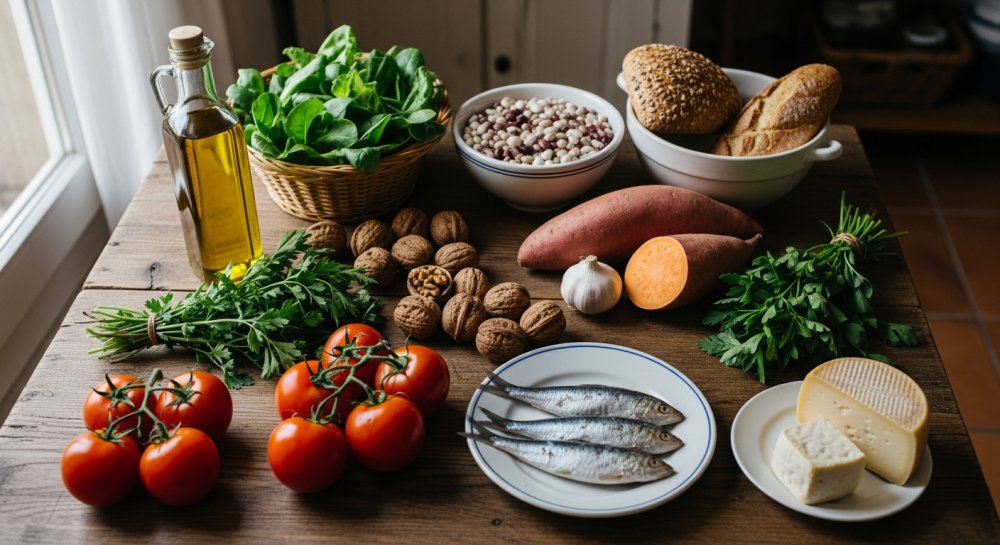
The ten foods that appear most consistently on centenarian tables tell a story about returning to basics. Olive oil serves as the primary fat source across Mediterranean Blue Zones, providing anti-inflammatory compounds that protect heart and brain health. Residents drizzle it generously over vegetables, use it for cooking, and consume it daily without guilt.
Leafy greens appear at nearly every meal in these longevity hotspots. Dandelion greens in Ikaria, sweet potato leaves in Okinawa, and wild greens in Sardinia provide vitamins, minerals, and plant compounds that support cellular health. These populations don’t view salad as diet food—they celebrate greens as staple nutrition.
Whole grains form the foundation of centenarian diets, not refined flour products. Barley, farro, whole wheat, and brown rice provide sustained energy and fiber that supports digestive health. These traditional grains never underwent industrial processing that strips away nutrients.
Legumes—beans, lentils, and chickpeas—provide plant-based protein in Blue Zone communities. Okinawans eat sweet potatoes and soybeans, while Sardinians favor fava beans and chickpeas. These protein sources come with fiber and phytonutrients that meat lacks.
Nuts appear daily in centenarian diets, typically as snacks or added to meals. Almonds, walnuts, and pistachios provide healthy fats, protein, and minerals in small, satisfying portions. Blue Zone residents eat nuts by the handful, not by the jar.
Fish provides animal protein for coastal Blue Zone populations, particularly in Sardinia and Ikaria. These communities eat small fish rich in omega-3 fatty acids several times per week—not factory-farmed salmon, but sardines, anchovies, and other sustainably caught species.
Tomatoes grow abundantly in Mediterranean Blue Zones and appear in countless traditional dishes. Rich in lycopene and vitamin C, tomatoes support cardiovascular health when consumed regularly as whole food, not as ketchup or sauce from a bottle.
Herbs and spices add flavor and medicinal compounds to centenarian cooking. Rosemary in Sardinia, turmeric in Okinawa, and oregano in Ikaria provide anti-inflammatory and antioxidant benefits that accumulate over decades of daily use.
Sweet potatoes serve as a staple carbohydrate in Okinawa, where they once provided up to 60 percent of daily calories. This nutrient-dense root vegetable offers vitamins, minerals, and fiber that support stable blood sugar and sustained energy.
Goat’s milk and sheep’s milk dairy products appear in some Blue Zones as fermented foods like yogurt and cheese. These traditional dairy sources are easier to digest than cow’s milk and provide probiotics that support gut health.
The pattern across all ten foods reveals a diet rooted in tradition, not innovation. These populations never eliminated entire food groups or followed restrictive eating plans. They ate what grew locally, prepared it simply, and shared meals with family.
Portion sizes in Blue Zones align with traditional serving amounts, not American restaurant portions. Centenarians eat until 80 percent full, a practice that naturally controls calorie intake without counting or restriction.
Modern Americans can adopt these eating patterns without moving to a Blue Zone. Shopping the perimeter of grocery stores, cooking at home, and eating with others recreates the essential elements of centenarian nutrition.
The foods that support longevity aren’t exotic or expensive. They’re the same whole foods that sustained human health for thousands of years before industrial food production changed what appears on American plates. Centenarians simply never stopped eating them.
