Nutrition
The Surprising Fat That Doctors Say Belongs in Your Kitchen

Health Points
- Certain high-fat foods contain essential nutrients that support heart health, brain function, and longevity
- Avocados, fatty fish, nuts, and olive oil provide healthy monounsaturated and omega-3 fats that reduce inflammation
- Quality matters more than quantity—choosing whole-food fat sources over processed options makes the difference
For decades, Americans were told to avoid fat at all costs. Low-fat cookies, fat-free salad dressings, and skim milk lined grocery store shelves as the nation embraced a war on dietary fat. But nutrition science has come full circle, and experts now say certain high-fat foods deserve a permanent spot in your daily diet—especially after 40.
The key lies in understanding which fats fuel your body and which ones work against it.
“Not all fats are created equal,” explains Dr. Sarah Mitchell, a registered dietitian specializing in midlife nutrition. “The fats found in avocados, nuts, and fatty fish are completely different from the trans fats in processed foods.”
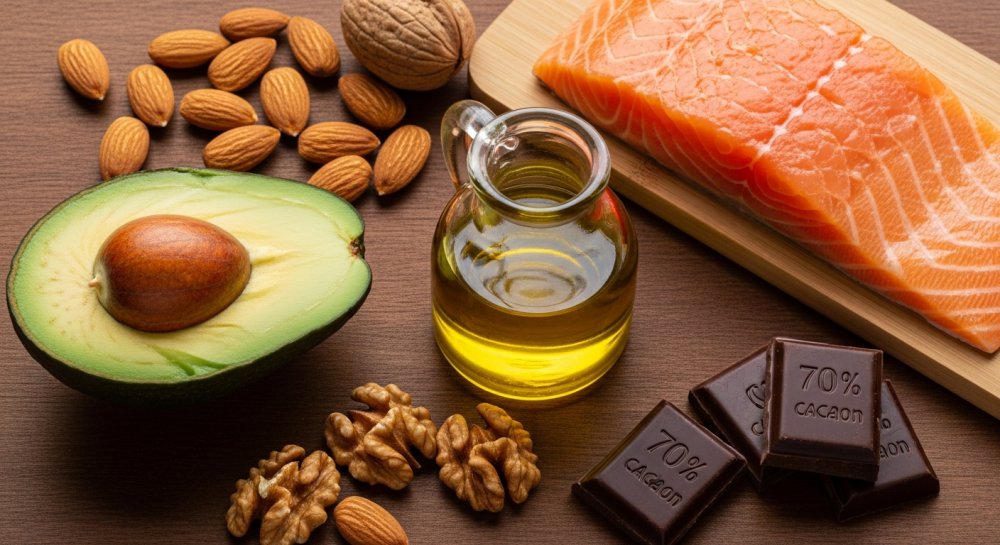
Avocados top the list of beneficial high-fat foods. A single avocado contains about 21 grams of fat, mostly monounsaturated fatty acids that support heart health. Research published in the Journal of the American Heart Association found that eating one avocado daily improved cholesterol levels in overweight adults.
Beyond heart benefits, avocados deliver nearly 20 vitamins and minerals, including potassium, vitamin K, and folate.
Fatty fish like salmon, mackerel, and sardines provide omega-3 fatty acids—essential fats your body cannot produce on its own. These omega-3s reduce inflammation, support brain health, and may lower the risk of age-related cognitive decline. The American Heart Association recommends eating two servings of fatty fish per week.
“I tell my patients over 50 that omega-3s are like insurance for your brain,” Dr. Mitchell notes. “The research on their protective effects is overwhelming.”
Nuts and seeds pack healthy fats alongside protein and fiber. Almonds, walnuts, chia seeds, and flaxseeds all contain heart-protective fats that help you feel satisfied between meals. Studies show that people who eat nuts regularly tend to weigh less and have lower rates of heart disease—despite nuts being calorie-dense.
The satiety factor matters. When you eat quality fats, you stay fuller longer and avoid the blood sugar spikes and crashes that come from high-carbohydrate snacks.
Extra virgin olive oil stands as a cornerstone of the Mediterranean diet, consistently ranked as one of the healthiest eating patterns in the world. Its monounsaturated fats and polyphenol compounds fight inflammation and oxidative stress. Drizzling olive oil over vegetables, using it in dressings, or cooking with it at moderate temperatures adds flavor and nutrition.
Full-fat dairy has also been rehabilitated by recent research. While low-fat dairy was once considered superior, studies now suggest that full-fat versions may not harm heart health as previously thought—and may even support weight management by increasing satisfaction.
“The fat in dairy helps your body absorb fat-soluble vitamins like A, D, E, and K,” Dr. Mitchell explains. “When you remove the fat, you lose some of that nutritional benefit.”
Dark chocolate containing at least 70% cacao offers healthy fats from cocoa butter along with antioxidants. An ounce or two can satisfy sweet cravings while providing flavonoids linked to improved blood flow and heart health.
The shift from fat-phobia to fat appreciation reflects a deeper understanding of human nutrition. Your body needs dietary fat to build cell membranes, produce hormones, absorb nutrients, and provide steady energy. Eliminating fat entirely creates deficiencies and often leads to overconsumption of refined carbohydrates—a dietary pattern linked to weight gain and chronic disease.
Quality matters enormously. The fats in a handful of almonds differ vastly from the fats in a bag of chips. Whole-food sources deliver additional nutrients, while ultra-processed foods often contain inflammatory oils and additives.
For people over 40, prioritizing healthy fats becomes even more important. Metabolism naturally slows with age, and maintaining muscle mass while managing weight requires strategic nutrition. Protein and healthy fats work together to preserve lean tissue and keep you feeling satisfied.
Cognitive health is another consideration. Brain tissue is nearly 60% fat, and supplying quality fats—especially omega-3s—supports memory, focus, and long-term brain function.
Incorporating these foods doesn’t require a complete diet overhaul. Start by adding a quarter of an avocado to breakfast, snacking on a small handful of nuts, swapping butter for olive oil, or enjoying salmon once a week. Small, consistent changes build lasting habits.
“I’ve seen patients transform their health simply by shifting their fat sources,” Dr. Mitchell says. “They have more energy, better cholesterol numbers, and they don’t feel deprived.”
The message is clear: fat isn’t the enemy. Choosing the right kinds in appropriate amounts supports vitality, longevity, and everyday wellness—making these nutrient-dense foods true staples for a healthy kitchen.
