Nutrition
Six Everyday Foods That Outrank Beans in Fiber Content

Health Points
- Several common foods contain more fiber per serving than beans, including certain fruits, vegetables, and whole grains
- Adults need 25-35 grams of fiber daily, yet most Americans consume only about 15 grams
- High-fiber diets support digestive health, blood sugar control, and cardiovascular wellness
Beans have long held the crown as the go-to source for dietary fiber, but nutrition experts reveal that several other foods actually pack even more fiber per serving. This discovery offers new options for those looking to meet their daily fiber requirements through varied, appealing choices.
The average American falls short of recommended fiber intake by nearly half. Women should aim for 25 grams daily, while men need approximately 35 grams, according to nutritional guidelines. Yet most people consume only 15 grams per day, creating a significant health gap.
“Fiber is absolutely essential for maintaining optimal digestive function and preventing chronic disease,” notes registered dietitian Katherine Zeratsky. “Many people don’t realize how many delicious options exist beyond beans.”
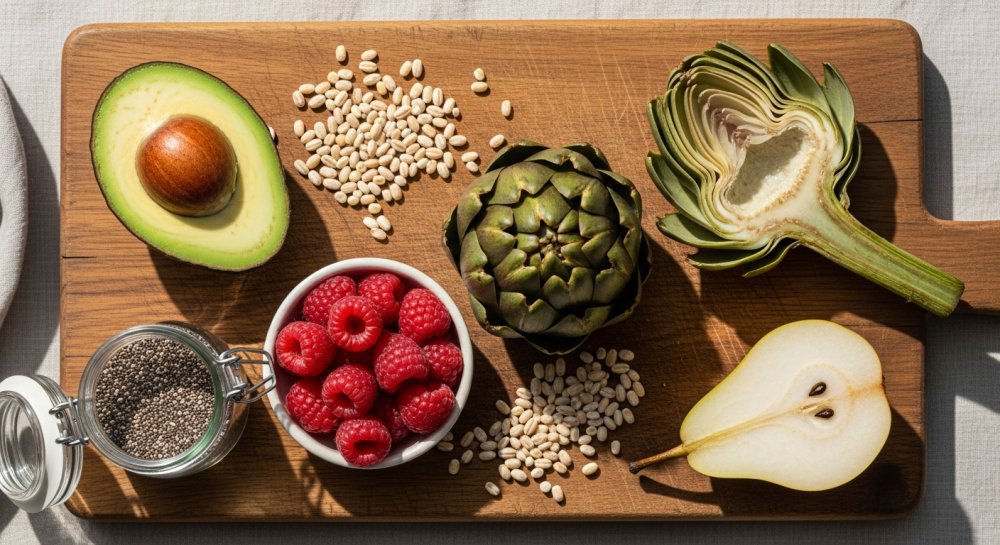
Avocados lead the pack with an impressive 10 grams of fiber in just half a medium fruit. This creamy favorite also delivers heart-healthy monounsaturated fats and potassium. By comparison, a half-cup serving of black beans contains approximately 7.5 grams of fiber.
Raspberries rank as another fiber powerhouse, offering 8 grams per cup. These antioxidant-rich berries support immune function while satisfying sweet cravings naturally. Fresh or frozen varieties provide equal nutritional benefits, making them accessible year-round.
Artichokes deserve recognition as an underappreciated fiber source. A medium artichoke provides 7 grams of fiber along with vitamins C and K. Preparation requires minimal effort—simply steam and serve with olive oil or a light dip.
Whole grain options also surpass beans in fiber content. Pearled barley delivers 6 grams per cooked cup, while bulgur wheat provides 8 grams. These ancient grains add texture and nutritional value to soups, salads, and side dishes.
“Including diverse fiber sources throughout the day ensures you’re getting different types of beneficial fiber,” explains nutritionist Dr. Sarah Mitchell. “Soluble and insoluble fiber each play unique roles in supporting health.”
Pears offer another excellent option, with a medium fruit containing 6 grams of fiber. Eating the skin maximizes fiber intake, as much of the fruit’s fiber concentrates in the peel. Pears also provide vitamin C and copper.
Split peas technically belong to the legume family but deserve special mention. A cooked cup contains 16 grams of fiber—more than double most bean varieties. Split peas cook faster than whole beans and create satisfying, protein-rich soups.
Incorporating these high-fiber foods supports digestive regularity and helps maintain stable blood sugar levels. Research consistently links adequate fiber intake to reduced risks of heart disease, type 2 diabetes, and certain cancers.
Starting slowly when increasing fiber intake prevents digestive discomfort. Experts recommend adding one high-fiber food at a time while drinking plenty of water. This gradual approach allows the digestive system to adjust comfortably.
Chia seeds represent another concentrated fiber source, with 10 grams in just two tablespoons. These tiny seeds absorb liquid and create a gel-like consistency, making them ideal for puddings, smoothies, or as an egg substitute in baking.
Lentils provide impressive fiber content at 15.6 grams per cooked cup. Available in red, green, and black varieties, lentils cook quickly and adapt to numerous cuisines. They offer complete nutrition when paired with whole grains.
For those managing diabetes or prediabetes, high-fiber foods help slow glucose absorption. This creates steadier energy levels throughout the day and reduces post-meal blood sugar spikes. Fiber also promotes feelings of fullness, supporting healthy weight management.
Frozen vegetables maintain their fiber content while offering convenience. Frozen Brussels sprouts, broccoli, and mixed vegetables provide quick side dishes with substantial fiber. Keep several varieties on hand for easy meal preparation.
“The key is variety and consistency,” emphasizes Dr. Mitchell. “Choose different fiber sources each day to maximize both nutrition and enjoyment.”
Reading nutrition labels helps identify high-fiber packaged foods. Products with at least 3 grams of fiber per serving qualify as good sources, while those with 5 or more grams earn the excellent source designation.
Traditional dietary wisdom around beans remains sound—they’re affordable, versatile, and nutritious. However, knowing alternative high-fiber options empowers individuals to build more varied, sustainable eating patterns that support long-term health and vitality.
