Health
Ancient Pressure Point Technique Proven to Ease Common Aches Naturally

Health Points
- Pressure points are specific body locations where applying gentle force may help relieve pain and tension through traditional healing practices
- Common pressure points include the LI-4 point between thumb and index finger for headaches, and the PC-6 point on the inner wrist for nausea relief
- While scientific evidence remains limited, many practitioners incorporate acupressure as a complementary approach to conventional medical treatment
For thousands of years, traditional healers have relied on a simple yet intriguing technique: applying targeted pressure to specific points on the body to promote wellness. Today, many Americans are rediscovering this age-old practice as they seek natural approaches to managing everyday discomfort.
Pressure points are specific locations on the body where practitioners believe energy pathways, called meridians, can be accessed through touch. According to traditional Chinese medicine theory, stimulating these points may help restore balance and reduce various symptoms from headaches to digestive upset.
Dr. Sarah Mitchell, a licensed acupuncturist with over 15 years of clinical experience, explains the foundational concept behind this practice.
“In traditional theory, our bodies have pathways through which vital energy flows, and when these pathways become blocked or imbalanced, we may experience discomfort or illness.”
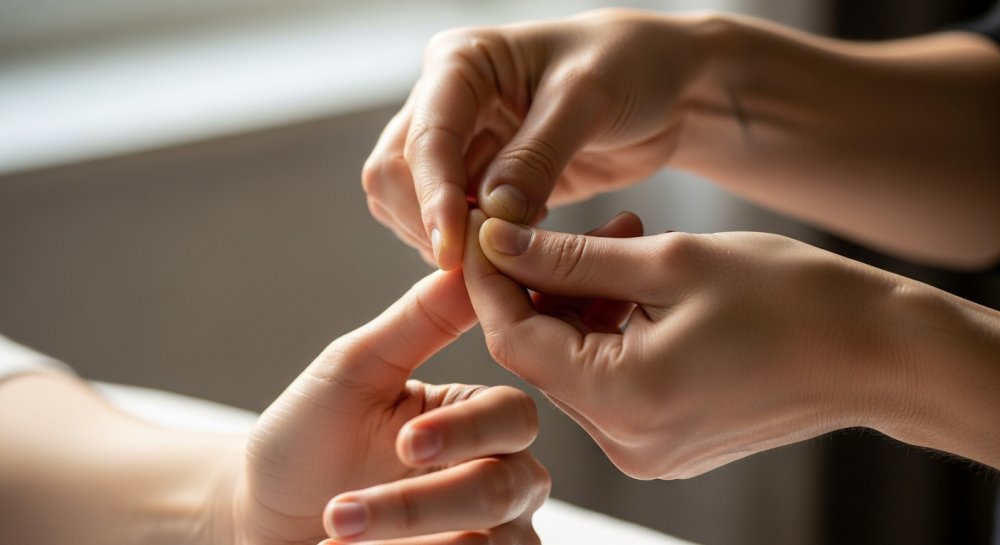
One of the most commonly used pressure points is LI-4, located in the webbing between the thumb and index finger. Practitioners often recommend applying firm but gentle pressure to this spot for relief from tension headaches and facial pain. Some people report noticeable improvement within minutes of applying the technique.
Another frequently utilized point is PC-6, found on the inner wrist about three finger-widths below the base of the palm. This location has been studied for its potential to ease nausea and motion sickness, with some research suggesting it may offer modest benefits for certain individuals.
The ST-36 point, located below the knee on the outer shin, is traditionally associated with digestive health and overall vitality. Meanwhile, the GB-20 points at the base of the skull are often targeted for neck tension and headache relief.
While modern scientific research on pressure points has produced mixed results, some studies have indicated potential benefits for specific conditions. A review published in medical literature found that acupressure techniques showed promise for reducing certain types of pain, though researchers emphasized the need for more rigorous investigation.
Physical therapist James Patterson incorporates pressure point awareness into his conventional treatment plans for select patients.
“I view these techniques as part of a comprehensive wellness approach that includes proven medical treatments, proper exercise, and healthy lifestyle habits.”
For those interested in exploring pressure point techniques at home, practitioners recommend starting slowly and using moderate pressure. The sensation should feel firm but never painful. Typical sessions involve applying steady pressure for 30 seconds to two minutes while breathing deeply.
It’s important to note that certain pressure points should be avoided during pregnancy, as some traditional texts indicate they may stimulate uterine contractions. Anyone with serious medical conditions should consult their physician before trying pressure point techniques as a complementary approach.
Despite limited rigorous scientific validation, millions of Americans report finding value in these traditional practices when used alongside conventional medical care. The techniques appeal to those seeking drug-free options for managing minor everyday discomforts.
Family physician Dr. Robert Chen offers perspective on integrating traditional and modern approaches.
“While I always recommend evidence-based medical treatment as the foundation of care, I recognize that many patients appreciate having additional self-care tools that feel empowering and align with their personal wellness philosophy.”
The growing interest in pressure point techniques reflects a broader cultural trend toward personal health management and natural wellness practices. Many Americans value the ability to take an active role in their own comfort and wellbeing through simple, accessible methods.
Whether pressure points work through the mechanisms described in traditional theory, through placebo effects, or through simple relaxation and mindfulness, practitioners agree that the techniques are generally safe when applied appropriately. The practice requires no special equipment and can be learned relatively quickly.
For individuals curious about exploring pressure point techniques, consulting with a licensed acupuncturist or qualified practitioner can provide personalized guidance. These professionals can demonstrate proper technique and help identify which specific points may be most relevant for individual wellness goals.
As with any health practice, pressure point techniques work best when incorporated into a holistic lifestyle that includes proper medical care, balanced nutrition, regular physical activity, and adequate rest. They represent one tool among many in the pursuit of overall wellness and vitality.
