Nutrition
The Hidden Risk Lurking in Your Favorite Sports Drink

Health Points
- Excessive electrolyte intake can lead to dangerous mineral imbalances affecting heart and kidney function
- Most healthy adults get sufficient electrolytes from a balanced diet without supplementation
- Older adults with chronic conditions should consult healthcare providers before using electrolyte drinks regularly
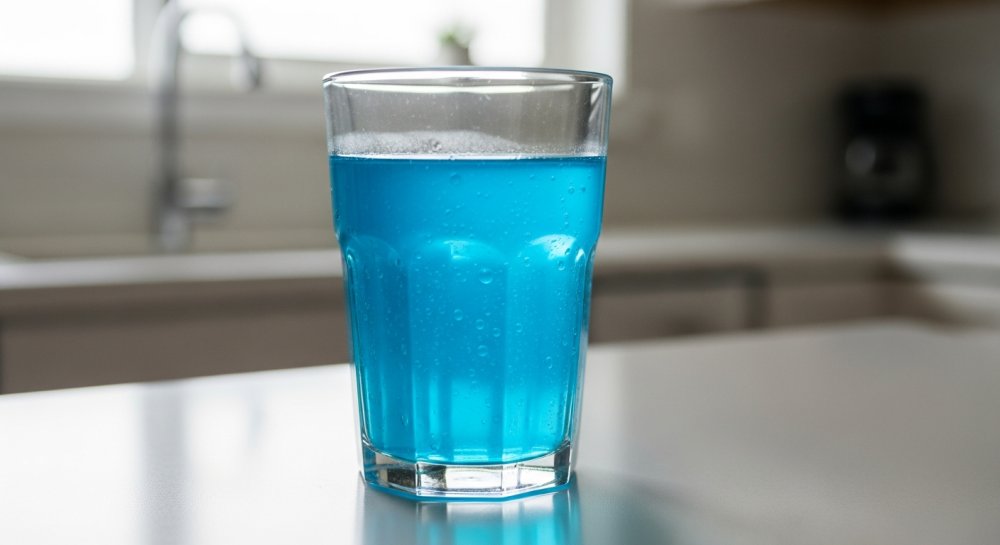
Sports drinks and electrolyte supplements have become a fixture in American households, with older adults increasingly reaching for these colorful beverages to stay healthy and hydrated. But health experts are now warning that more isn’t always better when it comes to these popular products.
Electrolytes—minerals like sodium, potassium, calcium, and magnesium that carry electrical charges in the body—play critical roles in muscle function, nerve signaling, and fluid balance. While adequate electrolyte levels are essential for health, consuming excessive amounts can create serious complications, particularly for those over 40.
“The body maintains electrolyte balance within very tight ranges,” explains registered dietitian Jennifer Anderson. “When we flood our system with excessive amounts, we force our kidneys to work overtime, and that can lead to dangerous imbalances.”
Hypernatremia, or excessive sodium levels, can cause confusion, seizures, and even coma in severe cases. Hyperkalemia, an overload of potassium, poses particular risks to heart rhythm and can be life-threatening. These conditions occur more frequently in older adults, whose kidney function naturally declines with age.
“Most Americans already consume more sodium than recommended through their regular diet,” Anderson notes. “Adding electrolyte drinks on top of that can push levels into problematic territory.”
The marketing of electrolyte products often suggests they’re necessary for anyone who exercises or feels fatigued. However, medical experts emphasize that most people obtain adequate electrolytes through normal eating patterns. A balanced diet including fruits, vegetables, dairy products, and whole grains provides all the minerals healthy adults need.
Electrolyte supplementation becomes medically relevant primarily during intense, prolonged physical activity lasting over an hour, during illness involving vomiting or diarrhea, or in extreme heat conditions. For the average person going about daily activities, water remains the best choice for hydration.
“We’re seeing people drink electrolyte beverages like water throughout the day, and that’s concerning,” says Dr. Michael Patterson, a nephrologist specializing in kidney health. “Your body doesn’t need constant electrolyte supplementation unless you’re losing significant amounts through sweat or illness.”
Individuals taking certain medications face heightened risks from excessive electrolyte consumption. Blood pressure medications, diuretics, and some heart medications can interact with high mineral intake, creating dangerous fluctuations. Anyone with kidney disease, heart conditions, or diabetes should discuss electrolyte supplementation with their healthcare provider before incorporating these products into their routine.
The sugar content in many commercial electrolyte drinks presents another concern, particularly for those managing weight or blood sugar levels. Some popular brands contain as much sugar as sodas, negating any potential health benefits. Zero-sugar alternatives containing artificial sweeteners may pose their own questions for long-term health.
“Read labels carefully,” advises Anderson. “Some of these drinks contain your entire daily sodium recommendation in a single bottle. That’s problematic when combined with the salt already present in your meals.”
For older adults genuinely needing electrolyte replacement—such as those recovering from illness or engaging in moderate exercise—moderation remains key. Consuming these products strategically, rather than as an all-day beverage, helps prevent overconsumption while meeting legitimate needs.
Natural food sources offer a safer, more balanced approach to maintaining electrolyte levels. Bananas, sweet potatoes, yogurt, leafy greens, and nuts provide minerals in proportions the body can regulate more easily than concentrated supplements. These whole foods also deliver vitamins, fiber, and other nutrients that support overall health.
“Your body is remarkably good at regulating its own electrolyte balance when you give it real food and plain water,” Patterson emphasizes. “Trust those natural mechanisms unless you have a specific medical reason to intervene.”
The bottom line for health-conscious adults: electrolyte drinks serve specific purposes but aren’t necessary for most daily situations. Staying hydrated with water, eating a varied diet rich in whole foods, and consulting with healthcare providers about individual needs provides a sound foundation for maintaining proper mineral balance without the risks of overconsumption.
