Nutrition
Seven Morning Meals That Protect Your Heart Without a Single Oat

Health Points
- Oatmeal isn’t the only heart-healthy breakfast option — eggs, whole grain toast, and Greek yogurt offer similar cardiovascular benefits
- Foods rich in fiber, omega-3 fatty acids, and plant-based proteins support healthy cholesterol levels and blood pressure
- Simple breakfast swaps can reduce heart disease risk while keeping morning meals enjoyable and satisfying
For years, oatmeal has dominated the conversation around heart-healthy breakfasts, leaving many Americans who dislike its texture feeling stuck without good options. The truth is that a nutritious, heart-protective morning meal comes in many forms beyond the traditional bowl of oats.
Registered dietitians emphasize that building a cardiovascular-friendly breakfast focuses on key nutrients rather than specific foods. Fiber, healthy fats, and lean proteins form the foundation of meals that support long-term heart health without compromising on taste or variety.
Eggs With Whole Grain Toast
Despite decades of cholesterol concerns, eggs have earned their place back at the breakfast table. Recent research shows that dietary cholesterol from eggs has minimal impact on blood cholesterol levels for most people, while the high-quality protein supports healthy metabolism and sustained energy.
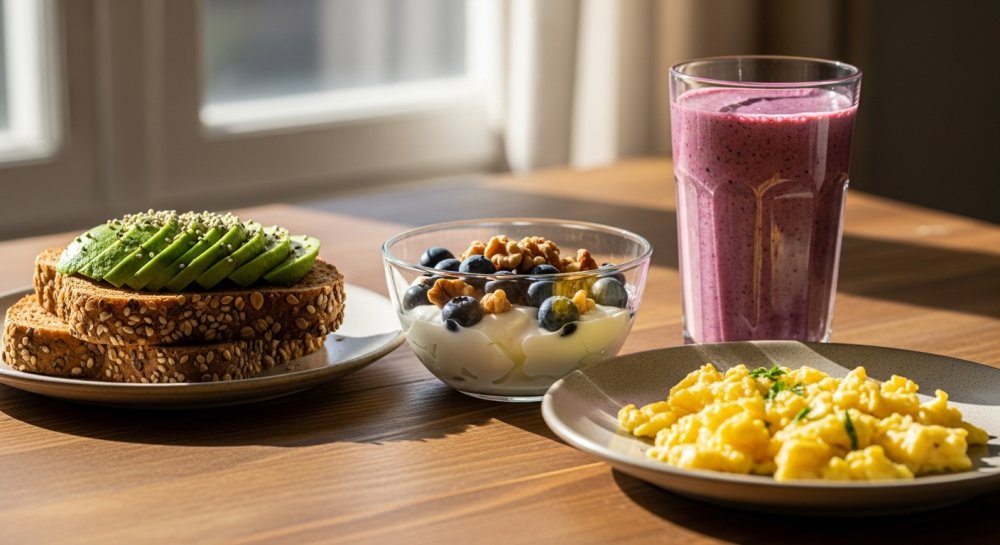
Pairing eggs with whole grain toast adds soluble fiber that helps lower LDL cholesterol. The combination delivers B vitamins, selenium, and choline — nutrients that support cardiovascular function. Adding sliced avocado provides heart-healthy monounsaturated fats that further protect against arterial inflammation.
Greek Yogurt Parfait With Berries and Nuts
Greek yogurt delivers nearly twice the protein of regular yogurt while offering probiotics that support gut health — increasingly linked to cardiovascular wellness. The thick, creamy texture satisfies without added sugars that can spike blood glucose and stress the heart.
Topping yogurt with berries adds anthocyanins, powerful antioxidants shown to reduce blood pressure and improve arterial function. A handful of walnuts or almonds contributes omega-3 fatty acids and vitamin E, both essential for maintaining flexible, healthy blood vessels. This combination creates a balanced meal that stabilizes blood sugar throughout the morning.
Whole Wheat English Muffin With Nut Butter
Natural almond or peanut butter spread on a whole grain English muffin creates a simple yet powerful breakfast for heart health. The combination provides sustained energy through complex carbohydrates and plant-based proteins that don’t trigger inflammatory responses.
Nut butters contain arginine, an amino acid that helps blood vessels relax and maintain healthy circulation. The vitamin E and magnesium in nuts support electrical signaling in the heart muscle. Adding banana slices increases potassium intake, which helps regulate blood pressure naturally.
Smoothie With Spinach and Flaxseed
Blending leafy greens into a fruit smoothie disguises vegetables while delivering nitrates that improve blood flow and reduce arterial stiffness. Spinach provides folate and magnesium — minerals that many Americans lack despite their importance for cardiovascular health.
Adding ground flaxseed boosts omega-3 content significantly, offering plant-based alpha-linolenic acid that reduces inflammation throughout the circulatory system. A scoop of protein powder and frozen berries creates a thick, satisfying drink that replaces traditional breakfast foods without sacrificing nutritional value. The fiber content supports healthy cholesterol levels while keeping hunger at bay until lunch.
Avocado Toast on Whole Grain Bread
This popular option earned its reputation through genuine health benefits rather than mere trendiness. Avocados contain more potassium than bananas along with monounsaturated fats that actively lower harmful LDL cholesterol while preserving beneficial HDL cholesterol.
Whole grain bread provides resistant starch and fiber that feed beneficial gut bacteria, supporting systemic inflammation reduction. Adding a poached egg increases protein and nutrients like lutein and zeaxanthin, which protect against oxidative stress in blood vessels. A sprinkle of hemp seeds contributes additional omega-3s and plant protein.
Cottage Cheese With Fresh Fruit
Low-fat cottage cheese offers substantial protein without excess saturated fat, making it ideal for maintaining healthy blood lipid levels. The calcium and phosphorus in cottage cheese support proper heart rhythm and muscle contraction.
Pairing cottage cheese with fresh pineapple, peaches, or berries adds natural sweetness along with fiber and antioxidants. This combination keeps blood sugar stable while providing nutrients that reduce arterial plaque formation. The high protein content promotes satiety, reducing mid-morning snacking on less healthy options.
Whole Grain Cereal With Nuts and Milk
Not all cereals deserve their unhealthy reputation. Choosing whole grain varieties with minimal added sugar and at least 5 grams of fiber per serving provides steady energy and cholesterol-lowering benefits similar to oatmeal.
Adding sliced almonds or walnuts increases healthy fat content while providing plant sterols that block cholesterol absorption. Using low-fat milk or fortified plant milk adds calcium, vitamin D, and additional protein without excessive saturated fat. This breakfast takes minutes to prepare while delivering comprehensive cardiovascular nutrition.
Building Your Heart-Healthy Morning Routine
The American Heart Association recommends focusing on whole foods rather than processed alternatives, regardless of which breakfast option you choose. Fresh ingredients, minimal added sugars, and adequate fiber create the foundation for meals that protect cardiovascular health over decades.
Variety matters both for nutritional completeness and sustained adherence to healthy eating patterns. Rotating through different breakfast options throughout the week ensures a broader range of protective compounds while preventing meal fatigue. Small, consistent choices made each morning accumulate into significant heart health benefits over time.
For Americans over 40, breakfast quality becomes increasingly important as cardiovascular risk factors naturally increase with age. These seven alternatives to oatmeal prove that protecting your heart doesn’t require sacrificing taste or settling for foods you simply tolerate. Building a morning meal around whole grains, healthy fats, lean proteins, and colorful produce creates a strong nutritional foundation that supports vitality and longevity.
