Nutrition
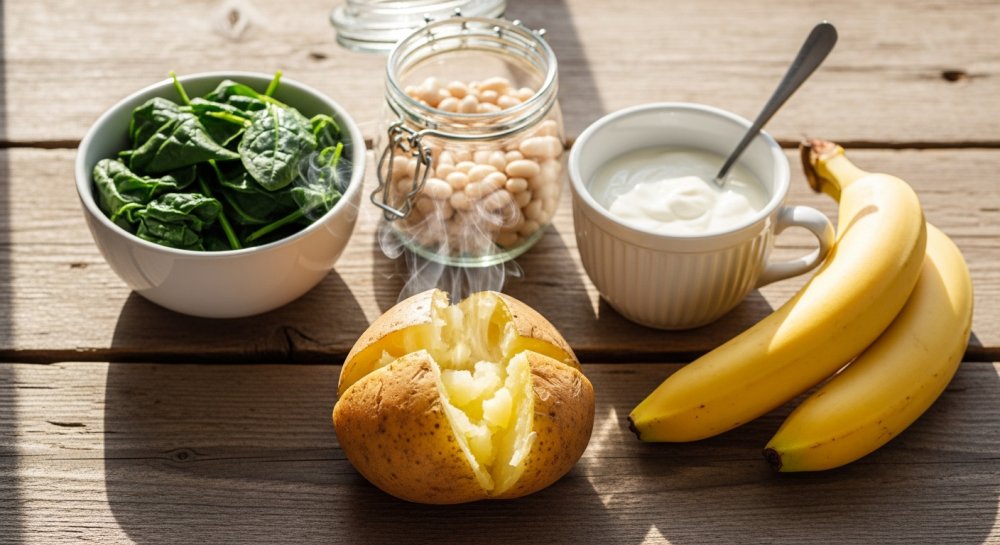
Five Everyday Foods That Could Transform Your Heart Health

Health Points
- Five common foods deliver more potassium per serving than half an avocado, offering powerful heart health benefits
- Potassium helps regulate blood pressure, supports nerve function, and reduces stroke risk when consumed at recommended levels
- Beans, potatoes, dairy, bananas, and spinach provide accessible potassium sources for adults over 40
For adults concerned about heart health, the quest for potassium-rich foods often begins and ends with avocados. Yet nutritionists point to five readily available alternatives that deliver even more of this essential mineral—without the premium price tag or preparation hassle.
The mineral plays a crucial role in maintaining healthy blood pressure and supporting cardiovascular function, particularly for those over 40. According to health experts, adequate potassium intake helps counteract sodium’s effects and reduces strain on blood vessel walls.
Half an avocado contains approximately 345 milligrams of potassium. While respectable, this amount falls short of what many common pantry staples provide in a single serving.
White Beans Lead the Pack
A half-cup serving of canned white beans delivers 595 milligrams of potassium—nearly double that of half an avocado. These versatile legumes also provide substantial fiber and protein, making them particularly valuable for maintaining stable blood sugar levels and supporting digestive health.
White beans integrate seamlessly into soups, salads, and side dishes. Their mild flavor and creamy texture appeal to those who may find other legumes too assertive.
The Humble Baked Potato
A medium baked potato with skin intact contains approximately 926 milligrams of potassium. This familiar comfort food offers more than twice the potassium of half an avocado while providing vitamin C and resistant starch that supports gut health.
The skin contains significant nutritional value, including fiber and additional minerals. Preparation methods matter—baking or roasting preserves more nutrients than boiling, which can leach potassium into cooking water.
Plain Yogurt Offers Dual Benefits
One cup of plain, low-fat yogurt provides around 573 milligrams of potassium alongside calcium and probiotics. This combination supports both cardiovascular and bone health—two priorities for adults navigating midlife and beyond.
Greek yogurt varieties typically contain less potassium due to the straining process. Traditional plain yogurt offers superior mineral content while maintaining beneficial bacterial cultures that support digestive wellness.
Bananas Deliver Convenient Nutrition
A medium banana contains approximately 422 milligrams of potassium, edging out half an avocado while offering unmatched portability. The fruit’s natural packaging and lack of preparation requirements make it practical for busy lifestyles.
Bananas also provide vitamin B6, which supports brain health and immune function. Their natural sweetness satisfies cravings without added sugars, making them valuable for those managing weight or blood sugar concerns.
Cooked Spinach Concentrates Nutrients
One cup of cooked spinach delivers about 839 milligrams of potassium. The cooking process reduces volume significantly, allowing consumption of nutrients from far more leaves than would be practical raw.
Spinach also provides iron, calcium, and vitamins A and K. These nutrients work synergistically to support bone density, vision, and blood clotting—all concerns that gain importance with age.
Understanding Potassium Needs
Adults should aim for 2,600 to 3,400 milligrams of potassium daily, depending on sex and age. Most Americans fall short of this target, consuming only about half the recommended amount.
This widespread deficiency contributes to elevated blood pressure rates and increased cardiovascular disease risk. The gap between recommendation and reality stems partly from reduced consumption of whole foods in favor of processed alternatives.
Potassium works by helping kidneys excrete excess sodium through urine. This mechanism reduces fluid retention and decreases pressure against arterial walls. Research consistently links adequate potassium intake with reduced stroke risk and improved overall heart health.
Practical Implementation
Incorporating these five foods requires minimal lifestyle disruption. A breakfast of yogurt with banana provides nearly 1,000 milligrams of potassium. Adding a baked potato and spinach side at dinner easily meets or exceeds daily recommendations.
White beans work effectively in meal preparation routines. A Sunday batch can supply quick additions to weekday meals, providing consistent potassium intake without daily cooking efforts.
For those monitoring sodium intake, these whole foods offer natural potassium without the added salt prevalent in processed alternatives. This combination proves particularly beneficial for managing blood pressure through dietary means.
Considerations and Precautions
While most adults benefit from increased potassium intake, those with kidney disease must exercise caution. Impaired kidney function can prevent proper potassium excretion, leading to dangerous accumulation in the bloodstream.
Certain medications, particularly some blood pressure drugs and diuretics, affect potassium levels. Anyone taking prescription medications should consult healthcare providers before significantly increasing dietary potassium.
The body absorbs potassium from whole foods more gradually than from supplements, making dietary sources preferable for most people. This natural delivery system reduces risk of consuming excessive amounts that could cause complications.
These five accessible alternatives to avocados demonstrate that heart-healthy eating need not involve expensive specialty items or complex preparation. Simple, traditional foods provide powerful nutritional benefits when incorporated consistently into daily routines.
