Nutrition
The Crunchy Vegetable That Could Support Your Heart Health After 40

Health Points
- Water chestnuts are low-calorie, nutrient-rich vegetables that provide essential minerals like potassium and manganese while supporting digestive health
- Their high antioxidant content may help reduce inflammation and support heart health as you age
- These aquatic vegetables are naturally gluten-free and can be enjoyed fresh or canned, though proper preparation is important to avoid foodborne illness
If you’ve enjoyed the satisfying crunch of stir-fry at your favorite Asian restaurant, you’ve likely encountered water chestnuts. But this humble vegetable offers far more than just texture—it may provide meaningful health benefits, especially for those of us navigating the wellness challenges that come with aging.
Water chestnuts aren’t actually nuts at all. They’re aquatic vegetables that grow in freshwater marshes, lakes, and ponds, primarily in Southeast Asia.
The edible portion is the underground corm—a bulb-like stem that develops beneath the water’s surface. What makes them particularly appealing is their impressive nutritional profile packed into a low-calorie package.
A half-cup serving of sliced water chestnuts contains just 60 calories while delivering important nutrients. You’ll get about 4 grams of fiber, which supports digestive health and helps maintain steady blood sugar levels—a concern that becomes increasingly important after age 40.
That same serving provides approximately 362 milligrams of potassium, a mineral essential for heart health and blood pressure regulation. Water chestnuts also contain manganese, which plays a vital role in bone health and metabolism.
One of the most compelling reasons to add water chestnuts to your diet is their antioxidant content. These compounds help combat oxidative stress, which contributes to chronic inflammation—a key factor in age-related health conditions including heart disease and cognitive decline.
The fiber in water chestnuts does double duty for your health. It promotes healthy digestion by supporting regular bowel movements and feeding beneficial gut bacteria.
Additionally, fiber helps you feel fuller longer, which can support healthy weight management—something many people find more challenging as metabolism naturally slows with age.
The potassium in water chestnuts supports cardiovascular health by helping regulate blood pressure. Maintaining healthy blood pressure becomes increasingly important as we age, since hypertension is a major risk factor for heart disease and stroke.
Research suggests that the antioxidants in water chestnuts may help reduce inflammation throughout the body. Chronic inflammation has been linked to numerous age-related conditions, so foods that naturally combat inflammation deserve a place in a health-conscious diet.
For those managing their weight or blood sugar, water chestnuts offer a smart choice. Their low calorie content combined with fiber means they provide satisfying crunch and volume without significantly impacting your daily calorie intake or causing blood sugar spikes.
You’ll find water chestnuts in two main forms at your local grocery store: fresh and canned. Fresh water chestnuts have a slightly sweet taste and firm, crisp texture.
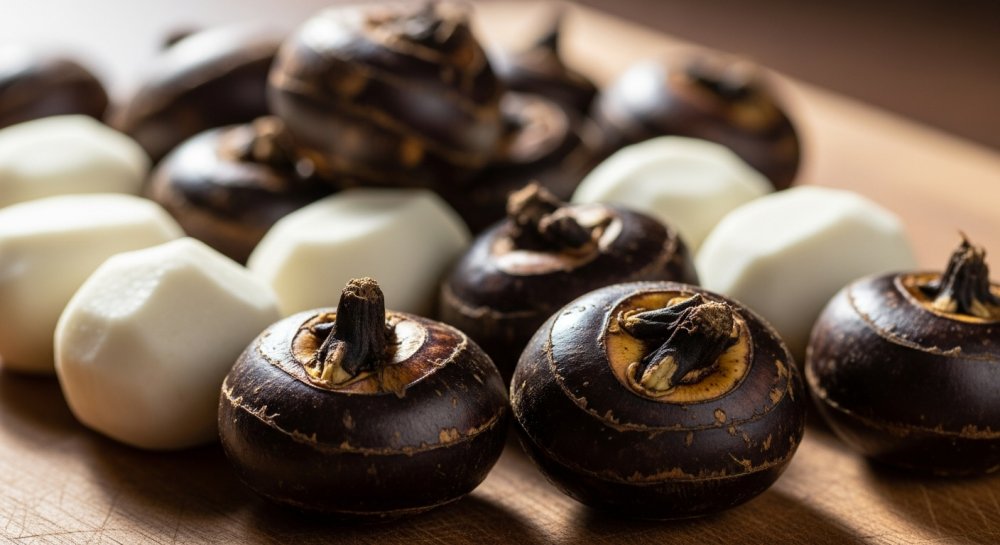
If you’re buying fresh, look for firm bulbs without soft spots or wrinkles. They should feel heavy for their size.
Store fresh water chestnuts in the refrigerator in a paper bag, where they’ll keep for about two weeks. Before eating, peel away the brownish-black skin to reveal the white flesh inside.
Canned water chestnuts are more widely available and already peeled. While convenient, they may contain added sodium, so check the nutrition label if you’re watching your salt intake.
Rinse canned water chestnuts before using to reduce sodium content.
Water chestnuts add wonderful texture to stir-fries, where they maintain their crunch even after cooking. They work beautifully in Asian-inspired dishes with vegetables, protein, and savory sauces.
Try them sliced into salads for added crunch, or wrap them with bacon as an appetizer. You can also add chopped water chestnuts to soups, grain bowls, or even use them to make a crunchy, lower-calorie alternative to traditional stuffing.
While water chestnuts offer numerous benefits, there are some important safety considerations to keep in mind. Fresh water chestnuts must be thoroughly washed and peeled before eating.
Because they grow in freshwater environments, unwashed water chestnuts may harbor parasites or bacteria that can cause foodborne illness. Never eat water chestnuts raw without proper cleaning.
Some people may experience digestive discomfort when eating water chestnuts, particularly if they’re not accustomed to high-fiber foods. If you’re increasing your fiber intake, do so gradually and drink plenty of water.
Though rare, allergic reactions to water chestnuts can occur. If you experience symptoms like itching, swelling, or difficulty breathing after eating them, seek medical attention immediately.
Water chestnuts represent a simple, flavorful way to add nutrients and beneficial plant compounds to your diet. Their unique texture makes meals more interesting, while their nutritional profile supports several aspects of healthy aging.
Whether you’re looking to support heart health, manage your weight, or simply add more vegetables to your meals, water chestnuts deserve consideration. As with any dietary change, variety remains key—water chestnuts work best as part of a balanced diet rich in diverse, whole foods.
Next time you’re at the grocery store, consider picking up a can of water chestnuts—or if you’re feeling adventurous, try the fresh variety. Your taste buds and your health may both thank you.
