Nutrition
7 Unexpected Foods That Outshine Tuna in Omega-3 Content

Health Points
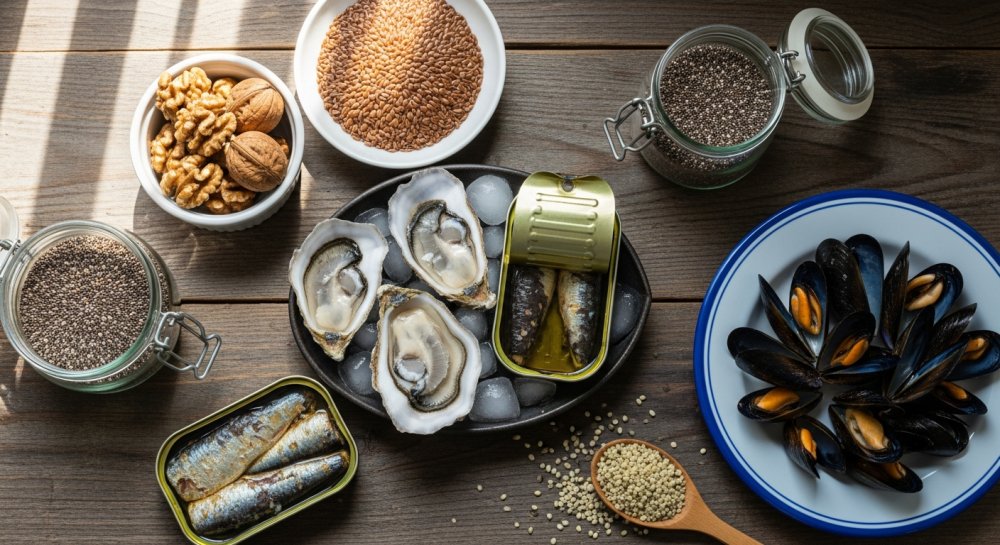
- Walnuts, flax seeds, and chia seeds deliver plant-based omega-3s that support heart and brain health without mercury concerns
- Shellfish varieties like oysters and mussels contain more omega-3s per serving than many popular fish options
- Incorporating diverse omega-3 sources helps maintain anti-inflammatory benefits while reducing exposure to environmental contaminants
Omega-3 fatty acids have earned their reputation as essential nutrients for heart health, brain function, and reducing inflammation throughout the body. While tuna has long been celebrated as a go-to source, several other foods deliver even higher concentrations of these beneficial fats—often with fewer concerns about mercury and other contaminants.
The human body cannot produce omega-3s on its own, making dietary sources crucial for maintaining optimal health. These healthy fats play vital roles in cardiovascular function, cognitive performance, and managing inflammatory responses that affect everything from joint health to mood regulation.
Walnuts: The Nutty Powerhouse
Among tree nuts, walnuts stand alone as an exceptional source of alpha-linolenic acid (ALA), a plant-based omega-3 fatty acid. Just one ounce of walnuts provides approximately 2.5 grams of ALA, surpassing a comparable serving of light tuna.
The convenience factor makes walnuts particularly appealing for busy individuals over 40. They require no preparation, travel well, and can be added to salads, oatmeal, or enjoyed as a standalone snack.
Flax Seeds: Tiny but Mighty
Flax seeds pack an impressive omega-3 punch in their diminutive form. A single tablespoon of ground flax seeds contains about 1.6 grams of ALA, making them one of the most concentrated plant sources available.
Nutritionists recommend grinding flax seeds before consumption to maximize absorption. Whole seeds may pass through the digestive system intact, limiting their nutritional benefits.
Chia Seeds: Ancient Nutrition for Modern Health
Chia seeds have transitioned from ancient Aztec staple to modern superfood with good reason. Two tablespoons provide approximately 5 grams of ALA, along with substantial fiber and protein content.
Their neutral flavor and gel-forming properties when mixed with liquid make chia seeds versatile additions to smoothies, yogurt, and baked goods. For those managing weight and cardiovascular health—common concerns after 40—chia seeds offer satiety-promoting benefits.
Oysters: Shellfish Superiority
Oysters deliver both EPA and DHA, the omega-3 forms most directly beneficial to human health. Six medium oysters contain roughly 0.4 grams of these fatty acids, along with exceptional levels of zinc, vitamin B12, and iron.
Unlike larger fish that accumulate mercury over time, oysters as filter feeders and smaller shellfish generally present lower contamination risks. This makes them an attractive option for individuals seeking regular omega-3 intake without heavy metal concerns.
Sardines: Small Fish, Big Benefits
Sardines often go overlooked in American diets, yet they outperform tuna in omega-3 content while carrying minimal mercury. A 3.5-ounce serving provides approximately 1.5 grams of EPA and DHA combined.
Their small size means sardines occupy lower positions on the food chain, accumulating fewer environmental toxins. For health-conscious adults, sardines offer a practical way to increase omega-3 intake through convenient, shelf-stable canned options.
Mussels: Underrated Shellfish
Mussels contain impressive omega-3 levels—approximately 0.7 grams per 3-ounce serving—while also providing lean protein and vitamin B12. These bivalves support heart health and cognitive function without the sustainability concerns surrounding some larger fish species.
Farm-raised mussels present an environmentally responsible choice, as their cultivation actually improves water quality through natural filtration. This aligns with growing consumer interest in both personal and planetary health.
Hemp Seeds: Complete Protein Plus Omega-3s
Hemp seeds offer a unique nutritional profile combining omega-3s with complete protein containing all essential amino acids. Three tablespoons deliver about 2.6 grams of ALA alongside substantial omega-6 fatty acids in a beneficial ratio.
Their mild, nutty flavor and soft texture make hemp seeds easy to incorporate into daily meals. Sprinkling them over salads, blending into smoothies, or mixing into breakfast cereals requires minimal effort for meaningful nutritional returns.
Balancing Omega-3 Sources
Registered dietitians emphasize variety when building omega-3 intake. While marine sources provide direct EPA and DHA, plant-based options deliver ALA that the body converts to these active forms, though with varying efficiency.
For adults navigating age-related health considerations, combining both plant and marine omega-3 sources creates a comprehensive approach. This strategy maximizes benefits while minimizing potential risks from any single food source.
Individual omega-3 needs vary based on overall health status, existing cardiovascular conditions, and dietary patterns. Those taking blood-thinning medications or managing specific health conditions should consult healthcare providers before significantly increasing omega-3 intake, as these fatty acids can affect blood clotting and interact with certain medications.
The traditional American diet often falls short on omega-3 intake while oversupplying omega-6 fatty acids from processed foods and certain cooking oils. Correcting this imbalance through thoughtful food choices supports inflammation management and long-term wellness—particularly important as the body’s natural anti-inflammatory mechanisms become less efficient with age.
